Directing
No biography available.
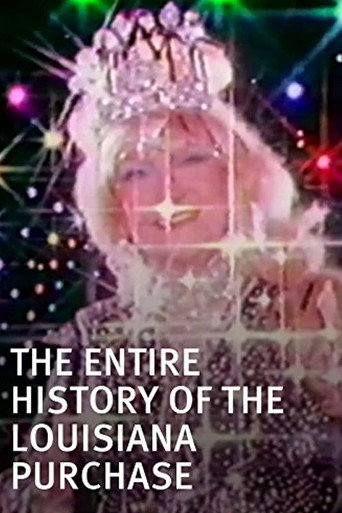
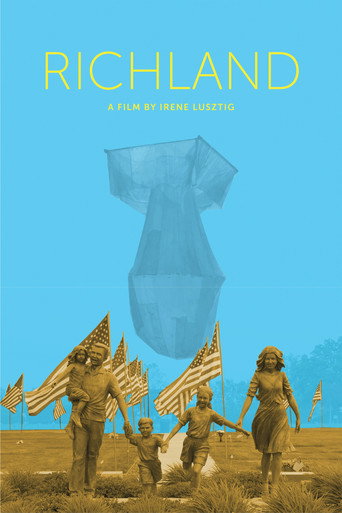
A kaleidoscopic history of the American heartland, nuclear weapons and the Native American genocide.
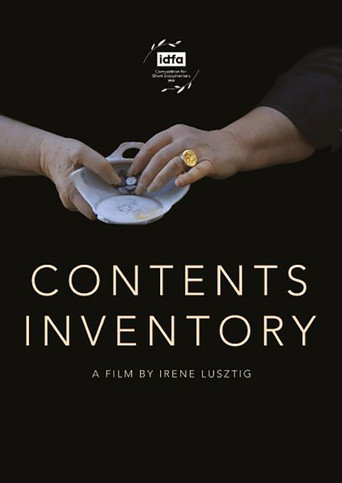
Every lamp, every cup, every gadget—insurance companies often require homeowners who have lost their homes in a fire to take an inventory of every object they owned. But of course this list can never show what is really of value and what is not. This is precisely what filmmaker Irene Lusztig asks about.
Archival montage, science fiction, and an homage to '70s feminist filmmaking are woven together to form The Motherhood Archives, a lyrical essay film excavating hidden histories of childbirth in the twentieth century.
Serene forest groves and opaque Silicon Valley windows provide the visual framework for an assumption-challenging essay film taking a critical geography approach toward a new way of seeing the costs of warmaking as they are found in the very flesh of California.
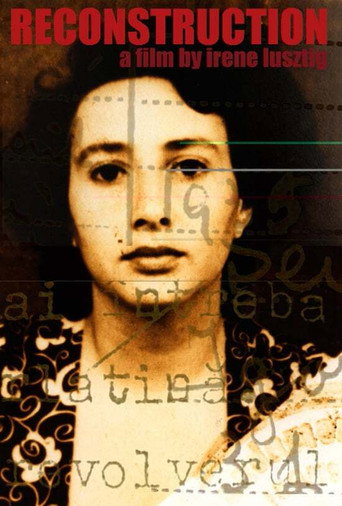
Filmmaker Irene Lusztig unearths a dark family secret in search of answers and reconciliation in her breakthrough feature documentary, "Reconstruction."
Richland is a sobering, meditative portrait of a nuclear company town that embraces its origins and divisive past, all while reflecting on its future. Filmmaker Irene Lusztig’s patient and inquisitive storytelling expertly navigates themes of security, violence, and community.
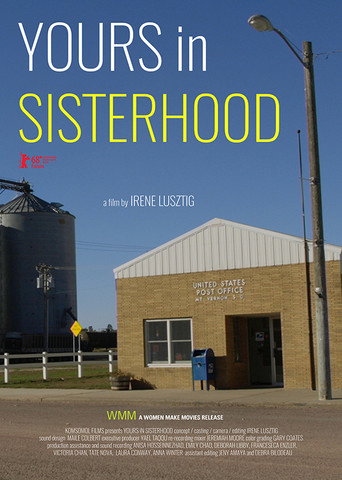
For the past two years, I have been filming people (mostly women and mostly strangers) reading letters sent to the editor of Ms. Magazine-the first mainstream feminist magazine in the US-in the 1970s, in the cities where the letters were originally written. In this short film, four women read letters about sexual violence that were sent to Ms. Magazine between 1974-1976.
What might be revealed in the process of inviting strangers to act out and respond to 1970s feminism forty years later? Between 2015 and 2017, hundreds of strangers in communities all over the US were invited to read aloud and respond to letters from the 70s sent to the editor of Ms. Magazine–the first mainstream feminist magazine in the US. The intimate, provocative, and sometimes heartbreaking conversations that emerge from these spontaneous performances make us think critically about the past, present, and future of feminism.