Camera
No biography available.
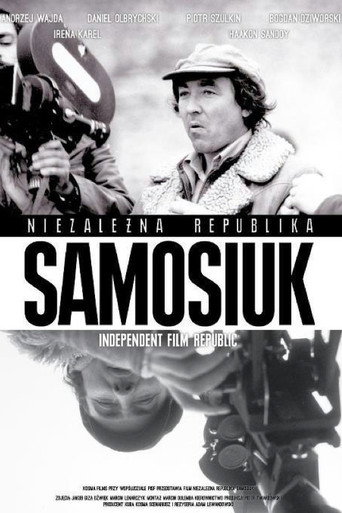
The film is a portrait of Zygmunt Samosiuk, a great forgotten cinematographer, who died in 1983. As a director of photography he worked on such films as The Birch Wood, Landscape Afterthe Battle and Austeria. He introduced, among others, hand‑held camera shots, colour lights and shooting at minimum exposure. Reminiscences of his colleagues and friends, including Andrzej Wajda and Piotr Szulkin, show a gifted artist and a modest man who valued his work above all.
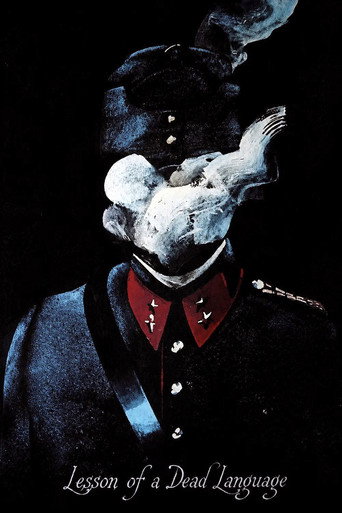
An officer stationed in a remote Ukranian outpost at the end of the First World War is dying of consumption. Suffering from feverish dreams and hallucinations, he begins to collect religious art and attends seances.
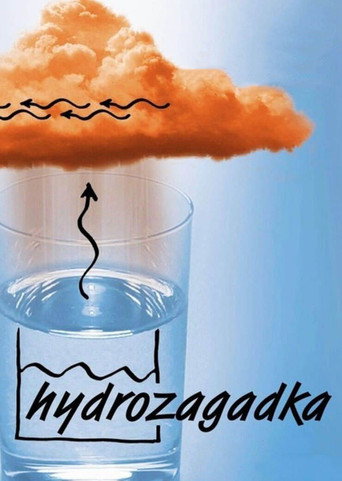
Warsaw is mysteriously running out of water during the summer heat wave. This mystery can only be solved by a Polish superhero known as As.
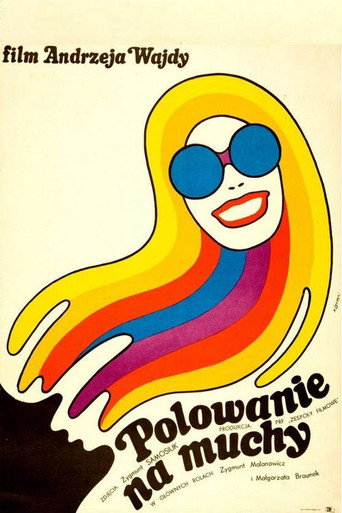
Włodek is a middle-aged man stuck in a dead-end job at the local library who lives with his harridan wife and critical in-laws in a small apartment. When Włodek draws the interest of a library patron, the beautiful young woman encourages him to strive for better things in his life and professional career. Together, the two take off for a three-day affair, but surprises could await Włodek upon his return home.
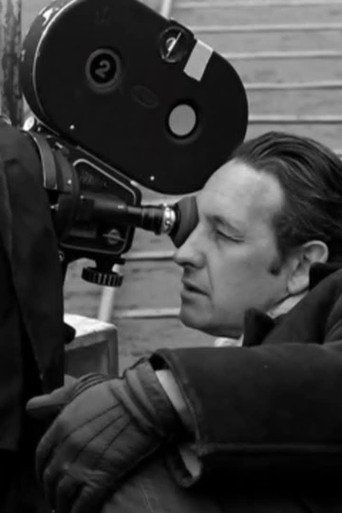
Reportage from the set of the film "Everything for Sale", focusing on the director - Andrzej Wajda. At one stage of the filming, Wajda planned to include all the documentary material shot by Ziarnik in his film. Ultimately, however, he changed the concept.
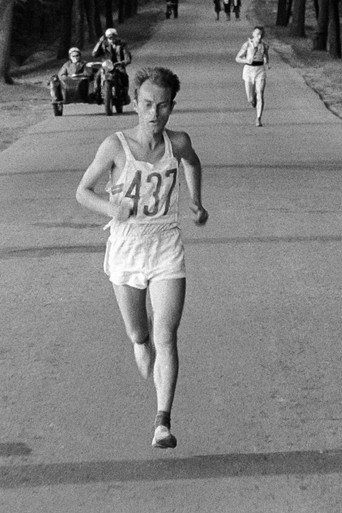
A documentary record of the effort that marathon runners make. The camera focuses on two runners: Benedict Gugala and Marian Jurczynski, who claim victory after 2 hours 37 minutes and 9 seconds.
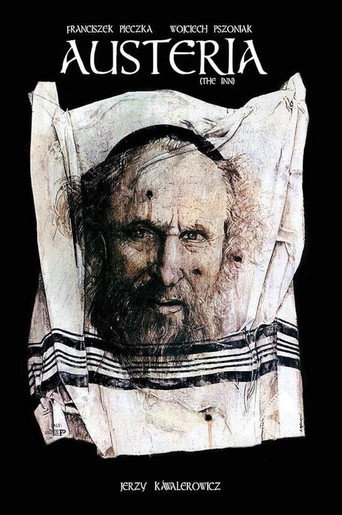
During a pogrom in Poland on the eve of World War I, a group of Jews seek refuge from the Cossacks. The fugitives hide out in a rural inn, terrified that they may be given away at any moment.
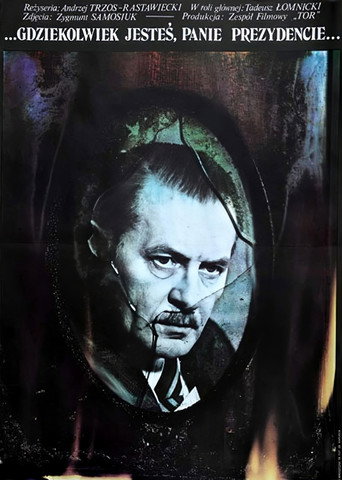
Stefan Starzyński, the mayor of Warsaw, organizes life in the capital in September 1939 and lift the inhabitants' spirits via radio announcements. After the surrender, he does not use his last chance to escape.
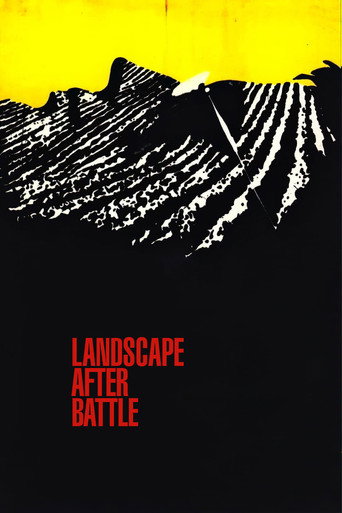
Film opens with the mad rush of haphazard freedom as the concentration camps are liberated. Men are trying to grab food, change clothes, bury their tormentors they find alive. Then they are herded into other camps as the Allies try to devise policy to control the situation. A young poet who cannot quite find himself in this new situation, meets a headstrong Jewish young girl who wants him to run off with her, to the West. He cannot cope with her growing demands for affection, while still harboring the hatred for the Germans and disdain for his fellow men who quickly revert to petty enmities.
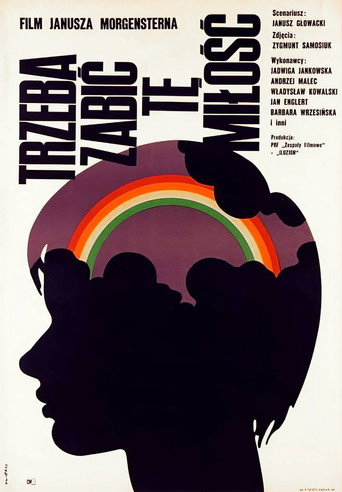
A dramatization of problems faced by a young couple in 1970's Poland - job uncertainty, conflicts with parents, living together, unfaithfulness.
Krzysztof Gradowski presents the story of Eleonora Tomczyńska from Łódź - beaten and rejected, in the end abandoned by her family and starving to death. The filmmakers skillfully combine features of a shocking intervention reportage with a documentary with a universal message.