Acting
No biography available.
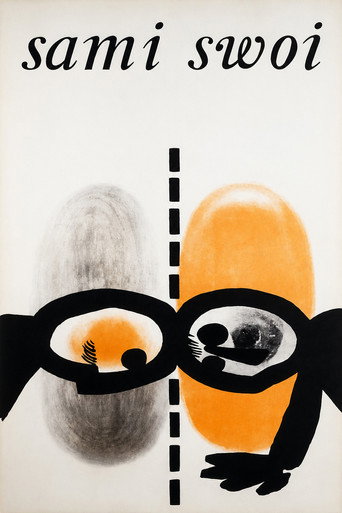
Two quarreling peasant families, who were forced to leave their lands after the war, are settled by accident on two neighboring farms.
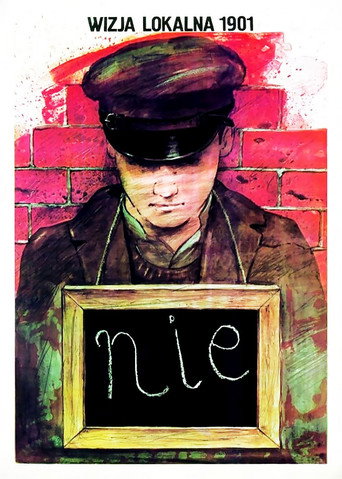
More documentary in its approach than dramatized history, this is a compelling story about a 1901 children's strike in Wrzesnia near the Polish border with Prussia. Poland was partitioned at this time, and a rigidly patriotic Prussian teacher in Wrzesnia follows the dictates of the Germans in parliament and insists that the children be taught their religion classes in German. When the children refuse to take part in the classes, they are supported by the local priest, but that does not save them from being beaten. They are also kept after school and tormented in other ways as well. Newspapers, parents, and the nation as a whole get involved, transforming a simple children's strike into a national incident.
A psychological drama about a mother and daughter. The first was once a journalist and a brave soldier, the second interrupted her studies in philosophy
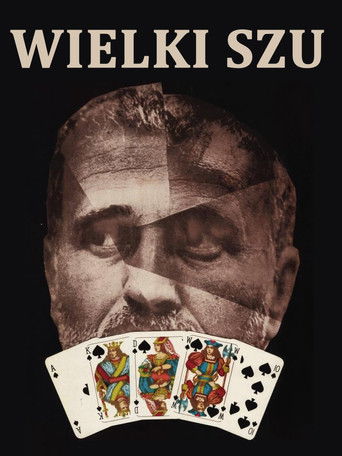
Fresh out of prison, a seasoned poker hustler finds himself teaching the trade to a young cab driver chasing his first big win.
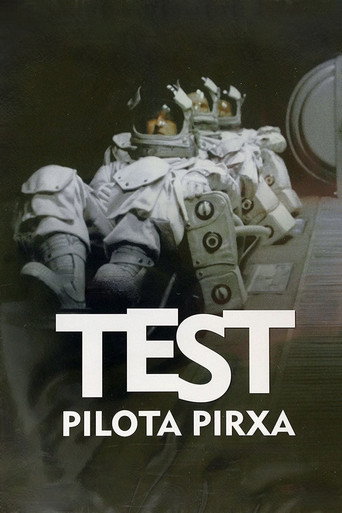
Pirx, an experienced pilot, is hired to go on a top-secret mission to evaluate some 'nonlinears' (an experimental model of android) for use as crewmembers on future space flights. Pirx and this intriguing crew are sent out to launch two satellites into the rings of Saturn, but he is determined to find out and identify a hostile unhuman coworker among them.
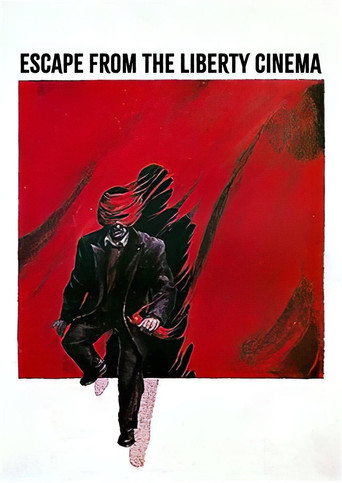
The screening of a movie "Daybreak" at the "Liberty" Cinema is interrupted by an unusual event - actors come to life on the screen, start conversations among themselves, draw the audience into them. Crowds gather around the cinema, the relevant authorities and services wonder what to do in this complicated situation. Also arriving is the censor, a man reaching his fifties, a one-time literary critic and journalist. The line between fiction and reality begins to blur.
The final stage of the great artist's life, a stage in which Witkacy decides to destroy himself. A growing sense of danger, the futility of all actions, and fear of what is to come accompany him constantly during his escape from Warsaw to the East at the outbreak of World War II. Everyday facts and events are intertwined in the film with reminiscences and images from his life, supported by the artist's inner monologue. The style of narration and the way of filming make the film a poignant study of the writer's inner disintegration. By emphasizing the painterly quality of the image and introducing dreamlike themes, Kluba captures on screen the characteristics of both Witkacy's playwriting and painting.
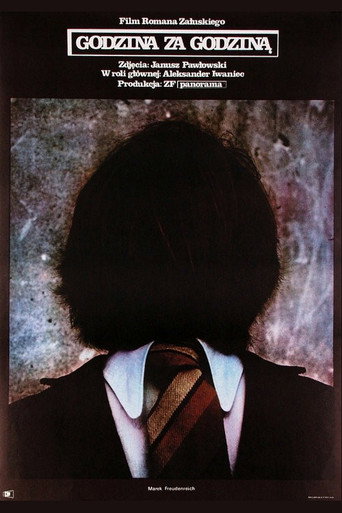
Tadeusz documents his work as a driver by writing short stories to papers.
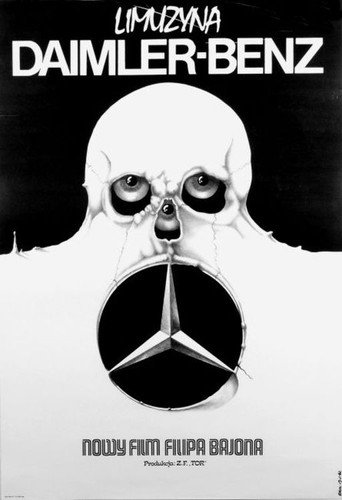
Two brothers living in 1939 Poland decide on a whim to steal the limousine of a German consul. The seemingly small act of youthful rebellion will have massive ramifications on the two, each dealing with the aftermath in their own way - one resorts to art, the other to direct political action.
The teenage siblings know that no one will give them a life more interesting than vegetating in a gloomy hole. They take matters into their own hands and organize a bank robbery, because money is their ticket to a better world. Everything was supposed to go smoothly, but then that fatal bad luck struck... Cop 1 isn't so bad: he keeps his wife in line because he loves her, he drinks because he's lost, he takes bribes because he needs money for booze. Cop 2 isn't bad either, he just supports Cop 1, who's in trouble, spiritually. Soon, the paths of the cops and thieves will cross...