Zvi Landsman Movies, TV Shows, and Filmography
Zvi Landsman
Directing
Biography
No biography available.
Filmography Movies
Production
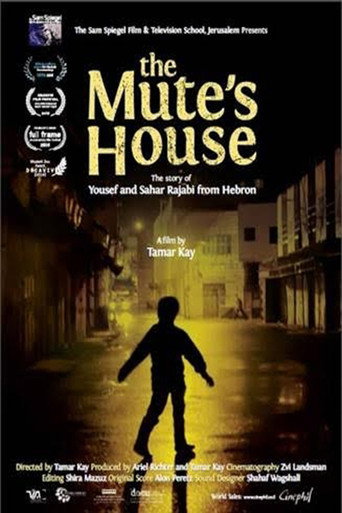
The Mute's House
A building in Israeli Hebron, which has been deserted by its Palestinian occupants, is called 'The Mute's House' by the Israeli soldiers stationed there and by the tour guides who pass by daily. The building's only occupants are a deaf woman, Sahar, and her 8-year-old son, Yousef. The family's unique story, in the midst of the Israeli-Palestinian conflict, unfolds through the eyes of the young and charismatic Yousef, as he goes through his daily routine on both sides of the torn city.
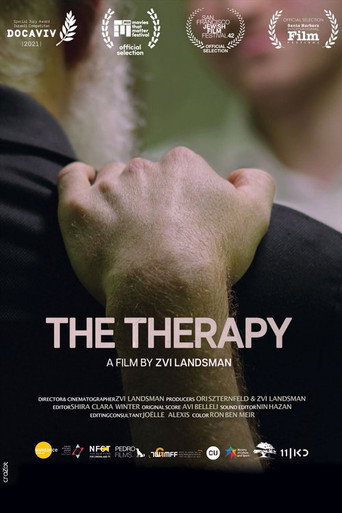
The Therapy
Lev, a 54-year-old divorced Orthodox Jew, attends conversion therapy hoping to be remarried to a woman. He attends one-on-one therapy sessions and group therapy, trying to diminish his unwanted same-sex attractions. At the same time, Ben, a 23-year-old social work student, seven years into conversion therapy, starts having doubts. In the Jewish Orthodox world, where he grew up, he was taught homosexuality is a fault that one can “cure”, but when he went to university, he was surprised to discover conversion therapy is considered harmful and dangerous. Ben sets out on a research to discover the truth about conversion therapy, and learns that the way out is harder and more winding than he thought.
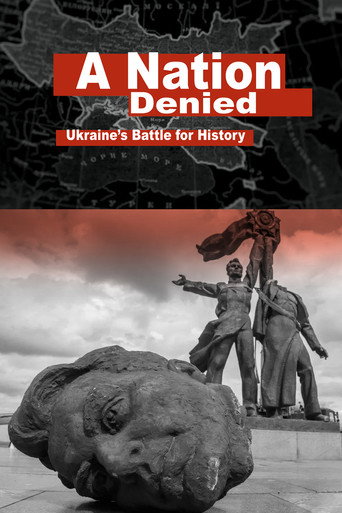
A Nation Denied: Ukraine's Battle for History
A critical and objective look back at Ukraine's tumultuous and tragic history, from its mythical founding in the 10th century to the Russian invasion in 2022.
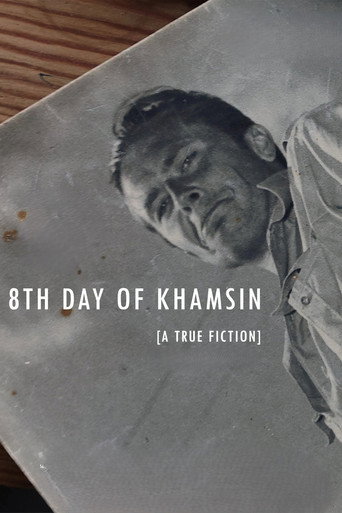
8th Day of Khamsin
Marek Hłasko, ”the Polish James Dean”, a writer and a reveler, comes to Israel in the late 1950s. This land and people become his inspiration, and at the same time a trap for him. He carefully observes immigrants who try to settle in a new place.
Jacob de Haan: A Voice Out of Time
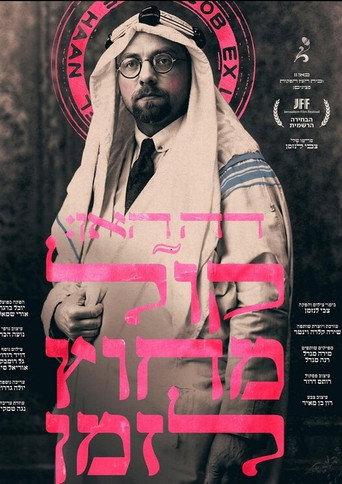
The death of Jacob Israel de Haan is commemorated annually by both the ultra-Orthodox Jews of Neturei Karta in Jerusalem, and the LGBTQ community in Amsterdam. He is a pioneer for both. In the early twentieth century, he published the first LGBTQ novel in the Netherlands. He then returned to his Jewish roots, migrated to Palestine as a Zionist, but became the spokesperson for the Orthodox community, spearheading its fight against Zionism. He was still publishing queer poetry in Dutch. He was killed in Jerusalem in 1924, and his assassins were never caught. Today, never-before-heard audio recordings shed new light upon the mystery of the first Zionist political assassination.
Jacob de Haan: A Voice Out of Time
The death of Jacob Israel de Haan is commemorated annually by both the ultra-Orthodox Jews of Neturei Karta in Jerusalem, and the LGBTQ community in Amsterdam. He is a pioneer for both. In the early twentieth century, he published the first LGBTQ novel in the Netherlands. He then returned to his Jewish roots, migrated to Palestine as a Zionist, but became the spokesperson for the Orthodox community, spearheading its fight against Zionism. He was still publishing queer poetry in Dutch. He was killed in Jerusalem in 1924, and his assassins were never caught. Today, never-before-heard audio recordings shed new light upon the mystery of the first Zionist political assassination.
Jacob de Haan: A Voice Out of Time
The death of Jacob Israel de Haan is commemorated annually by both the ultra-Orthodox Jews of Neturei Karta in Jerusalem, and the LGBTQ community in Amsterdam. He is a pioneer for both. In the early twentieth century, he published the first LGBTQ novel in the Netherlands. He then returned to his Jewish roots, migrated to Palestine as a Zionist, but became the spokesperson for the Orthodox community, spearheading its fight against Zionism. He was still publishing queer poetry in Dutch. He was killed in Jerusalem in 1924, and his assassins were never caught. Today, never-before-heard audio recordings shed new light upon the mystery of the first Zionist political assassination.
The Governor
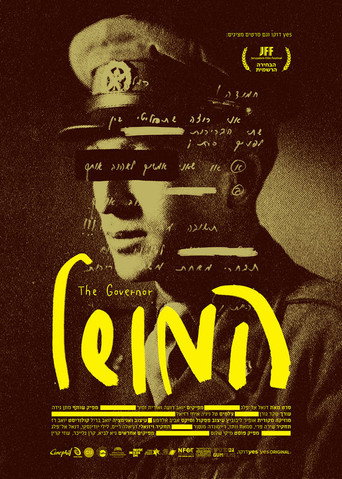
Zvi Elpeleg, the director's grandfather, was a military governor of the Arab citizens of Israel after the establishment of the State. The positive image Zvi presented slowly crumbles when the director reveals his true actions as a ruler in both his military and family life. As she uncovers a family secret, the personal and political merge, reflecting on one another. The film investigates the subject of control and draws a portrait of a country that has, and still is, constantly and obsessively, since its inception, dealing with controlling populations.
After All
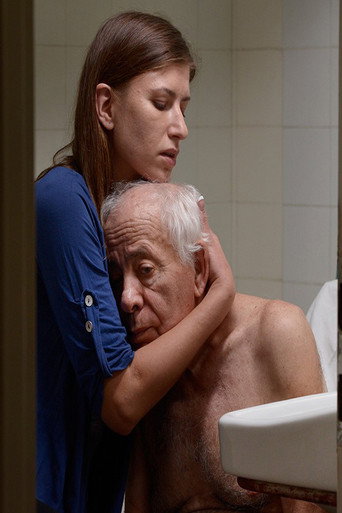
Yaakov, an elderly man, arrives at Vera's apartment, looking for a woman who will see him discreetly. Yaakov comes face to face with Vera's personal life and his passion is tempered by his conscience. As Vera begins the routine, Yaakov must decide between his morals and his need to satisfy his urge.
After All
Yaakov, an elderly man, arrives at Vera's apartment, looking for a woman who will see him discreetly. Yaakov comes face to face with Vera's personal life and his passion is tempered by his conscience. As Vera begins the routine, Yaakov must decide between his morals and his need to satisfy his urge.