Directing
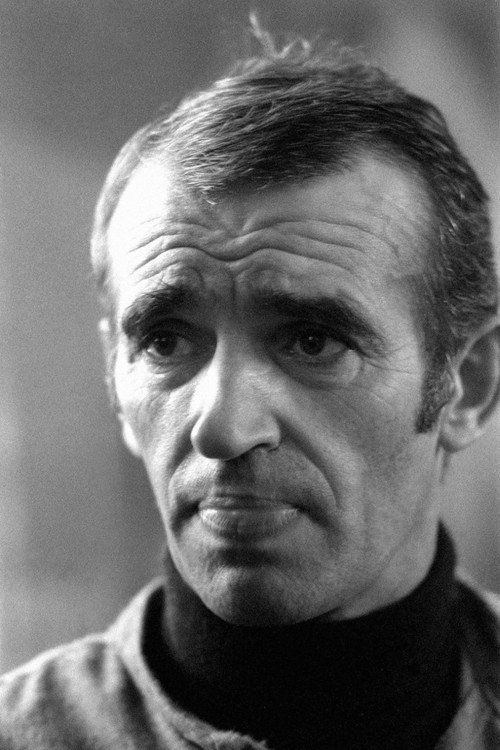
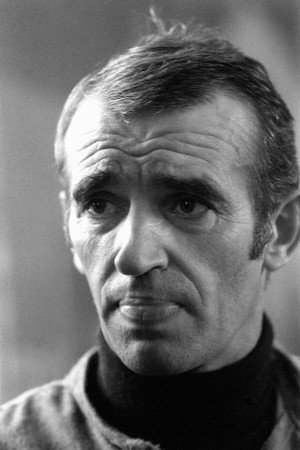
Zoltán Huszárik (born József Zoltán Huszárik, May 14, 1931 – October 15, 1981) was an influential Hungarian film director, screenwriter, visual artist and occasional actor, an acclaimed auteur of the European modern art film.
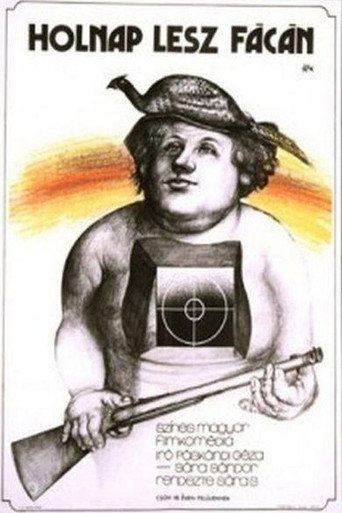
The loving couple of this grotesque parable parody of the Kádár-regime, Mária and István row to an uninhabited, idyllic island. Soon crazy tent-pitchers swarm to the island, led by an official representative of the regime.
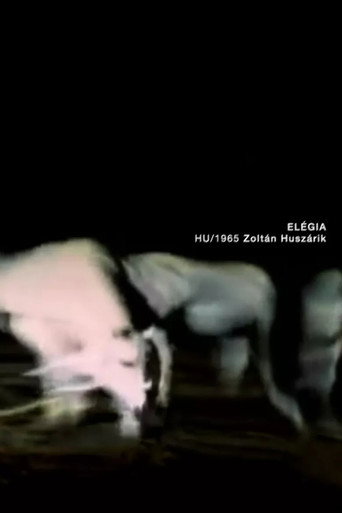
Often called a “film poem” or a “film symphonie” Huszárik’s masterpiece consists of montages of horses from the dawn of time to the modern times from cave paintings to horse races.
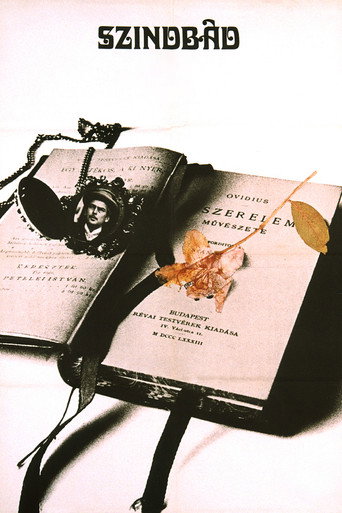
Based on the stories of Hungarian writer Gyula Krúdy, this film is a lush and sensuous depiction of the life, loves and memories of serial seducer Szindbád. As the protagonist looks back on his life, past and present, imagination and reality flow inseparably into one another.
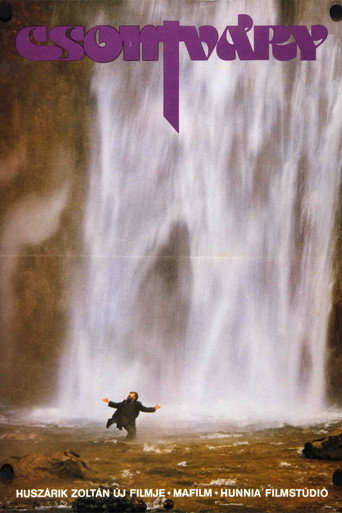
Tivadar Csontváry Kosztka the one-ideaed Hungarian painter was thought to be crazy by his peers, but he eventually became a significant artist.
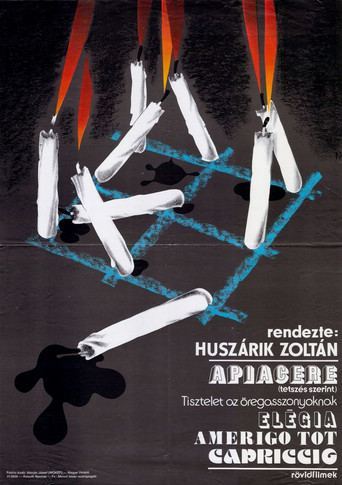
A short film on Hungarian-born artist and sculptor Amerigo Tot.
Shreds and fragments of film poetry that make its own place on the edge of a document film. The film is a college of dialogue between nature, abandoned country, and human fancy.
Huszárik's graduation film was another short entitled Groteszk (Grotesque) in 1963 about a strange train voyage of an artist carrying his own picture.
When the sun shines onto their cell, two prisoners play chess with the shadow of their bars.
A short documentary depicting the daily lives of old country widows.
The director has visited tens of cemeteries. He records monuments above mass graves and memorials that people pile above the ground where the dead bodies lie.