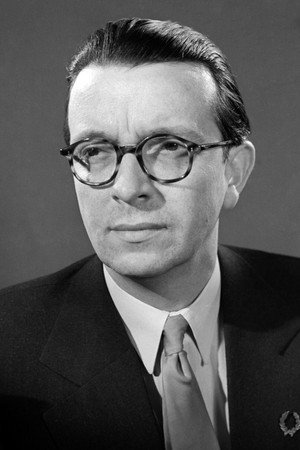
Zoltán Fábri Movies, TV Shows, and Filmography
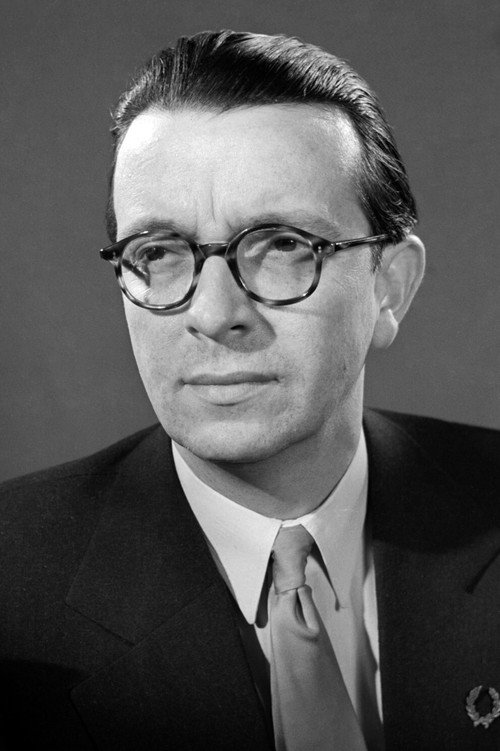
Zoltán Fábri
Directing
Biography
Zoltán Fábri (15 October 1917 – 23 August 1994) was a Hungarian film director and screenwriter. His films The Boys of Paul Street (1969) and Hungarians (1978) were nominated for the Academy Award for Best Foreign Language Film. His 1965 film Twenty Hours shared the Grand Prix with War and Peace at the 4th Moscow International Film Festival. His 1969 film The Toth Family was entered into the 7th Moscow International Film Festival. His 1975 film 141 Minutes from the Unfinished Sentence was entered into the 9th Moscow International Film Festival, where he won a Special Prize for Directing. Description above from the Wikipedia article Zoltán Fábri, licensed under CC-BY-SA, full list of contributors on Wikipedia.
Filmography Movies
Acting

The Witness
Hungary, 1950s. József Pelikán, who works as a dam keeper on the Danube, meets by chance Zoltán Dániel, an old friend whom he saved from death years before and who is now a powerful politician.

Binding Sentiments
Edit, who became the wife of a politician out of a simple peasant girl, suddenly becomes a widow as a result of an accident. She never loved her husband. She lives a wealthy and lonely life amidst false friends, facing one of the last alternatives of her life, i.e. having to face her past in the hope of an independent new beginning.
Production
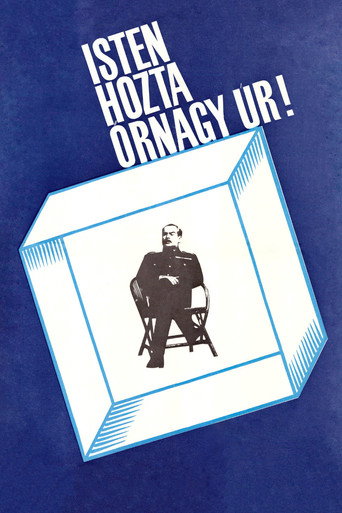
The Toth Family
The Toth family resides in Northern Hungary. The couple has a daughter and a son, the latter a member of the armed forces. When his weary major is ordered to take a vacation, the son talks him into a visit to his family home. Comedy ensues when the Toths go overboard trying to make things pleasant for the visiting major in hopes of an easier life for their son the soldier.
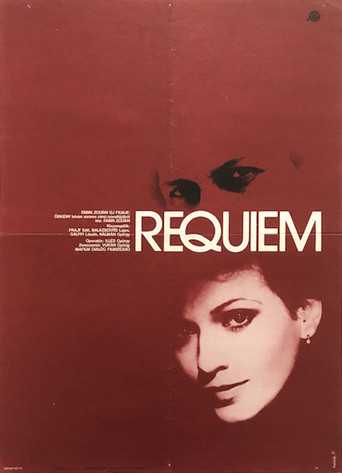
Requiem
When a young boy comes in to see a doctor abourt a red mark on his face, the doctor's wife welcomes him into the consulting room instead. As they talk, she offers him something to eat and then notes that his manner of eating is just like that of her previous husband, who died in prison many years earlier. It turns out that the young man had been his cell mate for a year, and he tells her the story of how her husband died. She then remembers (in flashbacks) how she had helped her first husband rid himself of his sexual repression, and how she had promised him she would marry her current husband if she were widowed. It seems her doctor-husband was a man who could remain untouched through any political climate, and was much admired by her first husband. Now that her memories have been awakened by the young man's account, she ignores the repeated phone calls of her current husband and decides to rid this young man of his own sexual repressions.
Requiem
When a young boy comes in to see a doctor abourt a red mark on his face, the doctor's wife welcomes him into the consulting room instead. As they talk, she offers him something to eat and then notes that his manner of eating is just like that of her previous husband, who died in prison many years earlier. It turns out that the young man had been his cell mate for a year, and he tells her the story of how her husband died. She then remembers (in flashbacks) how she had helped her first husband rid himself of his sexual repression, and how she had promised him she would marry her current husband if she were widowed. It seems her doctor-husband was a man who could remain untouched through any political climate, and was much admired by her first husband. Now that her memories have been awakened by the young man's account, she ignores the repeated phone calls of her current husband and decides to rid this young man of his own sexual repressions.
The Toth Family
The Toth family resides in Northern Hungary. The couple has a daughter and a son, the latter a member of the armed forces. When his weary major is ordered to take a vacation, the son talks him into a visit to his family home. Comedy ensues when the Toths go overboard trying to make things pleasant for the visiting major in hopes of an easier life for their son the soldier.
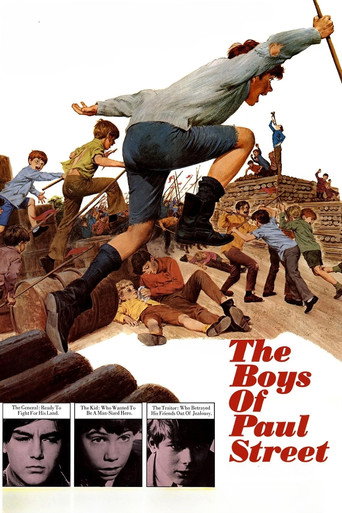
The Boys of Paul Street
In Budapest, two rival gangs of young boys lay claim to a vacant lot. The hostilities escalate yet never quite boil over into actual violence.
The Boys of Paul Street
In Budapest, two rival gangs of young boys lay claim to a vacant lot. The hostilities escalate yet never quite boil over into actual violence.
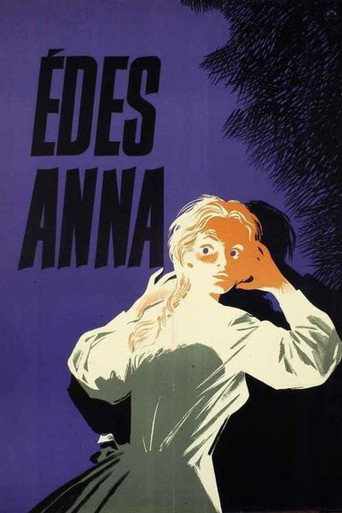
Sweet Anna
The young maid, Anna starts to work for the noble Vizy family. Mrs Vizy is proud of the hard-working servant but doesnt treat her well. Her nephew seduces Anna with sweet words, but when leaves her as soon as she gets pregnant. The humiliations of Anna finally lead to a tragic ending.
Sweet Anna
The young maid, Anna starts to work for the noble Vizy family. Mrs Vizy is proud of the hard-working servant but doesnt treat her well. Her nephew seduces Anna with sweet words, but when leaves her as soon as she gets pregnant. The humiliations of Anna finally lead to a tragic ending.
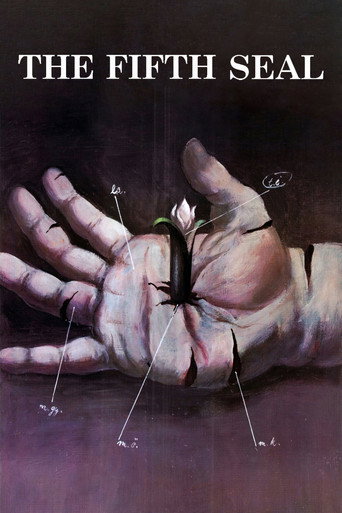
The Fifth Seal
In 1944 Budapest, one of a group of four friends poses a hypothetical moral question to the others, an act that will unexpectedly alter their lives forever.

Merry-Go-Round
In a rural scenery in the throes of difficult changes lives a humble but promising young farmer girl called Mari Pataki. Her father forbids her from seeing the man she loves. The father, above all preoccupied by work on the fields and prospective wealth, decides to give his daughter in marriage to an old but rich man with whom he does business. Land marries land, he says. This seems to be the unyielding rule of the Hungarian peasantry. But the young lover is ready to stand up to any challenge to keep Maris love.
Gallery