Crew
No biography available.
Interviews narrating "Time masters" production
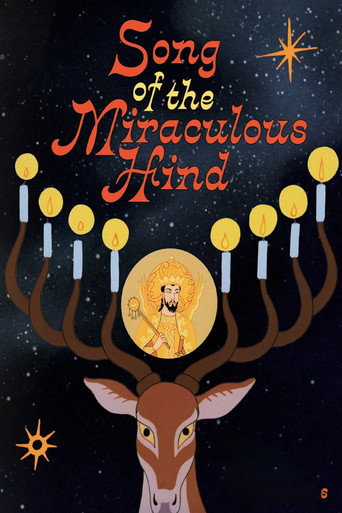
Divided into four sections, "Song" is inspired by the Siberian and Finno-Ugric legends about Creation, in which the world begins with characters who are only half-human, one being half-bird, the other half-bear. The narrator delves into the origins of Hungarian culture, the Iranian and Turkish influences that impacted the society, and finally the story of Stephen, the emperor who brought Christianity to the country and shifted the capital west in an attempt to link with Europe.
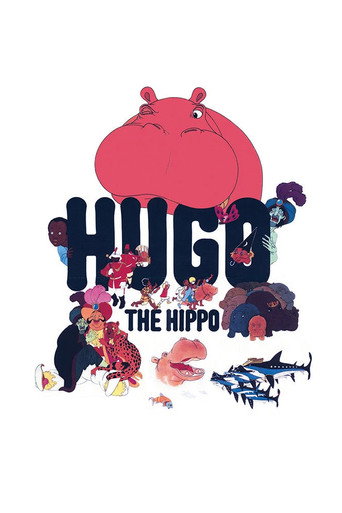
The Sultan of Zanzibar has a harbor infested with sharks, which makes it impossible for ships to trade with him. In an attempt to fix the problem, he brings twelve hippos into the harbor to keep the sharks away. His idea works well enough, but once the hippos are no longer a novelty and the people no longer feed them, they begin to starve. After the hungry hippos rampage through the city looking for food, Aban-Khan, the king's adviser, slaughters all the hippos except one, a little hippo named Hugo.
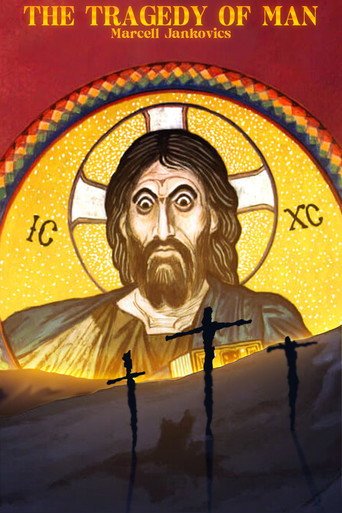
Jankovics's adaptation of the eponymous play is divided into multiple parts, and depicts the creation and fall of Man throughout history.
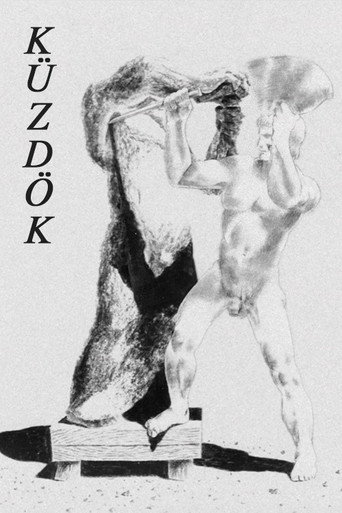
Metaphor about art, about time, or how art uses the artist's life in his quest to create his work, in which he was pouring his talent, his vigor, and the best years of his life.
Whispered to by an ancient tree, a young shepherd dreams of more than his simple existence among grass and sheep. The journey he embarks on brings him into contact with golden birds, a dragon and a fair damsel.
The encounter can never happen between a man in the past (tense) and a girl in the present (tense) in the garden of times.
Lost visions, forgotten dreams, ancient images with magic.
Well-known, unknown and forgotten faces from all over the ages are rolling by in some very short minutes.
The heroes of fairy tales and myths and fairy tale props appear in the film.