Acting
No biography available.
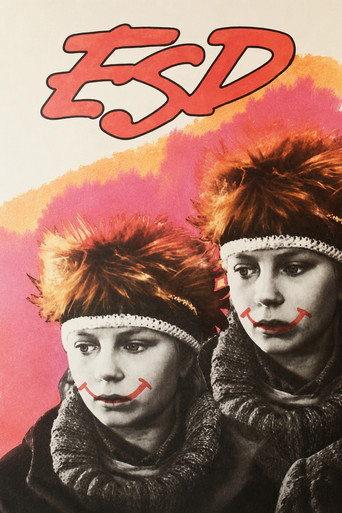
The Borejko family has four daughters — Gabriela, Ida, Natalia and Patricia. Most concern causes the red-haired Ida, whose unusual ideas often end badly, though the girl has the best intentions. Her father, who works at the university as a classical philologist, gives her the idea to found a group called ESD. They want to try out the theory that you are more successful if you send out more positive signals to the environment. Soon this theory will be put to the test. Ida's mother has to go to the hospital and the entire burden of household chores falls on the children.
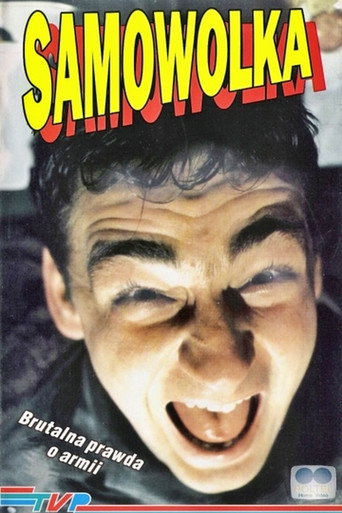
New recruits go to the army and experience nothing but humiliation, cruelty and pure sadism from older soldiers.
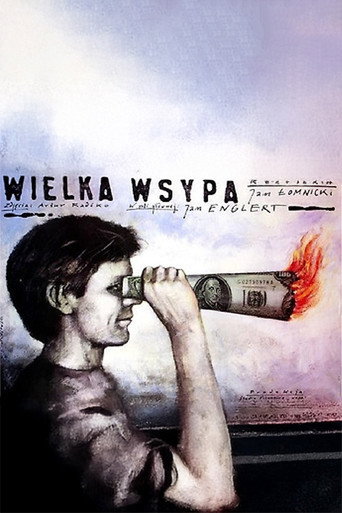
A well-known wheeler dealer joins the underground opposition to avoid responsibility after stealing valuable coins. When he is released from prison, he sets up a private bank with high interest rates together with a Security Service colonel. However, the colonel has bigger ambitions.
The year is 1989, and the country's first free elections in a long time are approaching. A man in a cycling cap organizes a chain of clean hands, using it as a tool in his election campaign. In the queue outside the passport office, people chat, make plans, and ponder what's worth selling abroad. Writers observe the world around them. One of them is applying for a passport. In Dzierżyński Square, the monument to Feliks Edmundowicz is being dismantled. Two drunk men sleep on a bench, and behind them is a sign reading: "All is well." The two writers observe the ongoing transformation of the political system.
Boris, a teenager, is arrested by the police. As part of the cooperation, he agrees to infiltrate the gang.
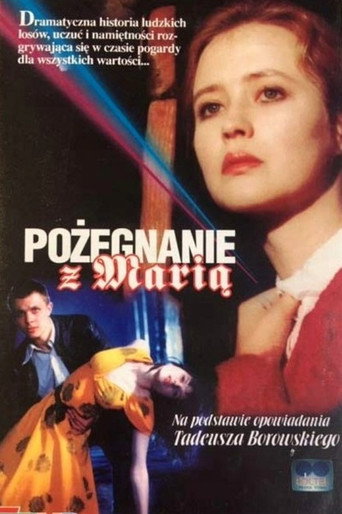
On their wedding day in occupied Poland, poet Tadeusz brings Sarah, the Jewish woman he rescued from a Gestapo officer, to the celebration, only for her captor Cieślik to crash the party and force her into an impossible choice: become his lover or betray her to the Nazis. Filip Zylber’s debut uses Tomasz Stańko’s music and expanded characterizations to breathe new poetic life into Borowski’s terse wartime tale.
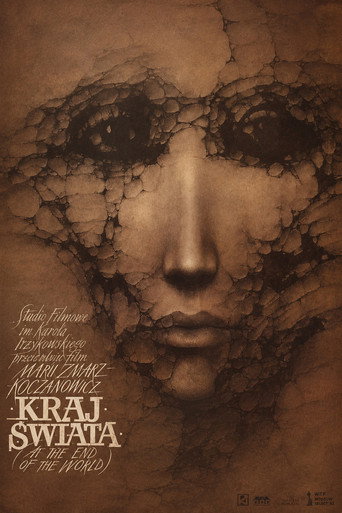
Anthropology professor Michal develops two overwhelming obsessions. The first one is a mummified, 3,000 year-old, perfectly preserved body of a shaman he and his colleagues have recently dragged out of a swamp. The second is an enigmatic student he meets by chance at a railway station.
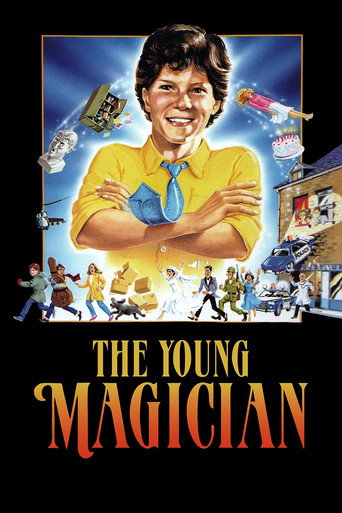
A 12-year boy feels left out by his classmates because he has no interest in athletics. He finally discovers his calling when his parents take him to a magic show. Picked by the magician to be his helper during a trick he is drawn into the world of magic and wants to learn more. He becomes proficient in tricks and also discovers his telekinetic powers. Unfortunately that further alienates him from his peers and his parents are afraid of his powers. Things change when a national emergency arises and the government asks him to help. After success he becomes a hero and is accepted by all. Written by Polish Cinema Database.
A possessive mother, furious that her pregnant daughter’s lover is unacceptable, blackmails her unsuspecting subordinate into marrying the young woman sight unseen. On the wedding day, the groom wakes up hung over beside a stranger, and must scramble to hide his secret lover before the bride, her mother, and the best man arrive.
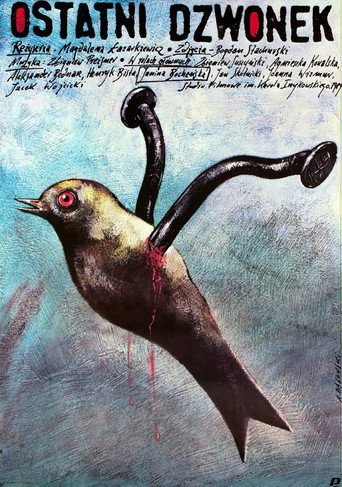
As high school students put on a politically-engaged school play, tensions begin to rise between them and their headmaster. The conflict seems to mirror the social situation in the 1980s Poland.