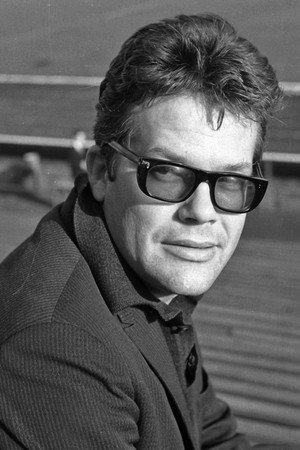
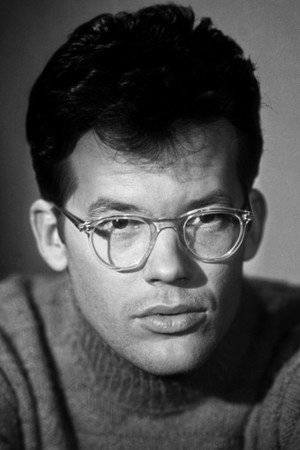
Zbigniew Cybulski Movies, TV Shows, and Filmography
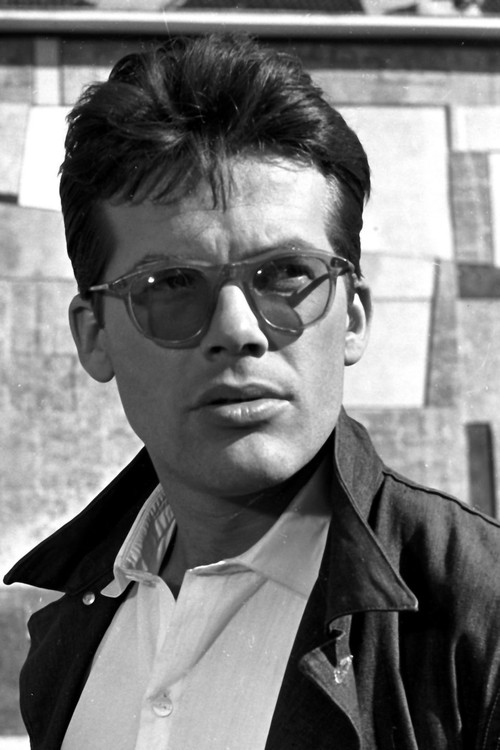
Zbigniew Cybulski
Acting
Biography
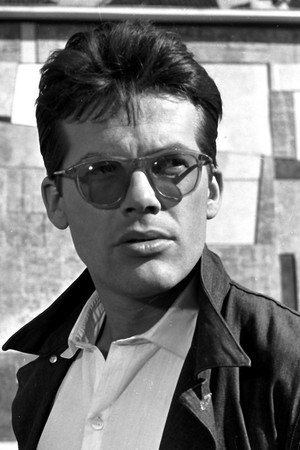
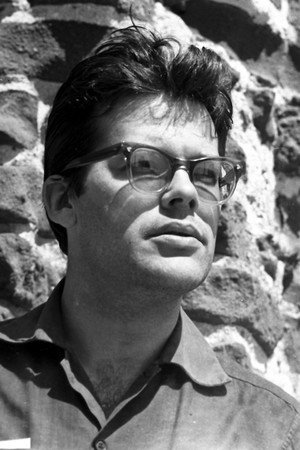
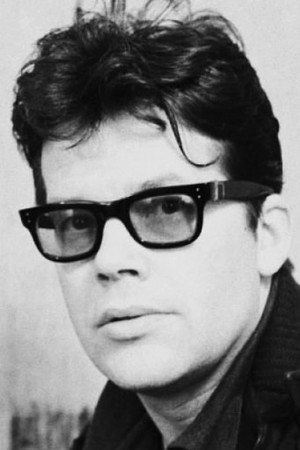
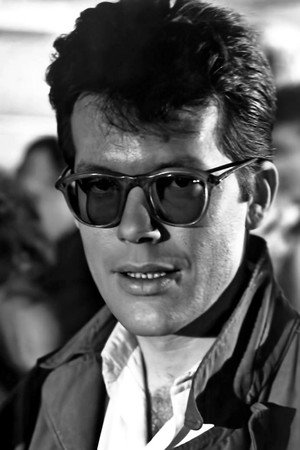
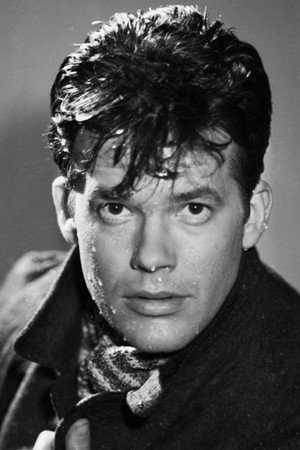
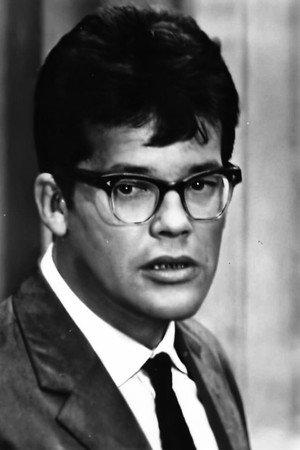
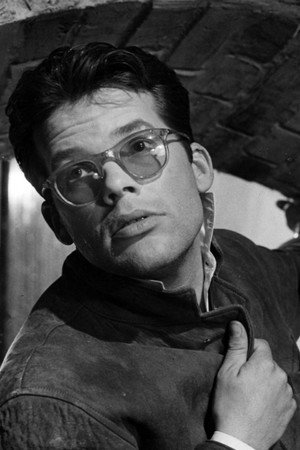
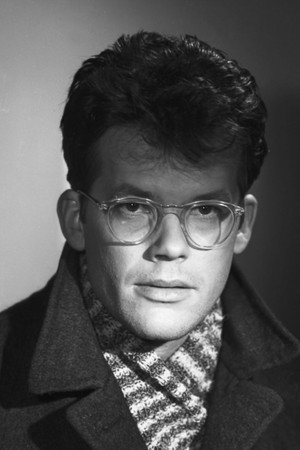
From Wikipedia, the free encyclopedia Zbigniew Cybulski Polish pronunciation: [ˈzbiɡɲɛf t͡sɨˈbulskʲi] (November 3, 1927 – January 8, 1967) was a Polish actor, one of the best-known and most popular personalities of the post-World War II history of Poland. Zbigniew Cybulski was born November 3, 1927 in a small village of Kniaże near Śniatyń, Poland (now a part of Sniatyn Raion, Ivano-Frankivsk Oblast, Ukraine). After World War II he joined the Theatre Academy in Kraków. He graduated in 1953 and moved to Gdańsk, where he made his stage debut in Leon Schiller's Wybrzeże Theatre. Also, with his friend Bogumił Kobiela, Cybulski founded a famous student theatre, the Bim-Bom. In the early 1960s, Cybulski moved to Warsaw, where he shortly joined the Kabaret Wagabunda. He also appeared on stage at the Ateneum Theatre, one of the most modern and least conservative Warsaw-based theatres of the epoch. However, Cybulski is best remembered as a screen actor. He first appeared in a 1954 film Kariera as an extra. His first major role came in 1958, when he played in Kazimierz Kutz's Krzyż Walecznych. The same year he also appeared as one of the main characters in Andrzej Wajda's Ashes and Diamonds and Aleksander Ford's The Eighth Day of the Week based on a short story by Marek Hłasko. From then on Cybulski was seen as one of the most notable actors of the Polish Film School and one of the "young and wrathful", as his generation of actors were called at the time. His most famous films, apart from Ashes and Diamonds, include Wojciech Has' The Saragossa Manuscript. He also acted in numerous television plays, including some based on works by Truman Capote, Anton Chekhov and Jerzy Andrzejewski. Cybulski died in an accident at a Wrocław Główny railway station on January 8, 1967, on his way from the film set. As he jumped on the speeding train (as he often did), he slipped on the steps, fell under the train, and was run over. Before the accident he said goodbye to Marlene Dietrich, a personal friend of his, who was a passenger on the train. He was buried in Katowice.
Filmography Movies
Acting
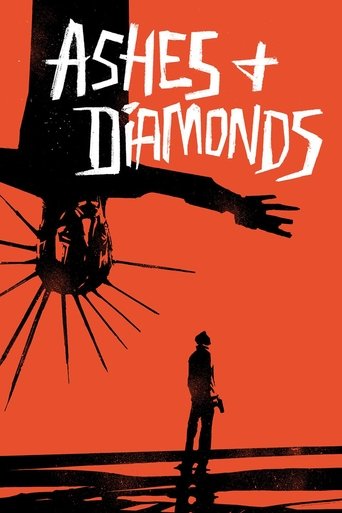
Ashes and Diamonds
A young academy soldier, Maciek Chelmicki, is ordered to shoot the secretary of the KW PPR. A coincidence causes him to kill someone else. Meeting face to face with his victim, he gets a shock. He faces the necessity of repeating the assassination. He meets Krystyna, a girl working as a barmaid in the restaurant of the "Monopol" hotel. His affection for her makes him even more aware of the senselessness of killing at the end of the war. Loyalty to the oath he took, and thus the obligation to obey the order, tips the scales.
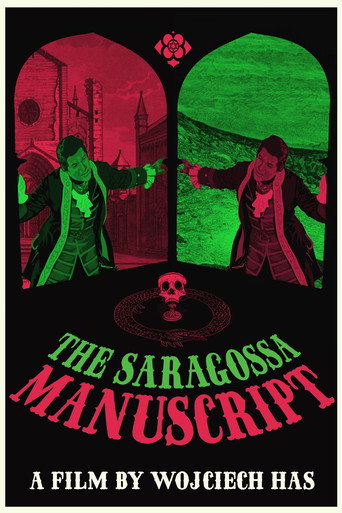
The Saragossa Manuscript
During the Napoleonic wars, a Spanish officer and an opposing officer find a book written by the former's grandfather.
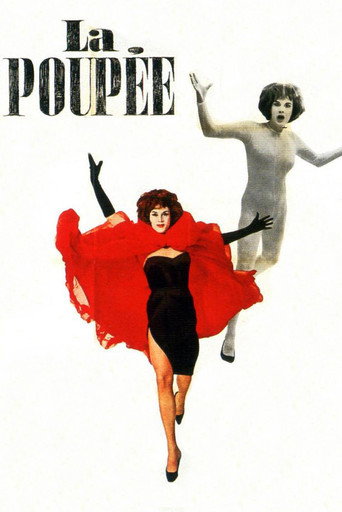
The Doll
An avant-garde political satire that takes place in a mythical country in South America. The dictator has been replaced by a look-alike revolutionary, and the dictator's wife has been replaced by a robot.
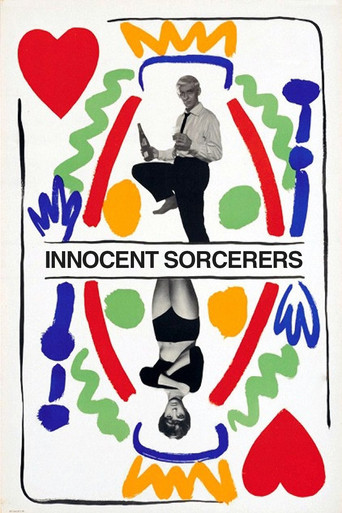
Innocent Sorcerers
A young doctor is tired of being sought by women. One night he meets a young girl who all but forces herself into his room where they talk of morals and love.
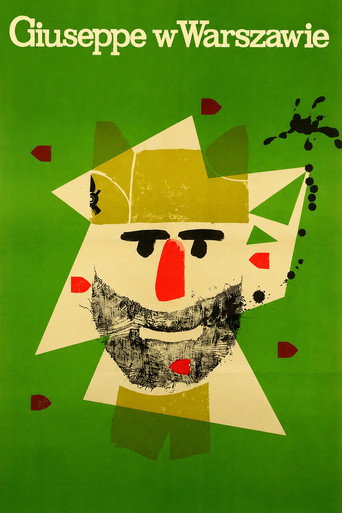
Giuseppe in Warsaw
The Italian soldier Giuseppe Santucci, on his way home from the Russian front has his machine gun stolen in Warsaw. Afraid of consequences, he stays in Warsaw and occupies a flat of the Polish girl Maria, whom he suspects of stealing weapon. Maria indeed is an active member of the Polish resistance, contrary to her brother, Staszek, a painter, who only wants a calm living. In a course of events Giuseppe falls in love and, along with Staszek, becomes a hero of the Polish resistance.
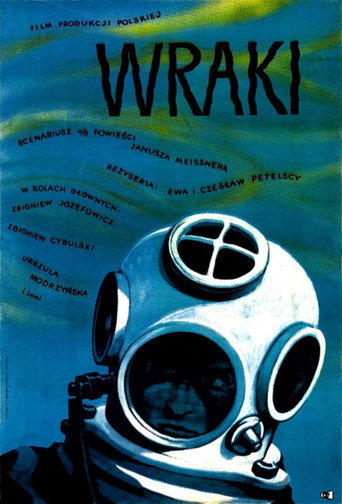
Wraki
Diver Antoni Barnat is falsely accused of causing an accident underwater that almost led to his fellow diver's death. Interestingly enough, they are both in love with the same girl, Teresa.
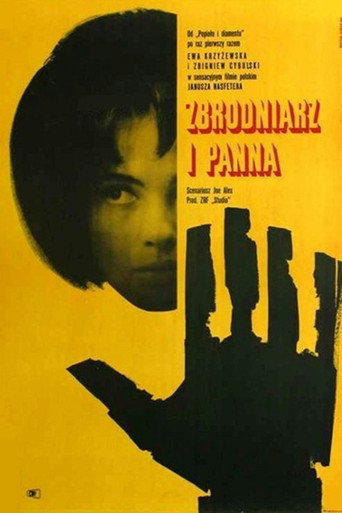
The Criminal and the Lady
Young Małgorzata leads a very boring life as a cashier. One day a robber riddles her bank car with bullets, kills the driver and two security guards and takes the money. The police finds out that the stolen banknotes are being spent at a fashionable spa resort. The only way to find the criminal is to favor Małgorzata with a seaside holiday in the company of a handsome Captain as her brother.
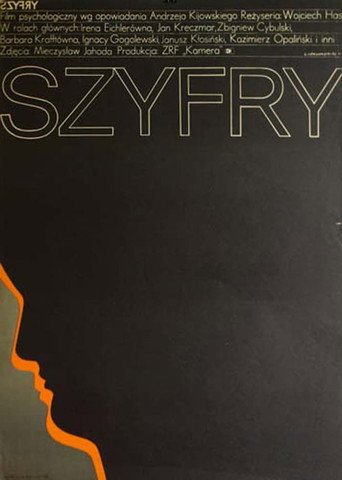
The Codes
An elderly man returns to Poland to find his long-lost son, missing since World War II. In his quest the man is forced to contemplate the elusive and coded nature of truth itself.
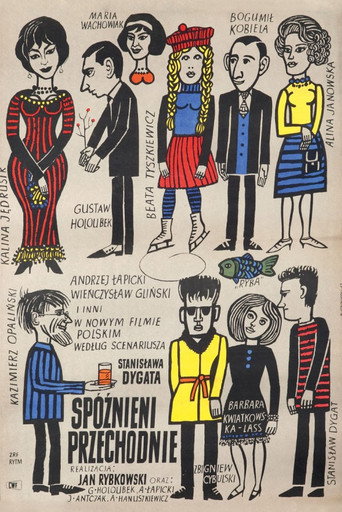
Spóźnieni przechodnie
Five short stories. (1) “Czas przybliża, czas oddala” – Edward recalls his unfulfilled love for Anna and, years later, writes to her sister Zofia, mistaking her for Anna. (2) “Krąg istnienia” – A girl falls for Wacek at an ice rink; pressured by family, she marries a soap manufacturer. (3) “Paryż 1945” – A Polish refugee soldier and an American woman share a fleeting wartime bond before she leaves at dawn. (4) “Stary profesor” – Two men seek an old professor to fulfill a dying prisoner’s last wish; Roger impersonates a former pupil. (5) “Nauczycielka” – Neglected wife Zofia accepts film tests, only to find the director seeks an ordinary woman.
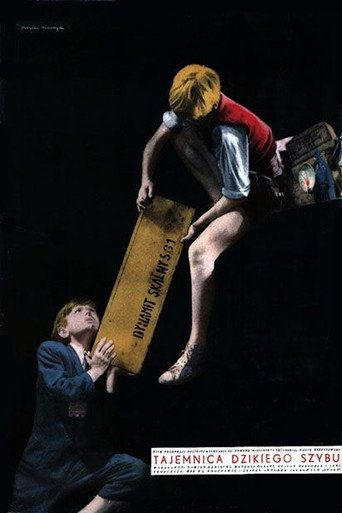
Tajemnica dzikiego szybu
Two friends think that they've discovered a dangerous spy hiding in a mine shaft.
Gallery