Zazie Ray-Trapido Movies, TV Shows, and Filmography
Zazie Ray-Trapido
Directing
Biography
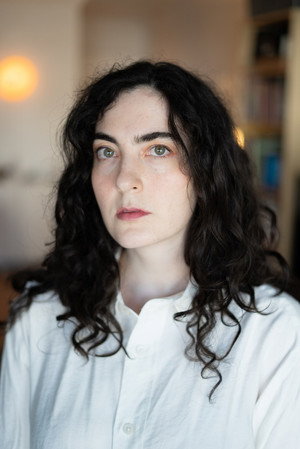
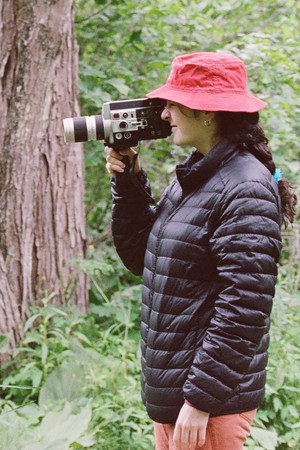
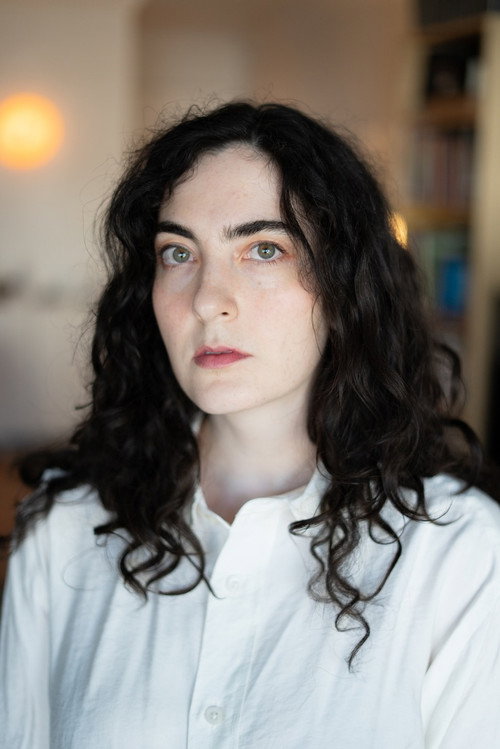
Zazie Ray-Trapido is a filmmaker and producer based in Los Angeles. Her films expand on traditional documentary and narrative formats, engaging with analog film techniques, archives, and performance. Her practice investigates relationships between memory, ideology, and the environment. Her work has been screened at festivals and venues worldwide, including the New York Film Festival, International Film Festival Rotterdam, Viennale, RIDM, Kasseler Dokfest, Glasgow Short Film Festival, Curtas Vila do Conde, Oberhausen, Kurzfilm Festival Hamburg, ICDOCS, and Maysles Documentary Center, among others. She holds a BFA from Bard College and an MFA in Film/Video from the California Institute of the Arts.
Filmography Movies
Acting
Playdate
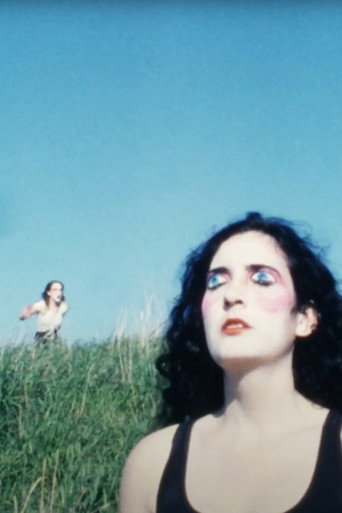
Playdate consists of surreal and performative reimaginings of the simple and naive games played throughout childhood.
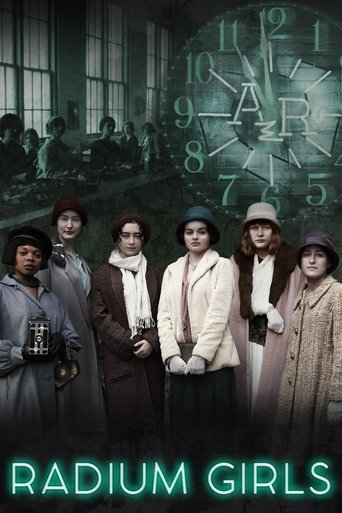
Radium Girls
Young women toiling in a factory are exposed to hazardous material which takes a disastrous toll on their health.
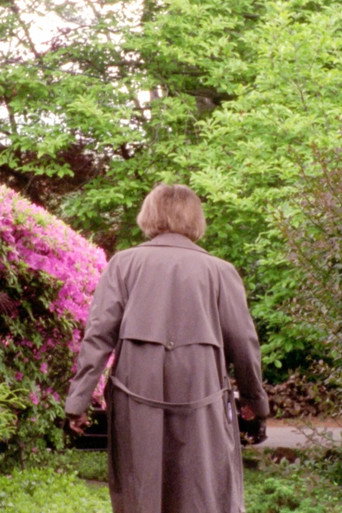
Nona
Dr. Eva Ray is 90 years old. She lives in a house by herself outside of Philadelphia. Born in former Yugoslavia, her family fled the Nazis and settled in New York. As a biochemist she worked for NASA and retired in her late 50's. She got divorced after 40 years of marriage and spent her time volunteering in local politics. After many years of independence and freedom, she now feels a deep sense of restlessness and finds herself at a significant turning point. Weaving through her memory and her present, she asks herself what she will do next in what she calls her "final chapter."
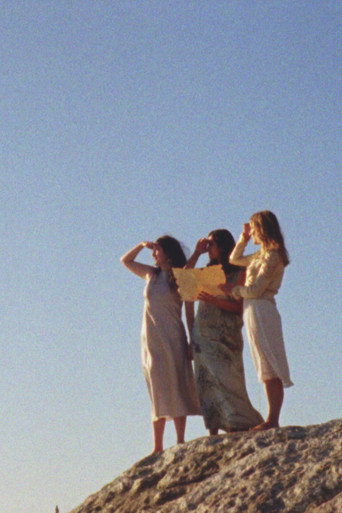
Treasure Hunt
In search of a mysterious treasure, three women embark on an adventure through magical and playful vignettes.
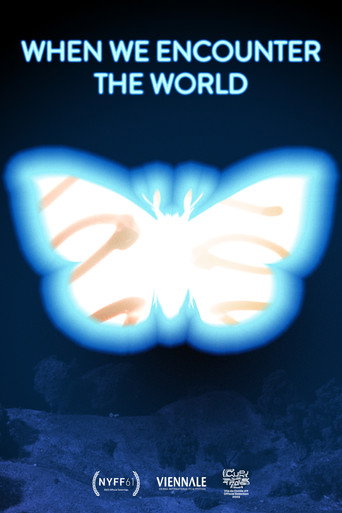
When We Encounter the World
In 1934 an experiment by an amateur-scientist couple began. Named after a genus of moths, the Automeris Project placed a group of young children in an enclosed forest, leaving them to fend for themselves. On return visits, the couple presented self-made films, accompanied by live music, depicting the outside world. For them, these images were the perfect replica of reality seen in their expeditions. Nevertheless, the films were carefully framed, edited, and manipulated to induce a transformation and provoke the development of a new society.
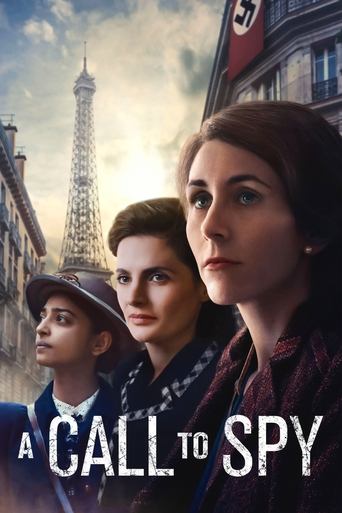
A Call to Spy
The story of Vera Atkins, a crafty spy recruiter, and two of the first women she selects for Churchill's "secret army": Virginia Hall, a daring American undaunted by a disability and Noor Inayat Khan, a pacifist. These civilian women form an unlikely sisterhood while entangled in dangerous missions to turn the tide of the war.
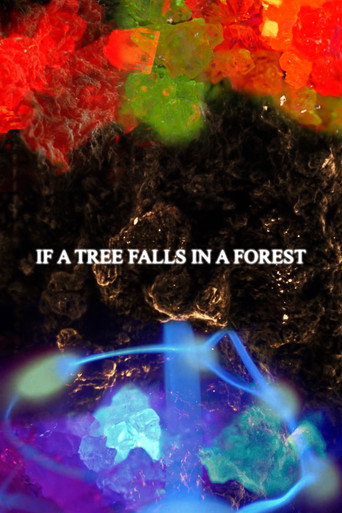
If a Tree Falls in a Forest
Set in the landscapes of Los Angeles, this hybrid documentary seeks to explore harmful cyclical occurrences that exploit natural resources and bring us closer to extinction. Following the discovery of a mysterious metal structure in the desert, this film documents the encased objects found within the structure. This film is made up of speculative recreations of the study conducted, analysis of the found objects, and surrounding landscapes.
Travelers' Suite
Forms of the universe, rocky landscapes, and a green and lush human-made city. It originates from a dream I had; it is both mine and from a traveler aboard a spaceship. The dream and traveler belong within the universe of my film Fractais Tropicais. Here, the hopeful and utopian human-centric imaginary of space travel and the future, filled with surveillance, control, and illusions, all fleeting like the images a dream can contain.
Production
Nona
Dr. Eva Ray is 90 years old. She lives in a house by herself outside of Philadelphia. Born in former Yugoslavia, her family fled the Nazis and settled in New York. As a biochemist she worked for NASA and retired in her late 50's. She got divorced after 40 years of marriage and spent her time volunteering in local politics. After many years of independence and freedom, she now feels a deep sense of restlessness and finds herself at a significant turning point. Weaving through her memory and her present, she asks herself what she will do next in what she calls her "final chapter."
Nona
Dr. Eva Ray is 90 years old. She lives in a house by herself outside of Philadelphia. Born in former Yugoslavia, her family fled the Nazis and settled in New York. As a biochemist she worked for NASA and retired in her late 50's. She got divorced after 40 years of marriage and spent her time volunteering in local politics. After many years of independence and freedom, she now feels a deep sense of restlessness and finds herself at a significant turning point. Weaving through her memory and her present, she asks herself what she will do next in what she calls her "final chapter."
Playdate
Playdate consists of surreal and performative reimaginings of the simple and naive games played throughout childhood.
Nona
Dr. Eva Ray is 90 years old. She lives in a house by herself outside of Philadelphia. Born in former Yugoslavia, her family fled the Nazis and settled in New York. As a biochemist she worked for NASA and retired in her late 50's. She got divorced after 40 years of marriage and spent her time volunteering in local politics. After many years of independence and freedom, she now feels a deep sense of restlessness and finds herself at a significant turning point. Weaving through her memory and her present, she asks herself what she will do next in what she calls her "final chapter."
Playdate
Playdate consists of surreal and performative reimaginings of the simple and naive games played throughout childhood.
Treasure Hunt
In search of a mysterious treasure, three women embark on an adventure through magical and playful vignettes.
Treasure Hunt
In search of a mysterious treasure, three women embark on an adventure through magical and playful vignettes.
A Slippage in Five Movements
A visual accompaniment to Tōru Takemitsu's sonically sparse composition 'Corona for Pianist(s)'. Taking inspiration from the graphic score that interprets notes as circles and dots, the film focuses on the micro, elemental and sensual. Light flickering on water, the patterns of landscape, the movement of hands: here time is slowed and a great sense of focus is thrust upon us.
When We Encounter the World
In 1934 an experiment by an amateur-scientist couple began. Named after a genus of moths, the Automeris Project placed a group of young children in an enclosed forest, leaving them to fend for themselves. On return visits, the couple presented self-made films, accompanied by live music, depicting the outside world. For them, these images were the perfect replica of reality seen in their expeditions. Nevertheless, the films were carefully framed, edited, and manipulated to induce a transformation and provoke the development of a new society.
Playdate
Playdate consists of surreal and performative reimaginings of the simple and naive games played throughout childhood.
Gallery