Directing
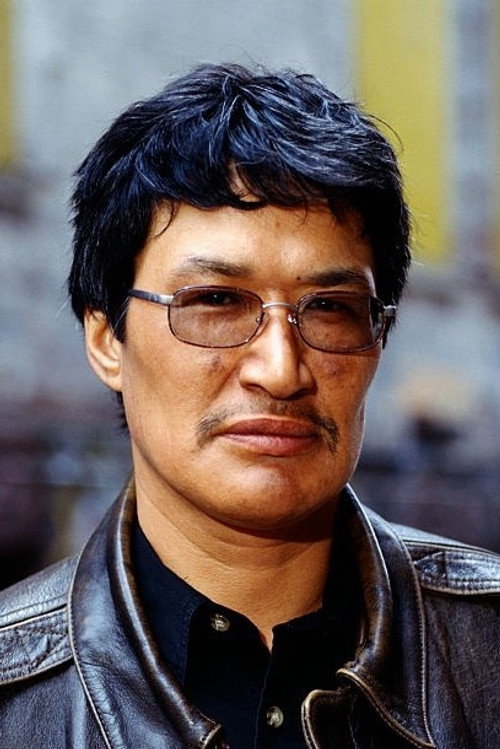
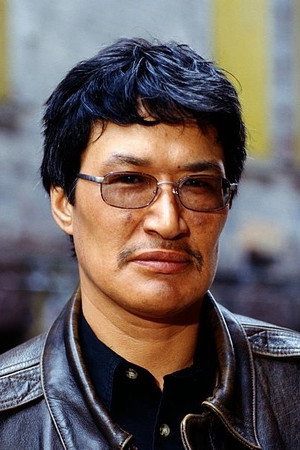
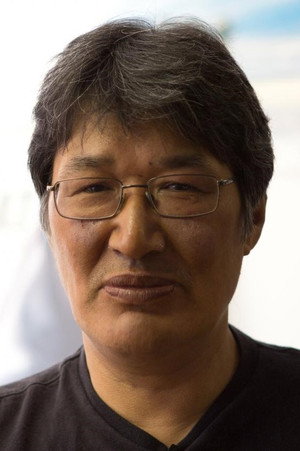
Zacharias Kunuk is a Canadian Inuk film writer, director and producer, best known for writing and directing the feature film _Atanarjuat: The Fast Runner_, the first indigenous film with all indigenous cast and entirely in Inuktitut.
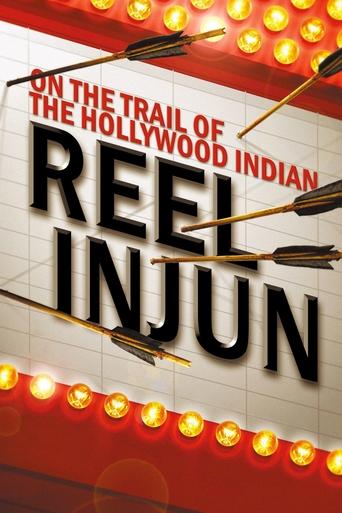
The evolution of the depiction of the various Native American peoples in cinema, from the silent era to the present day: how their image on the screen has changed the way to understand their history and culture.
In June 2003, Cannes prize-winner Zacharias Kunuk's family gathered at their traditional home camp site of Siuraajuk, to share stories and honor the ancestors who came before them: a wedding; a burial; messages from the past.
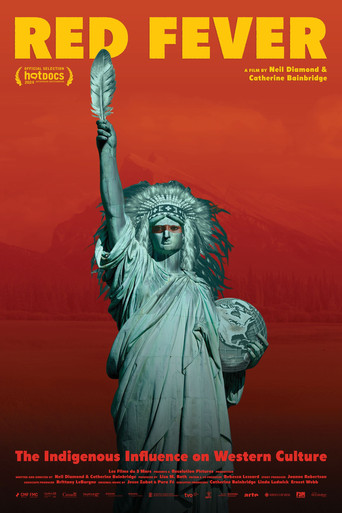
Red Fever is a witty and entertaining feature documentary about the profound -- yet hidden -- Indigenous influence on Western culture and identity. The film follows Cree co-director Neil Diamond as he asks, “Why do they love us so much?!” and sets out on a journey to find out why the world is so fascinated with the stereotypical imagery of Native people that is all over pop culture. Why have Indigenous cultures been revered, romanticized, and appropriated for so long, and to this day? Red Fever uncovers the surprising truths behind the imagery -- so buried in history that even most Native people don't know about them.
Through interviews with Inuit across Nunavut, and documentation of a three-year community hearing process during the COVID pandemic, award-winning filmmaker Zacharias Kunuk explores what meaningful consultation in the 21st century means within the context of a large-scale mining expansion on Baffin Island.
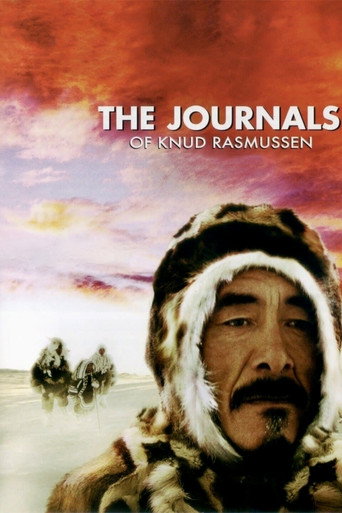
Based on the journal of Knud Rasmussen's "Great Sled Journey" of 1922 across arctic Canada. The film is shot from the perspective of the Inuit, showing their traditional beliefs and lifestyle. It tells the story of the last great Inuit shaman and his beautiful and headstrong daughter; the shaman must decide whether to accept the Christian religion that is converting the Inuit across Greenland.
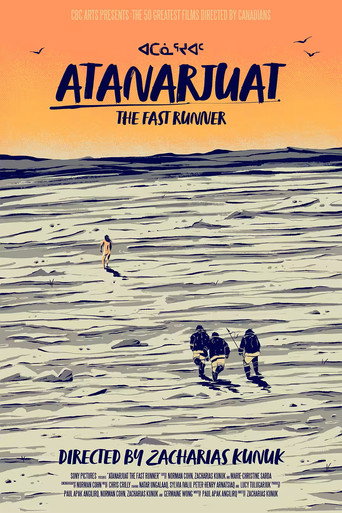
Based on a local legend and set in an unknown era, it deals with universal themes of love, possessiveness, family, jealousy and power. Beautifully shot, and acted by Inuit people, it portrays a time when people fought duels by taking turns to punch each other until one was unconscious, made love on the way to the caribou hunt, ate walrus meat and lit their igloos with seal-oil lamps.
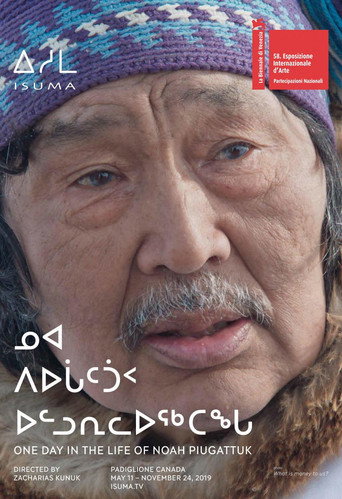
1961. In Kapuivik, an Inuit man named Noah Piugattuk and his compatriots are visited by a white man who says they have to move to a reservation.
In 1991, Igloolik Isuma Productions gathered 13 Igloolik elders for a week of discussion, to choose and then record 24 traditional ajaja songs considered most important to preserve for the future: where did the songs come from, how where they made and how have they been passed down generation to generation? Each elder remembers their own family's ajaja songs and explains how they were created by poets taking their words from their life experiences. The video, translated and subtitled for the first time, includes priceless footage of these elders singing and drumming the songs, and their playfully combative and humorous interactions are a joy to watch. The process also allowed Isuma to publish a full CD of the selected songs and to use and preserve many of them in Isuma's films over the next 25 years.
In 1985, Zacharias Kunuk broke the race barrier at Canada Council for the Arts when his Inuktitut-language video, From Inuk Point of View, was the first work by an Inuit or Aboriginal artist deemed eligible to apply for a professional artist's grant. Kunuk was the video's director and producer; Norman Cohn cameraman; Paul Apak Angilirq editor; and elder Pauloosie Qulitalik as narrator. By 1990, the four partners had formed Igloolik Isuma Productions Inc. to produce independent video art from an Inuit point of view. The video also features footage shot by Zacharias Kunuk, Paul Apak Angilirq and Simon Quassa, along with narration from three other well-respected Igloolik elders.
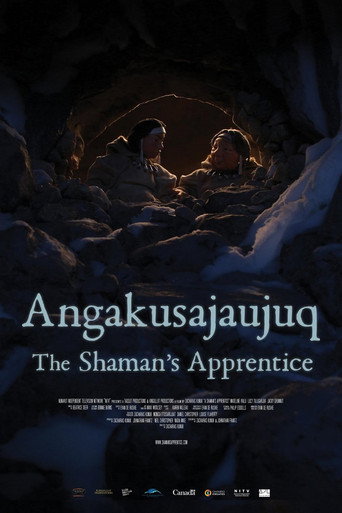
A young shaman must face her first test: a trip underground to visit Kannaaluk, The One Below, who holds the answers to why a community member has become ill.