Sound
No biography available.
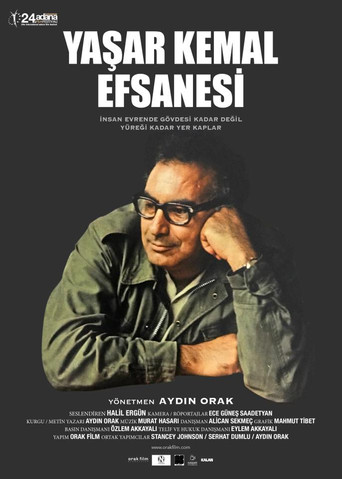
The legend of Yaşar Kemal, the Homer of Turkey, in Başrol
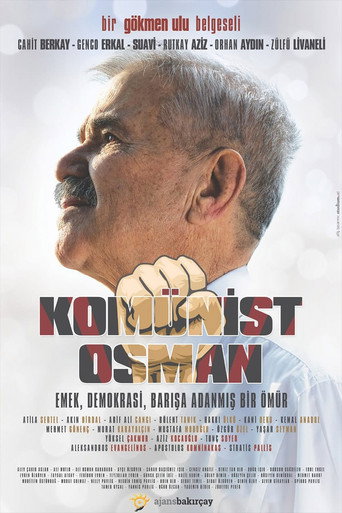
This documentary, which carries the spirit of humanism, is the story of those who did not submit to reaction and fascism, who struggled for democracy and human rights by seeking a way out of darkness into light. The main character of the documentary is Osman Özgüven, but it is not a biography, but a documentary of ideas. It tells what he and his comrades did in the name of fundamental rights and freedoms at the cost of paying a heavy price, how they popularised their populist policies, their concrete achievements, their adventures, how they overcame the obstacles they encountered and why they could not overcome some obstacles. These stories will shed light not only on a period but also on the future with their messages, and many of the practices they have realised are of a quality that can be a universal model. This is your story.
The life of legendary writer Yaşar Kemal is depicted through his words and those of close friends. Using unpublished footage, audio, and documents, the film portrays his epic journey, literature, and worldview.
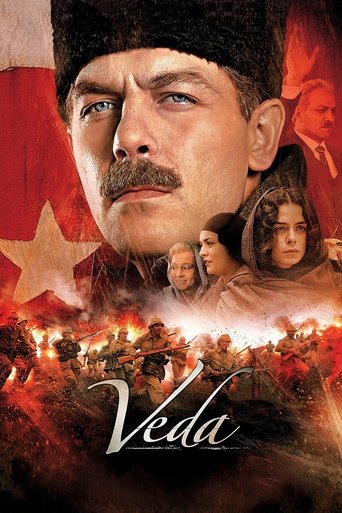
A friendship started in childhood in Thessaloniki firstly turned into being comrade in arms and then a half-century brotherhood and fraternity following the same ideals until the death upon proclamation of the Republic; Ataturk & Salih Bozok Veda Ataturk (The Farewell Ataturk) is the story of a brotherhood, portrayal of milestones in Ataturk's life and the story of a commander commanding a generation that challenged the death to save the homeland.
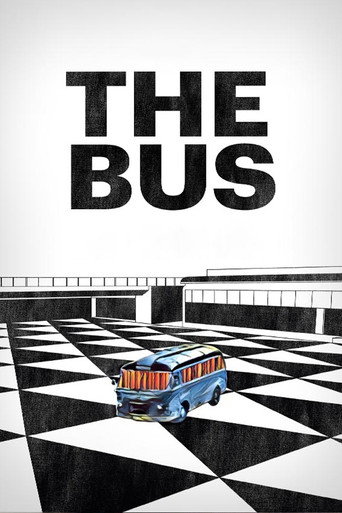
A group of illegal immigrants are brought to Stockholm in a bus by a smuggler who takes all their money and passports, and then runs away.
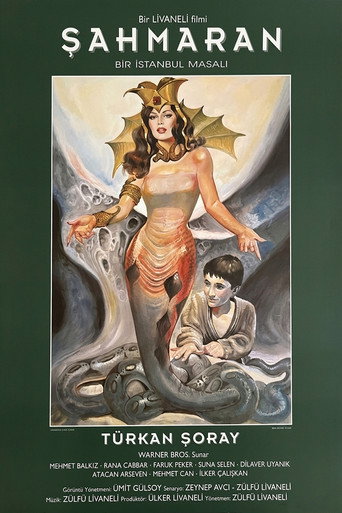
Yusuf leads a poor but peaceful life with his grandfather running coffee on the Golden Horn. Dedesin told him that the sultan’s sultan was influenced by the story of Şahmaran. Dusesi is also the old treasure hunter, Yusuf’s dream world has developed quite a bit.
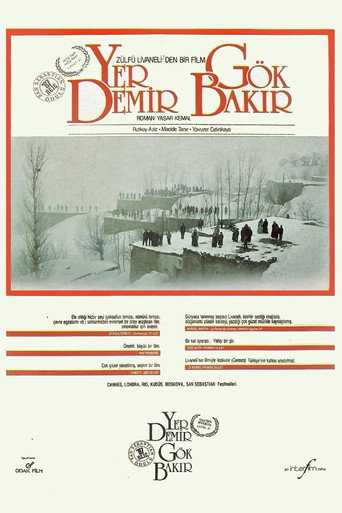
In this deeply symbolic and visually lush film, as far as Tashbash is concerned, he's just a malcontent, a fairly ordinary hell-raiser who has gotten into trouble with the law in the past. Sure, he hates the village headman who is a toady to the region's oppressive landlord, and he dislikes the fact that everyone looks to the headman for help because they have no place else to turn, but he's just an ordinary guy and has no solutions for his fellow villagers. However, after one of them has a vision in which Tashbash is shown to be a manifestation of one of their more important local saints, the villagers unite as one in seeking him out for help with the upcoming visit of the landlord to collect rents which they can't pay. Their adulation and reverence is so persistent that eventually even Tashbash becomes a believer.
Two Turkish brothers find themselves on opposite sides of the political fence. When one of the brothers is murdered, the boys' father suspects that his surviving son was instrumental in the killing. Celebrated film director Elia Kazan returns to his acting roots in a key supporting role.
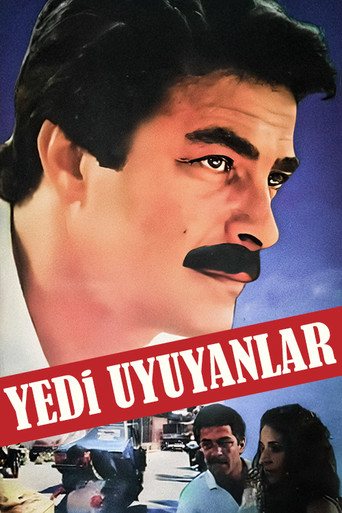
When five Kurdish prisoners are granted one week's home leave, they find to their dismay that they face continued oppression outside of prison from their families, the culture, and the government.