Yury Saulsky Movies, TV Shows, and Filmography
Yury Saulsky
Sound
Biography
No biography available.
Filmography Movies
Acting
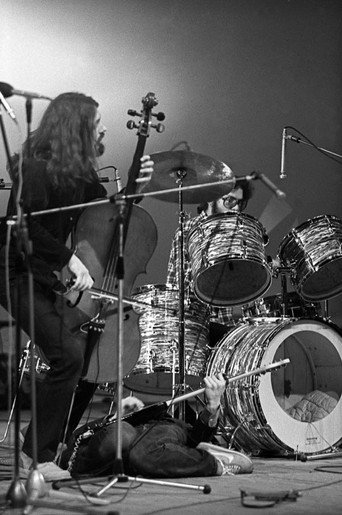
Soviet Rock
Documentary for Finnish television about Spring Rhythms ("Весенние ритмы") — one of the first official rock festivals in USSR. It took place in Tbilisi, from 8 to 16 March of 1980. The festival was organised by famous music journalist Artemiy Troitskiy with the cooperation of Georgian government. The "Аквариум" band was taken off scene because of their provocative conduct. In 1981 the official tracklist album was released.

Carnival Night
It is the New Year's Eve and the employees of an Economics Institute are ready with their annual New Year's entertainment program. It includes a lot of dancing and singing, jazz band performance and even magic tricks. Suddenly, an announcement is made that a new director has been elected and that he is arriving shortly. Comrade Ogurtsov arrives in time to review and disapprove of the scheduled entertainment. To him, holiday fun has a different meaning. He imagines speakers reading annual reports to show the Institute's progress over the year, and, perhaps, a bit of serious music, something from the Classics, played by the Veterans' Orchestra. Obviously, no one wants to change the program a few hours before the show, much less to replace it with something so boring! Now everyone has to team up in order to prevent Ogurtsov from getting to the stage. As some of them trap Ogurtsov one way or another, others perform their scheduled pieces and celebrate New Year's Eve.
Production
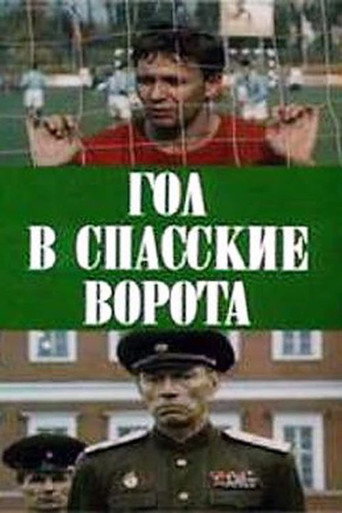
Goal at Spasskie Gate
1952 Olympic Games. A football match between the USSR national team and the SFRY attracts the close attention of the political leaders of these countries who had quarreled by that time... As soon as the football team lost this match, the CSKA team, the “team of lieutenants”, which was popular in the post-war years, began to have troubles.
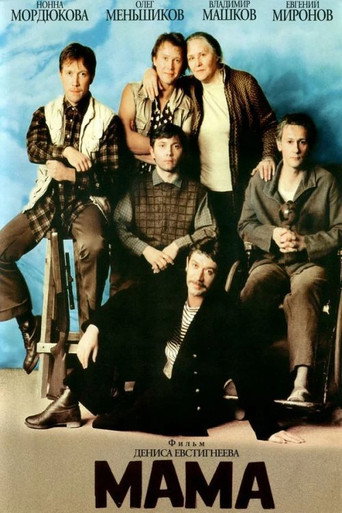
Mommy
After Polina, a mother of six, loses her husband, who went to jail for stealing charcoal and was killed when he tried to escape, she stays behind without any support. To be able to survive, Polina and her family start a folk group. But soon she understands that her children deserve a better fate, and she takes the desperate decision to steal a plane and go abroad... Fifteen years later, Polina is released from prison and finds out that fate has scattered her children all over the country: one is in the army, another is a miner in the Donbass, and the oldest, Lyonchik, who used to be in a mental institution, now pretends to be insane. Polina gathers all of her sons to free their older brother from the psychiatric hospital...
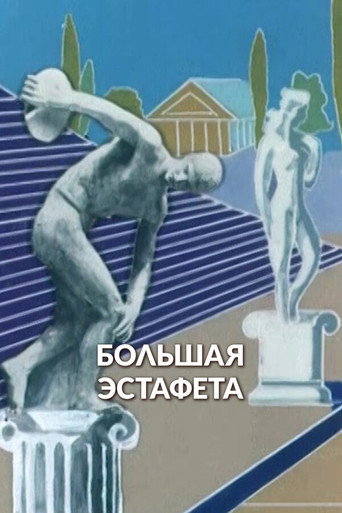
Big Relay Race
In ancient times, many centuries before our era, the Greeks fought so often and shed blood that even the formidable Zeus could not stand it and suggested taking a break every four years. For this, sports competitions were invented, during which it was strictly forbidden to fight with each other. The competition was named the Olympic Games, and since then the tradition has been passed down from generation to generation.

The Song of First Love
Very popular Soviet Armenian musical about a talented singer, spoiled by his success.
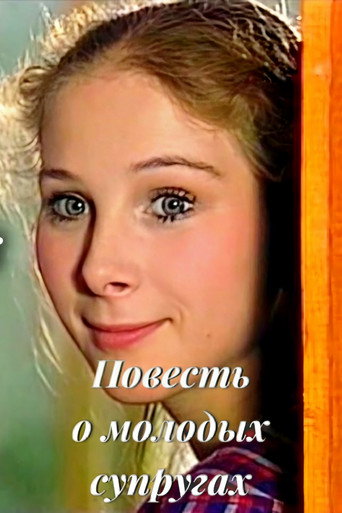
The Tale of Young Spouses
A play about newlyweds and their friends, and how important it is not to lose old feelings in everyday life.
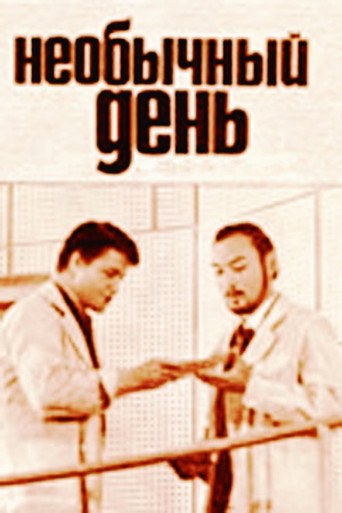
A Special Day
The clash of two styles of approaches to people, science, and business is the main conflict of the film. Both central characters - the head of the Altai complex space station and the experiment leader Andrei - are people devoted to science. But Altai is an emotional person, he manages to take care of people, forgive them their small shortcomings and mistakes. Andrey is dry, sometimes even rude to his employees. His absorption in work sometimes borders on selfishness. This gives rise to a clash with Touma, a gifted physicist, but a man of a different plane.
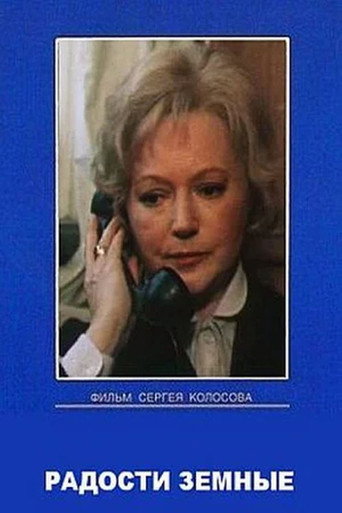
Earthly Joys
The young soldier Vasily Lemekhov has returned from the hospital and met a young woman Natasha in Chisinau.
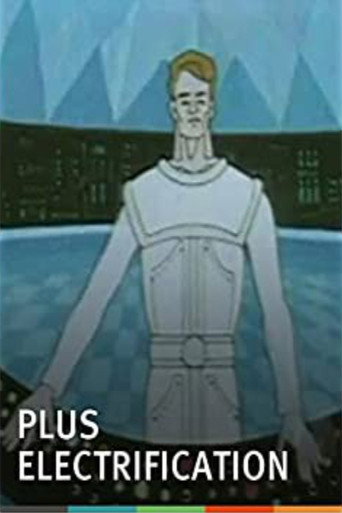
Plus Electrification
Plus Electrification, 1972, directed by Ivan Aksenchuk. Soyuzmultfilm. Executed with Disney-like animation by one of Soyuzmultfilm's leading directors of films for children. "Plus Electrification" triumphs the USSR's drive to bring electricity to every town and village. It was a tenet of Vladimir Lenin that electrification plus Soviet power [vlast] would lead to Communism. Electricity is shown dramatically uniting the economies of USSR and the Eastern bloc countries through production of consumer goods like Czech crystal and Hungarian buses.
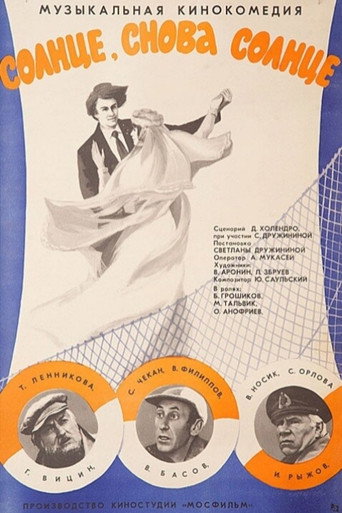
The Sun, the Sun Again
A young fisherman Sashka Taranets lives in a fishing village on the shore of the Sea of Azov. He loves Tonya, and for her sake he goes to the trick in the competition for the title of the best fisherman. But Tonya loves him and knows that Sasha will regret his deception.

For the Second Time in Crimea
The main character of the film is a veteran of the Armed Forces of the USSR, the general who remained in the ranks, who once traveled from Khalkhin-Gol to Berlin, has the largest awards. A strong and reliable person who has lost his son in a war treats everyone with whom fate brings him with sympathy and understanding. One day he comes to Crimea - to those places where he used to be happy in his youth, to see the house where his family lived. There he meets an elderly woman and her two grandchildren. One of the boys, Nikolay, reminded him of his own son. The friendship begins between an adult and a child, so necessary for each of them.
Gallery