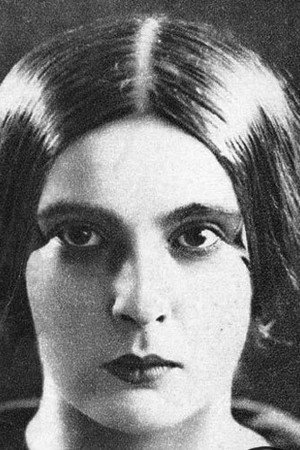
Yuliya Solntseva Movies, TV Shows, and Filmography
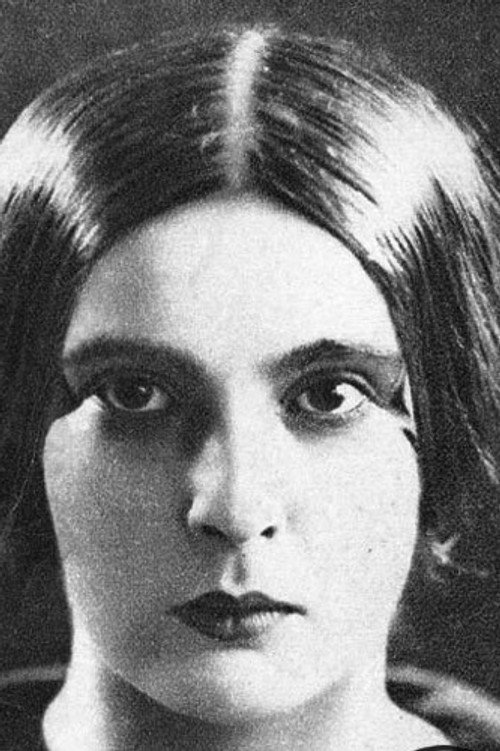
Yuliya Solntseva
Directing
Biography
Yuliya Solntseva is a Soviet director and actress, known for The Enchanted Desna (1964), Chronicle of Flaming Years (1961), Aelita: Queen of Mars (1924) and Poem of the Sea (1958). She is the first woman to win Best Director at the Cannes Film Festival for Chronicle of Flaming Years (1961).
Filmography Movies
Acting
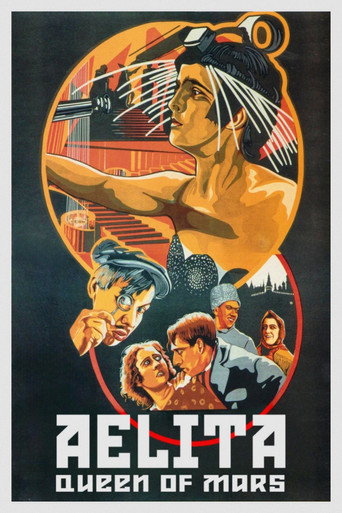
Aelita: Queen of Mars
A young man travels to Mars in a rocket ship, where he leads a popular uprising against the ruling group with the support of Queen Aelita, who has fallen in love with him after watching him through a telescope.

Earth
The film tells about the creation of the first collective farm communes and class enmity. Vasyl, a member of the Komsomol, with the help of a local party organization, gets a tractor and plows private boundaries "on kulak fields." However, this enthusiasm will cost him dearly.
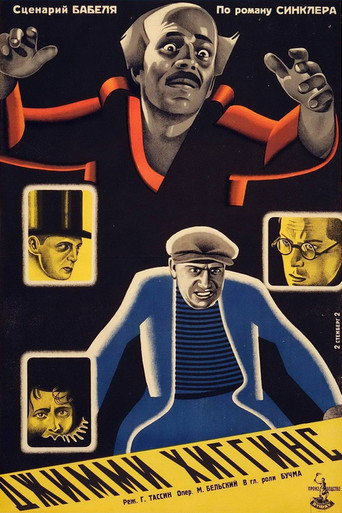
Jimmy Higgings
Jimmy Higgings is a worker of the plant making weapons for the Tsarist Russia and the German Empire. During World War I, Jimmy speaks at a spontaneous rally against the war. He is arrested. When released, he becomes unemployed. He is happy to hear the news about the revolution; he volunteers into the American expeditionary force thinking that having the weapons he can fight against Germans – the enemies of the Russian revolution. However, finding himself in Russia, Jimmy soon realises that the expeditionary force of American volunteers fights not against the Germans, but against the young Socialist Russia. Without any hesitations, he takes the path of revolutionary struggle, he spreads propaganda among the American soldiers and distributes Bolshevik leaflets. Captured by the American military police, Jimmy Higgings does not betray his friends. He is sentenced to twenty years in a military prison. Jimmy cannot stand it and loses his mind. Lost movie.
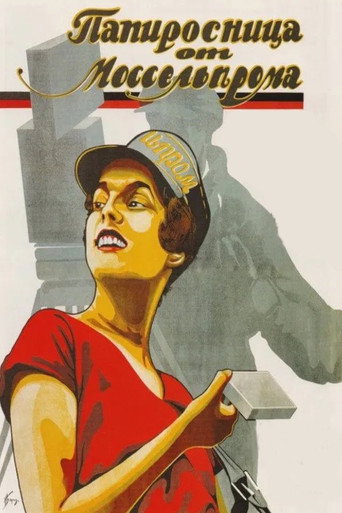
The Cigarette Girl of Mosselprom
As she works in her tedious office job, Maria Ivanovna dreams about being married, and she has particular hopes that her co-worker Nikodim Mityushin will take an interest in her. Nikodim, though, is in love with Zina, who sells cigarettes on the sidewalk, and he frequently buys cigarettes from her even though he does not smoke. One day, a film crew uses Zina as an extra in an outdoor scene, and the cameraman, Latugin, falls in love with her. Latugin soon arranges an acting job for Zina. To complicate matters further, Zina has yet another admirer in Oliver MacBride, an American businessman who is visiting Moscow.
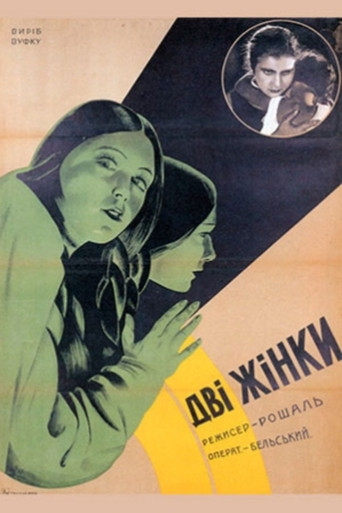
Two Women
During the NEP era, the ex-wife of a White officer, now married to a dedicated Soviet worker and lover to several bourgeois “specialists”, is expelled by her husband’s party for her affairs. Meanwhile, the commissar’s wife, once captured by White Cossacks, helps her husband lead a prisoner revolt and later serves as an exchange inspector on the commodity exchange. When she exposes the director’s fraud and her husband is wrongly implicated, both are reassigned to the provinces and depart together. Considered lost.
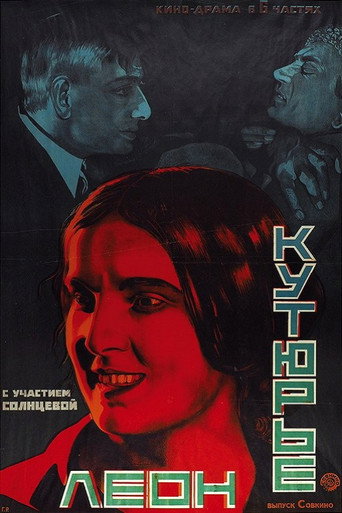
Leon Couturier
Adaptation of book by Boris Lavrenyov about the work of the underground fighters in a Ukrainian town occupied by the White army in 1919. Lost.
Production
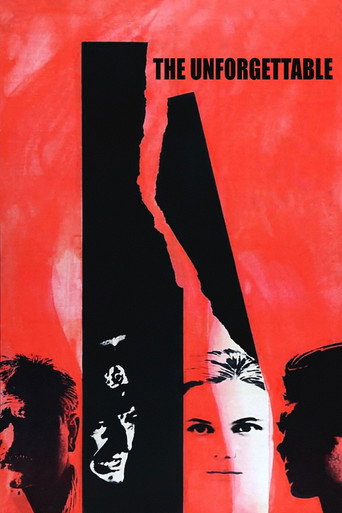
The Unforgettable
About hardships of the first years of War, which fell to the lot of ordinary people in Ukraine, who got under the yoke of fascist occupation, and heroic struggle against the invaders. A young Russian woman asks a Red Army soldier to spend the night with her in the wake of the Nazi invasion. Fearing she may soon perish, the woman hopes for one night of romance before what could be a horrible demise.
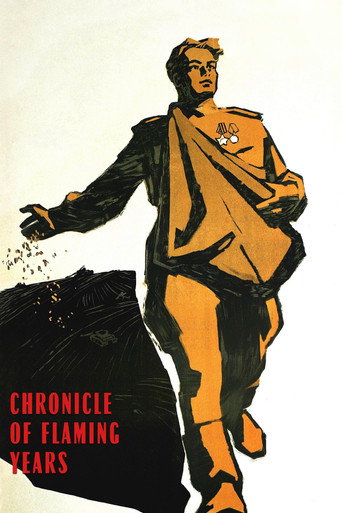
Chronicle of Flaming Years
Once again, director Yulia Solnsteva directs a movie that her late husband Alexandre Dovchenko scripted but did not live long enough to shoot. In this wartime drama, the emphasis is on the heroics of both the civilians and the soldiers during times of severe stress in World War II. At the core of the action is one man in particular, whose sacrifices and heroics speak for a much larger group.
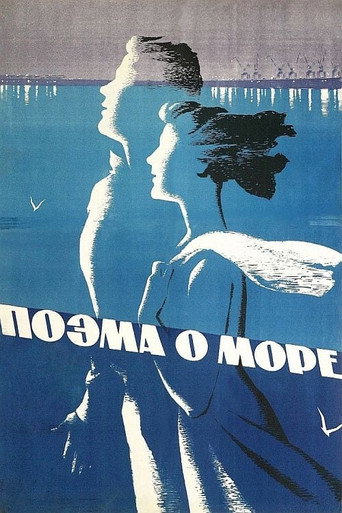
Poem of the Sea
A Soviet dam project means that many old Ukrainian villages will end up under water. There are conflicts between the dam engineers and villagers who don't want to move.
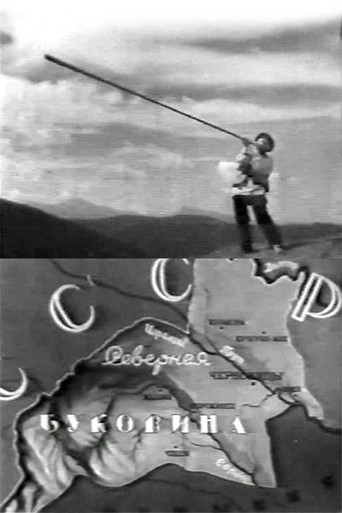
Bukovyna, Ukrainian Land
Dovzhenko and Solntseva's documentary about the Bukovina region.
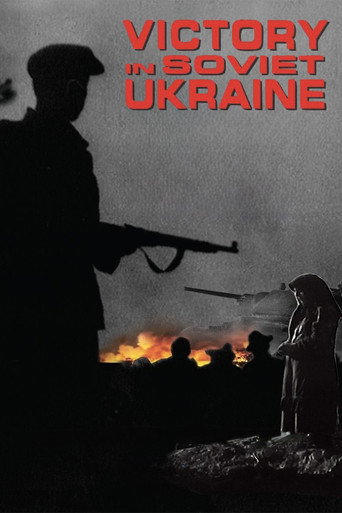
Victory in Soviet Ukraine
A wartime documentary directed by Alexander Dovzhenko and Yuliya Solntseva, depicting the final campaigns that drove Nazi forces from Ukraine in 1944–45. Combining frontline footage, liberated cityscapes, and scenes of returning civilians, the film chronicles both the devastation of occupation and the triumph of Soviet arms. It stands as both a historical record of the Ukrainian front and a patriotic celebration of victory at the close of the Second World War.
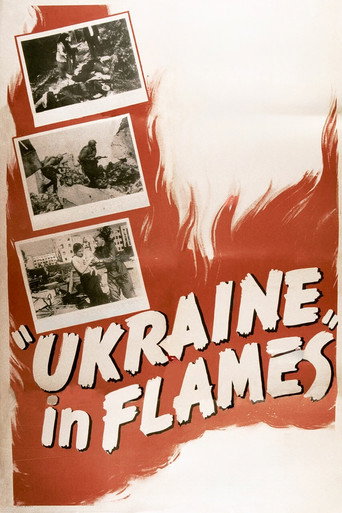
Ukraine in Flames
A 1943 Soviet war propaganda film by Ukrainian director Oleksandr Dovzhenko and Yuliya Solntseva. It is Dovzhenko's second World War II documentary, and dealt with the Battle of Kharkiv. The film incorporates German footage of the invasion of Ukraine, which was later captured by the Soviets.
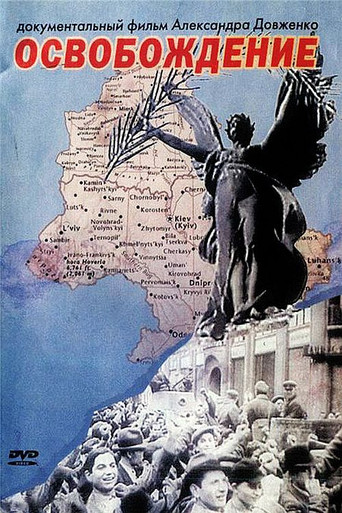
Liberation
Wartime documentary by Dovzhenko and Solntseva.

The Enchanted Desna
Based on the novel of the same name by Oleksandr Dovzhenko. About the childhood of the famous Ukrainian film director Oleksandr Dovzhenko, who was born on the ancient lands of Chernihiv, along the banks the Desna. The film consists of two parts. The first is the world shown through the impressions of the six-year-old Sashko. The second is the recollections and reasoning of Sashko, now an elderly colonel who liberates his native village during the war.
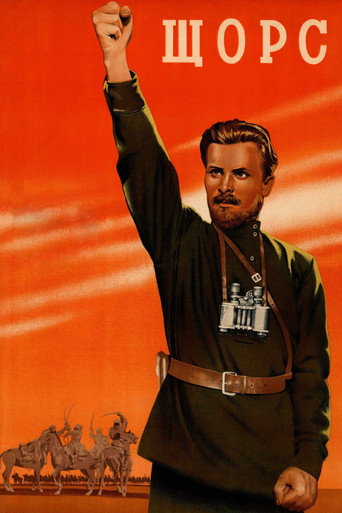
Shchors
Cheered up by the revolutionary zeal, courage and energy of their leader, Nikolai Alexandrovitch Shchors, in 1919 the peasants and workers' groups gathered in the civil war- devastated Ukraine, to defeat the foreign conquerors and enemies of the revolution. However, it does not take long until a new danger threatens: this time the Polish Pans enter Ukraine, and General Dragomirov marches to Kiev. Shchors, however, gathers the revolutionary forces of the country and brings them to a victorious counter-attack.
Earth
The film tells about the creation of the first collective farm communes and class enmity. Vasyl, a member of the Komsomol, with the help of a local party organization, gets a tractor and plows private boundaries "on kulak fields." However, this enthusiasm will cost him dearly.
Gallery