Yuliya Shatun Movies, TV Shows, and Filmography

Yuliya Shatun
Directing
Biography
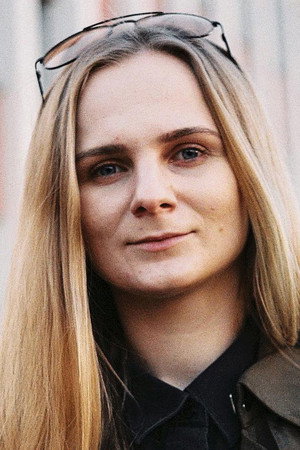
Yuliya Shatun (1992) studied applied cultural studies at Belorusian State University in Minsk, and currently, she is studying direction at the Moscow School of New Cinema. Her debut film, Tomorrow (2017), won awards at film festivals in Minsk and Marseilles.
Filmography Movies
Acting
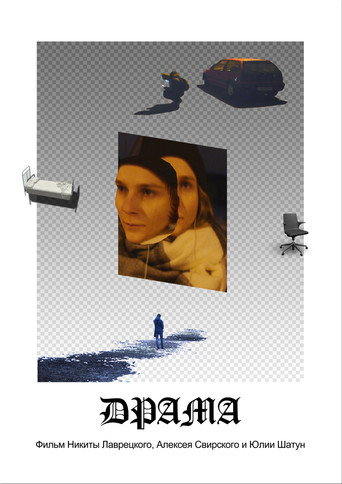
Drama
Three directors make a movie about the events of their past week. Relationships, work, and day-to-day personal struggle—the minute details still fresh on their minds—are shown with unseen crystal clarity that challenges the very notion of dramatic fiction.
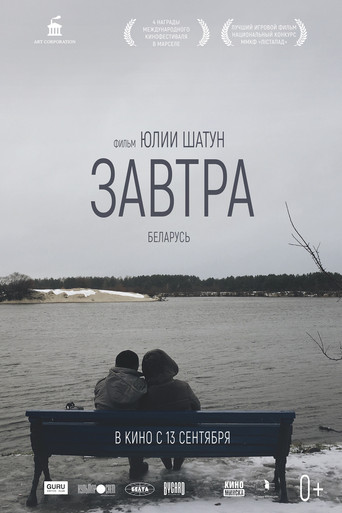
Tomorrow
In a small, snow-covered town in Belarus, a former English teacher manages to scrape a living distributing leaflets to people’s letterboxes. In the evening, he joins his wife in their dingy apartment, and together they reminisce about their son, a student in Minsk they rarely see. Possibly their only excitement of the week is buying a lottery ticket, which, for a few seconds, gives them a chance to dream. Yuliya Shatun’s camera, at first oddly focused on the white expanses along every roadside, then begins to scrutinise the teacher in his comings and goings – a precise recording with, however, a hint of the moroseness of a terrain so rare in today’s cinema. The teacher has stoically adapted to a degenerate world and a life fuelled by stifled shame. An odour of neglect wafts between the apartment blocks, the uttered words and the background noise of the television. A certain irony floats in the air too, and it needs Yuliya Shatun’s patience to grasp and take responsibility for it.
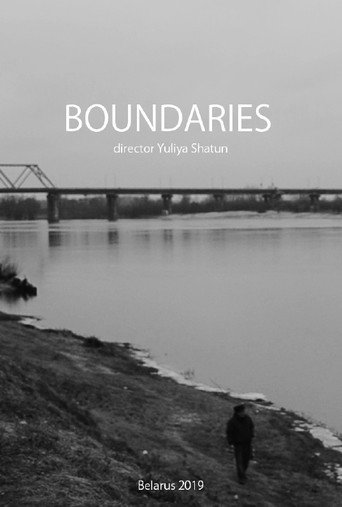
Boundaries
Listening to the persistent humming sound, we follow the author on her existential journey through four cities consisting of real images and footage taken by the director’s father 25 years ago that always bring us to some visible or invisible border.
Production

A Date in Minsk
Nikita and Volha have been maintaining a dysfunctional relationship for the past 8 years. In the following movie they play fictional Nikita and Volha who have only just met. Can anything be started anew at the end of history?
Tomorrow
In a small, snow-covered town in Belarus, a former English teacher manages to scrape a living distributing leaflets to people’s letterboxes. In the evening, he joins his wife in their dingy apartment, and together they reminisce about their son, a student in Minsk they rarely see. Possibly their only excitement of the week is buying a lottery ticket, which, for a few seconds, gives them a chance to dream. Yuliya Shatun’s camera, at first oddly focused on the white expanses along every roadside, then begins to scrutinise the teacher in his comings and goings – a precise recording with, however, a hint of the moroseness of a terrain so rare in today’s cinema. The teacher has stoically adapted to a degenerate world and a life fuelled by stifled shame. An odour of neglect wafts between the apartment blocks, the uttered words and the background noise of the television. A certain irony floats in the air too, and it needs Yuliya Shatun’s patience to grasp and take responsibility for it.
Drama
Three directors make a movie about the events of their past week. Relationships, work, and day-to-day personal struggle—the minute details still fresh on their minds—are shown with unseen crystal clarity that challenges the very notion of dramatic fiction.
Tomorrow
In a small, snow-covered town in Belarus, a former English teacher manages to scrape a living distributing leaflets to people’s letterboxes. In the evening, he joins his wife in their dingy apartment, and together they reminisce about their son, a student in Minsk they rarely see. Possibly their only excitement of the week is buying a lottery ticket, which, for a few seconds, gives them a chance to dream. Yuliya Shatun’s camera, at first oddly focused on the white expanses along every roadside, then begins to scrutinise the teacher in his comings and goings – a precise recording with, however, a hint of the moroseness of a terrain so rare in today’s cinema. The teacher has stoically adapted to a degenerate world and a life fuelled by stifled shame. An odour of neglect wafts between the apartment blocks, the uttered words and the background noise of the television. A certain irony floats in the air too, and it needs Yuliya Shatun’s patience to grasp and take responsibility for it.
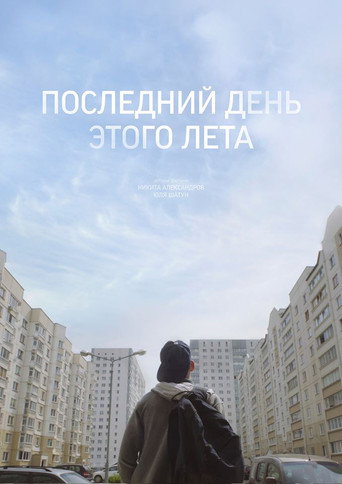
The Last Day Of This Summer
The film centers on a high-school student experiencing the last day of summer.
The Last Day Of This Summer
The film centers on a high-school student experiencing the last day of summer.
Boundaries
Listening to the persistent humming sound, we follow the author on her existential journey through four cities consisting of real images and footage taken by the director’s father 25 years ago that always bring us to some visible or invisible border.
Boundaries
Listening to the persistent humming sound, we follow the author on her existential journey through four cities consisting of real images and footage taken by the director’s father 25 years ago that always bring us to some visible or invisible border.
Boundaries
Listening to the persistent humming sound, we follow the author on her existential journey through four cities consisting of real images and footage taken by the director’s father 25 years ago that always bring us to some visible or invisible border.
Boundaries
Listening to the persistent humming sound, we follow the author on her existential journey through four cities consisting of real images and footage taken by the director’s father 25 years ago that always bring us to some visible or invisible border.
Gallery