Acting
No biography available.
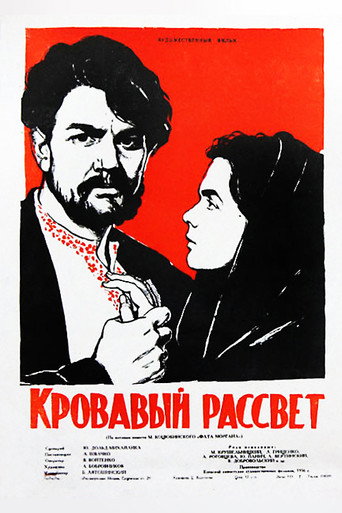
Adaptation of Mykhailo Kotsiubynskyi's novel “Fata Morgana“, film debut of Ada Rogovtseva. 1905. The peasant Marko Hrusha returns to his native village and leads a struggle against the landlords for land. He is arrested but later released. After his release, his struggle becomes even stronger...
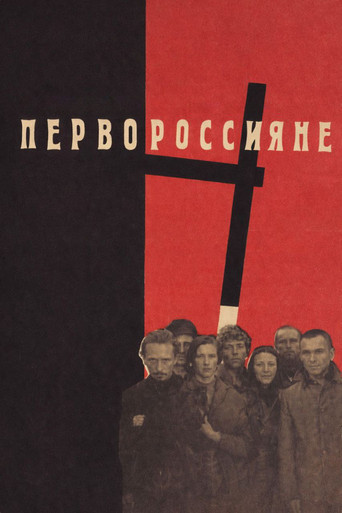
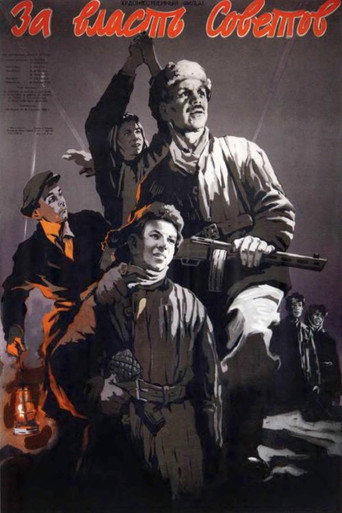
1918. Workers from Petrograd come to Altai region to establish the first agricultural commune. In spite of the hostility of the local White Army cossacks the workers build houses, cultivate land. The poor peasants are turning towards the commune. However, White Army cossacks take vengeance on the members of the commune.
Based on Nikolai Erdman’s banned 1928 comedy play The Suicide, a socially critical grotesque about a man tired of life
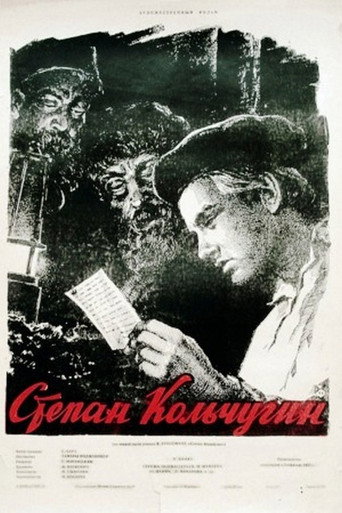
The film is set in old Yuzovka on the eve of 1905. After searching the Kolchugins' apartment, where money from the strike fund was hidden, the police arrest Anna Kolchugina and her lodger, the miner and revolutionary Kuzma. Anna's teenage son, Stepan, is forced to go to work in the mine. There he learns about the existence of the revolutionary underground and joins its struggle.
Petya meets his father from a partisan detachment in the Odessa Catacombs.
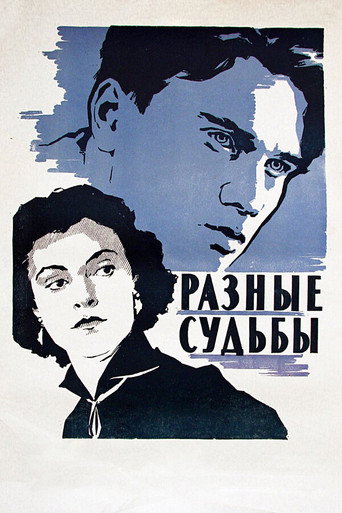
Young Leningraders, yesterday’s schoolchildren, are entering adulthood. Sonya is in love with Styopa, but he loves Tanya, and Tanya prefers Fedya. Rejected, Styopa leaves for a distant Siberian city and starts working at the factory, studying at the evening institute. Sonya leaves after him and gets a job at the same factory. Tanya and Fedya, having married, go to college, and the young husband has to earn some money as a driver to support his family. The selfish nature of Tanya refuses to put up with the modest position in which the newlyweds are forced to be, and she starts an affair with an elderly composer...
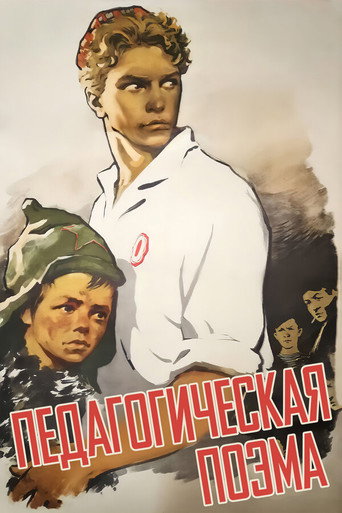
In 1920 Poltava, Ukraine, the first Soviet colony for street boys was created. This film tells the story of these rebellious kids and how the colony's director sought to rehabilitate them by allowing them to govern themselves.
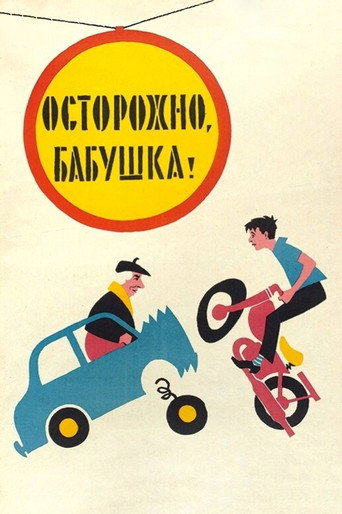
Young Lena becomes a chief manager of a workers' club. The problem is this club is not constructed yet and finishing it takes too much effort from a young girl. The solution is found by her grandmother and her 'old guards'. Look out Lena's enemies. Here's her grandma coming!
General George S. Patton died in a car accident in 1945. But was his death actually a murder. Is he targeted by Nazis angered by Germany's defeat? Or by Russians who knew that Patton had argued in favor of invading the Soviet Union towards the end of the war? Or is it because Patton is investigating the theft of a quarter of a billion dollars of Nazi gold? Or is it because his subordinate Colonels - the flamboyantly gay Colonel and his worried lover are fearful that he is getting too close to discovering the truth.
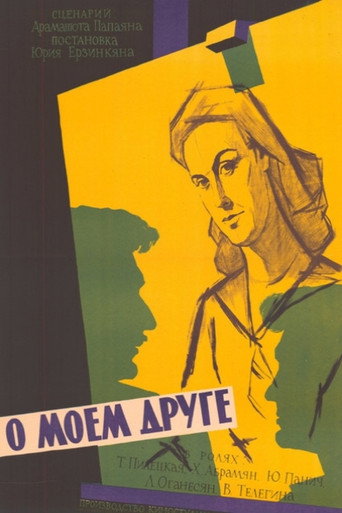
Life of three friends - Aram, Ruben, and Gohar - who went from Armenia to Leningrad (St. Petersburg) to study just as World War II started. Severe life lessons change the frivolous Ruben.
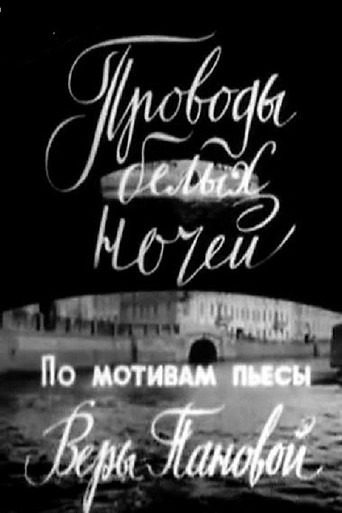
In Leningrad, at the end of the White Nights, young and childishly naive Nina meets a young journalist Valery. She falls in love with that genuine first love, which is only possible when you're 19 years old. She does not suspect that for such an ambitious aesthetic as Valerik, this is just another episode in an endless celebration of life. The leitmotif of the film, which became a cultural landmark for several generations of people born in Leningrad - St. Petersburg, is the natural scenery of the beautiful city on the Neva river at the beginning of the sixties.
Composition based on the play "Cyrano de Bergerac" by Edmond Rostand, performed by the Leningrad Lenin Komsomol Theatre.