Sound
No biography available.
Fishmans perform live at Hibiya Open-Air Concert Hall on May 3, 2011 with guest vocalists
The title is a combination of "I want to meet you" and "靉靆 (the flow of clouds, or a lens)". A kind of fake work using old film shot 10 years after its expiration date. However the "film you don't know who belongs to" that is inserted in the middle is real. A living story that could only be realized through film. Due to the death of Kamioka, who shot most of the film, the decision was made to leave the footage alone and completely replace the monologue.
Dreams, signs, fragments, margins, letters, one could also add love and memory to the list. My enchanted kingdom is filled with real aimlessness. The more the better. All that is left behind after it has disappeared is quiet. In the end I feel there hasn't been enough time to play. I want to say good-bye to this irrepressible feeling right around now though. After the color, the shape and the words have disappeared what will be left? Perhaps that is the tragedy of the twentieth century.
In April 1985, I started to make a film with my friend Kamioka as the main character. But even after three months, the whole film was still unknown. I started to work alone with the camera. One day, the rabbit he keeps at home gives birth to a stillborn baby. As he buries her under a tree in the garden, it made me think of his father, who died the year before. He is no longer with us, but only the gaze he left behind. And so I set off on a journey. In a town in the Hokuriku region, he met a woman who once appeared in one of his films. When I dozed off on the train to Tokyo, she appeared to me in a dream and tells me that I will soon find the exit. Back in Tokyo, I told Kamioka that I'm going to start filming again. I came back into the room, turned on the microphone and pressed the flame against the lens.
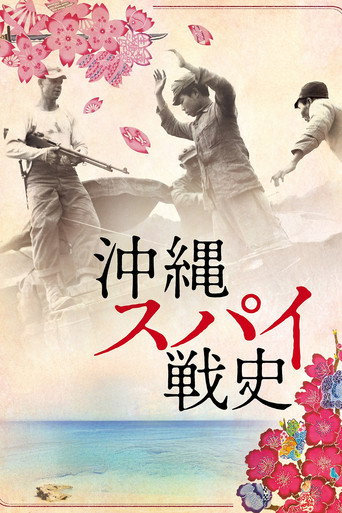
The greatest taboo of the Battle of Okinawa were Guerrilla units composed of boy soldiers. Until now, not even the Japanese people knew the full scope of these secret troops, and survivors have been afraid to share their tragic details. Okinawa became the bulwark to protect the Japanese mainland toward the end of World War II. After the Americans landed, a violent battle ensued resulting in the loss of over 200,000 lives – many of them civilian. This documentary uncovers Japan’s deepest secrets concerning the Battle of Okinawa, and also sounds alarms about modern Japan’s recent steps toward remilitarization.
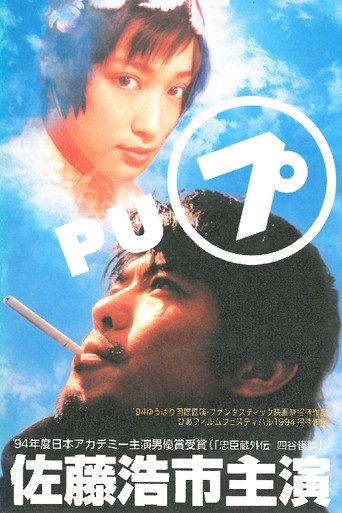
A wanderer and his son arrive on an obscure northern island of Japan, causing the village of Pu to fall into disarray.
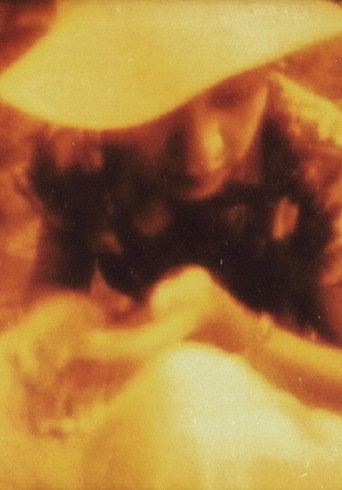
The original format is 8mm film (single8), and once the developed film is incompletely layered on the undeveloped film, it is projected onto a curtain swaying in the wind by shining light at an angle with a penlight. Created an effect.
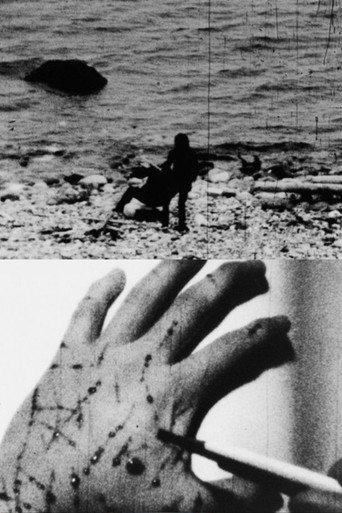
It consists of two repeated images: a scene of cutting the back of a hand with a utility knife and blood oozing out, and another one of a man being slaughtered at the beach.
Based on the Japanese legend of 15th century adventurer, Oguri Hangan Daisukeshige, Toyoda places us in a surreal world of tattooed Japanese slave workers whose real life roles serve more as symbols than actual characters. After being hired by a local despot, Daizen, to massage away a nasty venereal disease, Oguri is viley betrayed after refusing to stay longer.