Acting
No biography available.
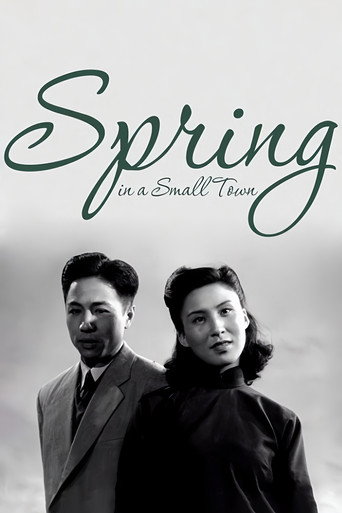
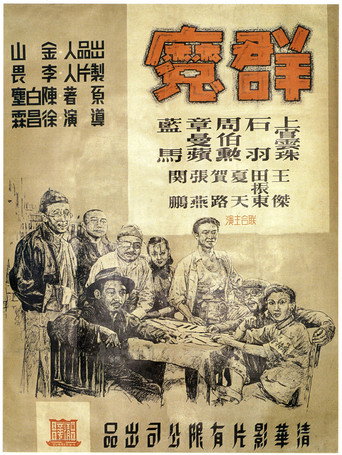
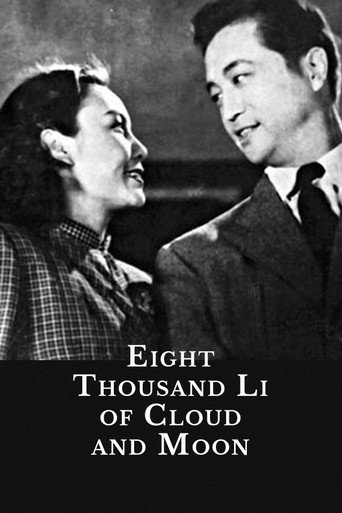
A married couple living in a desolate small town in post-WWII China are paid a surprise visit by an old friend of the husband's.
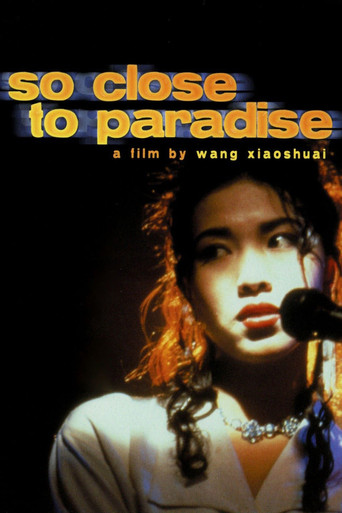
Two young farm workers, who like millions of others, leave their village to seek their fortunes in the city. Each chose a vastly different path to make it and become embroiled in misunderstandings, gangster brawls and police raids.
During the war, a small town butcher store, drug dealer Li Buyun, rogue Liu Tianyuan, soldier gangster Pan Qishan and a group of villains on the orders of the Japanese commander Yamamoto, secretly planning to set up a traitor organization to maintain the Association. They are fighting for oil and water, and Yamamoto has to send police chief Yang Kecheng to strengthen control, but Yang is an uncompromising straw man. Liu Tianyuan and Pan Qishan get a batch of arms to sell to a buyer outside the city, but the news is learned by Li Buyun, and the two sides fight for profit. When Pan Qishan came to report that the buyer of the arms was a guerrilla group. The gunfire is so loud that the villains hide in the basement, only to be blown up by the guerrillas with the grenades they are selling.
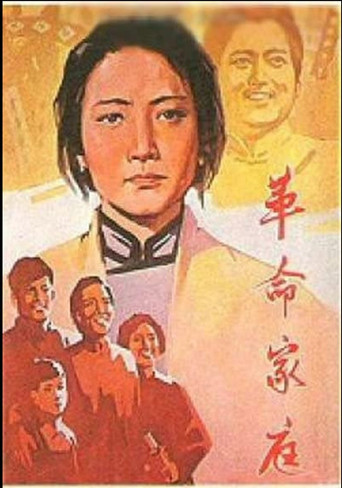
At the age of 16 Zhou Lian, who lost her parents at the age of two and was raised by a stepmother, marries Jiang Mei, a progressive young man from Changsha No. 1 Normal School. Jiang Meiqing has also lost both of his parents. The couple has two sons, Liqun, Xiaoqing and daughter Xiaolian. The film follows the family through turbulent times from 1924 to 1930.
Hong Kong horror movie from 1955.
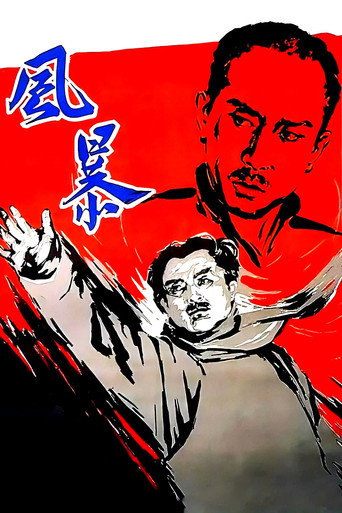
About the struggle of the Chinese railway workers in 1922 to create a united trade union.
A college girl and a musician go to the front of the anti-Japanese war and fall in love.
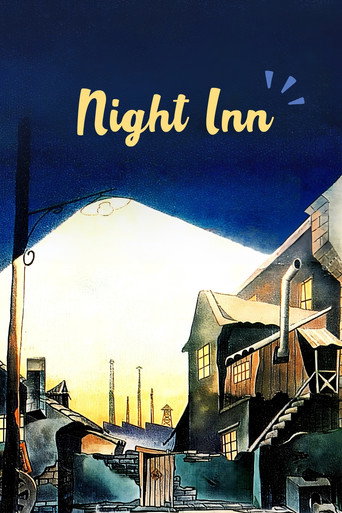
Night Inn (Chinese: 夜店; pinyin: Yè Diǎn) is a Chinese black-and-white film released in 1947, directed by Huang Zuolin and starring the popular Shanghai singer Zhou Xuan. The film is based on the Chinese theatrical adaptation of Maxim Gorky's The Lower Depths by playwright Ke Ling. The play and the film were both banned in China during the Cultural Revolution but were popular in the post-Mao period.
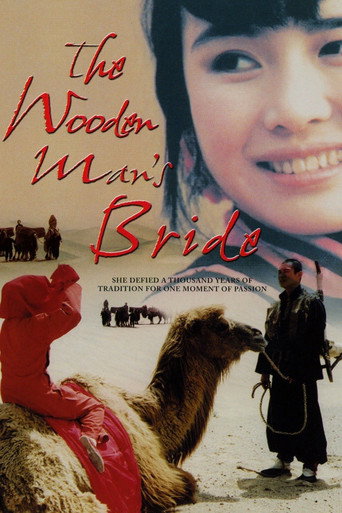
After her groom is killed in a bandit ambush, a young peasant bride must move into the home of her wealthy mother-in-law, Madame Liu. In a perverse tribute to her fallen son, Madame Liu imposes on her new daughter-in-law a life of domestic servitude. In the midst of her misery, the young widow finds new romance with another peasant, the gentle and brave Kui. But when Madame Liu discovers her infidelity, she vows to keep the lovers apart.