Yu Hyun-mok Movies, TV Shows, and Filmography
Yu Hyun-mok
Directing
Biography
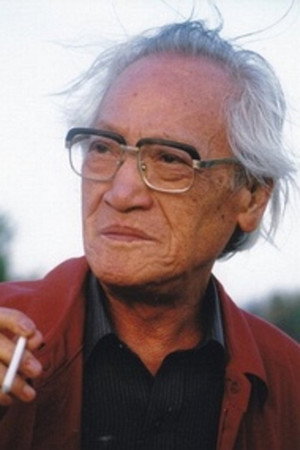
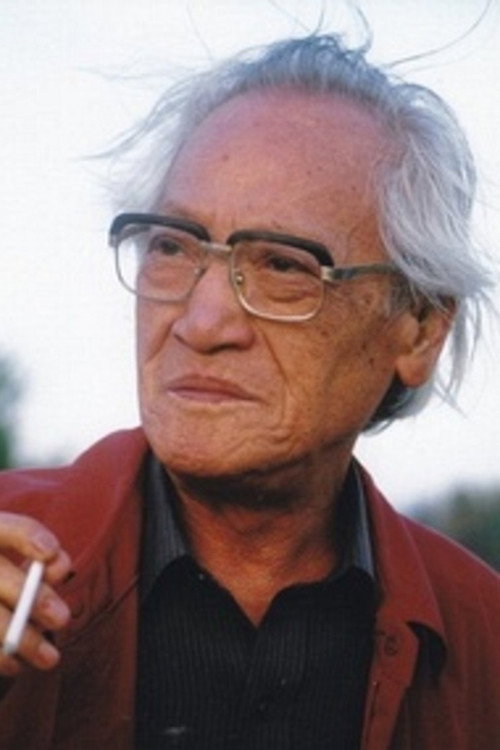
Yu Hyun-mok (July 2, 1925 – June 28, 2009) was a South Korean film director. Born in Sariwon, Hwanghae, Korea (North Korea today), he made his film debut in 1956 with Gyocharo (Crossroads). According to the website koreanfilm.org, his 1961 film Obaltan "has repeatedly been voted the best Korean film of all time in local critics' polls." Yu attended the San Francisco International Film Festival in 1963, where Variety called Obaltan a "remarkable film", and praised Yu's "[b]rilliantly detailed camera" and the film's "probing sympathy and rich characterizations." His dedication to the intellectual side of film and interest in using film to deal with social and political issues led him to have difficulties both with box-office-oriented producers, and with Korea's military government during the 1960s and 1970s. Korean critics have said his directing style is "in the tradition of the Italian Neorealists," yet "the terms 'modernist' or 'expressionistic' [are] just as applicable to his works." Besides his directing activities, he has taught film, and made a significant contribution to Korean animation by producing Kim Cheong-gi's 1976 animated film, Robot Taekwon V. A retrospective of Yu's career was held at the 4th Pusan International Film Festival in 1999. Yu died from a stroke on June 28, 2009.
Filmography Movies
Acting
Production
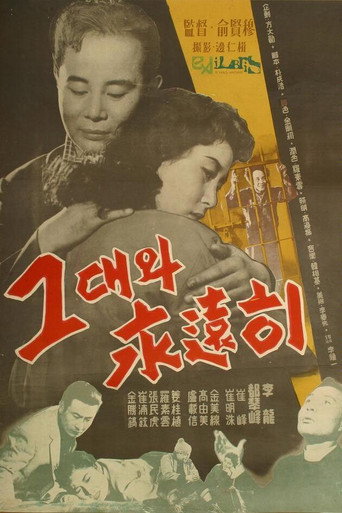
Forever with You
Gwang-pil (Lee Ryong), Dal-su (Choi Bong) and Sang-mun (Choi Myeong-su) are gangster boys who pick pockets. Ae-ran (Do Geum-bong), who works at a bakery, and Gwang-pil have known each other from childhood and are lovers. The three gangster boys rob a US army warehouse, but only Gwang-pil is caught and placed in a juvenile reformatory. Hearing that Ae-ran works as a barmaid, Gwang-pil escapes from the reformatory to see her. While Gwang-pil meets her, he is caught by a cop who has been chasing him.
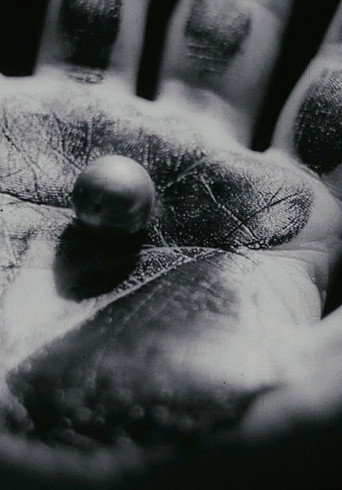
Hand
Hand is the second and last film produced by Cinepoem in 1966. Cinepoem is a film group founded by Yu Hyun-mok with the aim of producing avant-garde short films. Hand was directed by Yu, written by Choi Il-soo, shot by Kim Gi-Guk, and recorded by Park Ik-sun. It’s format is 35mm and B&W with a length of 50 seconds. The exceptionally short length of the film was set for submitting to the International and Universal Exposition in Montreal under the theme “Man and His World (Concours terre de hommes).” It organized a competition program for 50 seconds long films and called for works from all over the world. Winning works were supposed to screen in theaters as well on television. In the competition, 870 works from 37 countries were presented and 94 films were selected including Hand for screening at the opening of the Montreal International Film Festival.
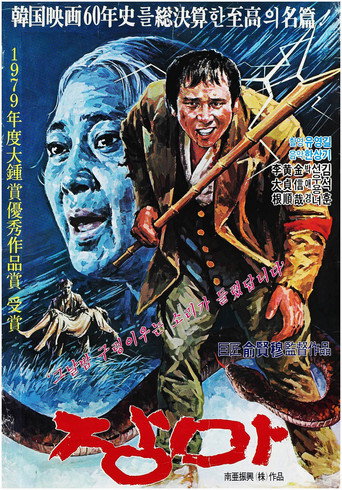
Rainy Days
During the Korean War in early 1950s, mother’s family comes and stays at Dong-man’s house. His uncle on father’s side is a North Korean partisan and the uncle on mother’s side dies while fighting as South Korean soldier. For this reason, his grandmothers don’t get alone. Dong-man tells a stranger that his partisan uncle is home and his father gets arrested.
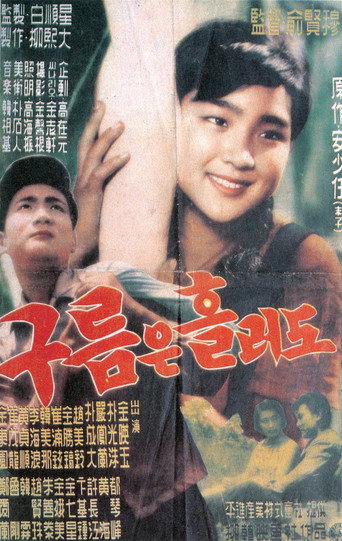
Even the Clouds Are Drifting
After the death of Mal-Suk's father, her eldest brother, Dong-suk, becomes the sole breadwinner for his three siblings. With rumors of impending strikes and job cuts at the local mine, the struggling family faces difficulties in providing food and school fees for Mal-Suk and her brother Dong-il. This situation forces the two older siblings to move to Seoul, leaving the younger ones with their neighbors. Mal-Suk's only outlet is in her diary, where she candidly shares her hopes and troubles.
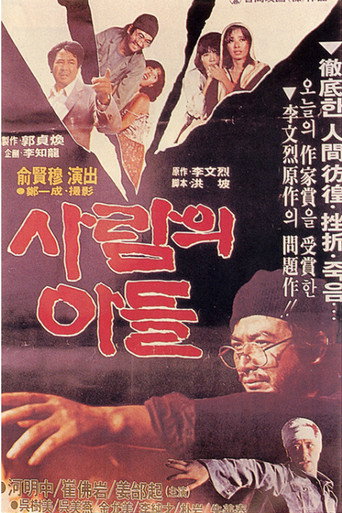
Son of a Man
A detective searching for the cause of a young man's death uncovers a melodramatic story involving prostitutes and religion.
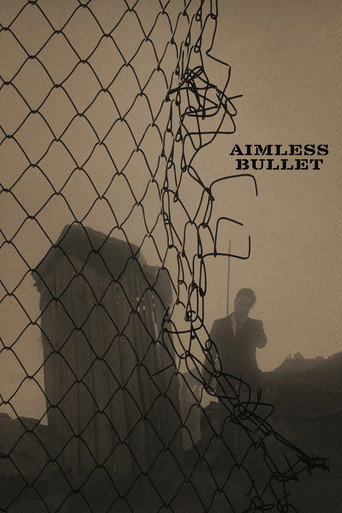
Aimless Bullet
Two brothers—Chul-ho, an accountant with a toothache and a pregnant wife, and Yong-ho, an unemployed ex-soldier wounded in battle—navigate life in post-war Korea.
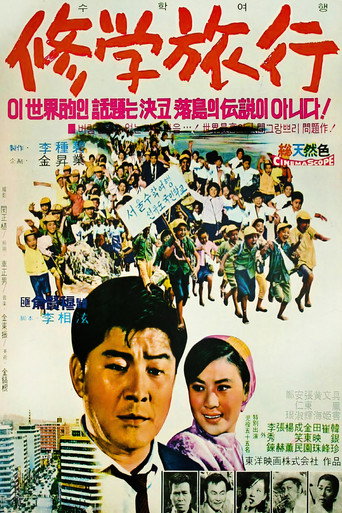
School Excursion
A school teacher on a remote island has to convince skeptical parents to allow him to take his class of young children to Seoul to experience modern, urban civilization for the first time.
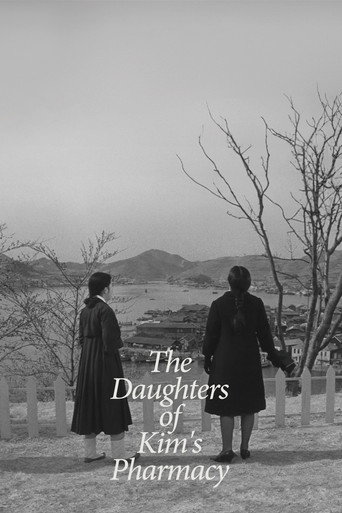
The Daughters of Kim's Pharmacy
After an aggressive man lets his anger get the better of him, his wife takes her own life and he is forced to go on the run. The son he leaves behind grows up to have 4 daughters, but there is rumored to be a curse on his family. As the daughters find their way into relationships the curse seems to be true. Allegations of child murder, infidelity, forced into marriages with raging psychopaths.
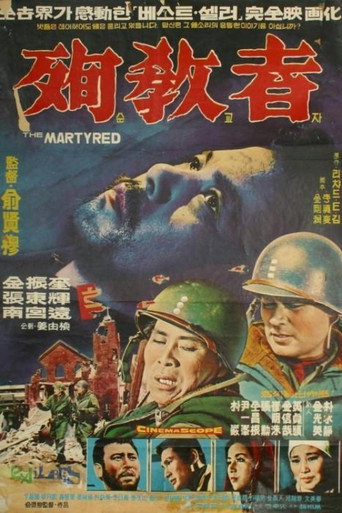
The Martyrs
Out of fourteen ministers taken away by the communist troop, only two come back alive. The mystery behind their survival is at the issue here. Told through one of the survivor's testimony, depicts images of men troubled between the war and the religion. Although laden with anti-Communist notions from the 60's military regime.
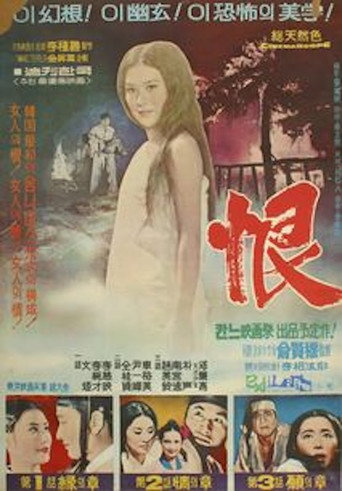
A Regret
This film is a compilation of three short horror stories. They include a story of a wife ghost who was separated by death with her husband. She met him after praying for meeting a husband for 100 days. The wife ghost finally leads him to death. In the second story, a ghost of a dead wife who is jealousy of her husband's love of a barmaid sets them on fire. In the third, a male ghost tests a chaste woman's will not to be tempted by men.
Gallery