Yoshimitsu Morita Movies, TV Shows, and Filmography
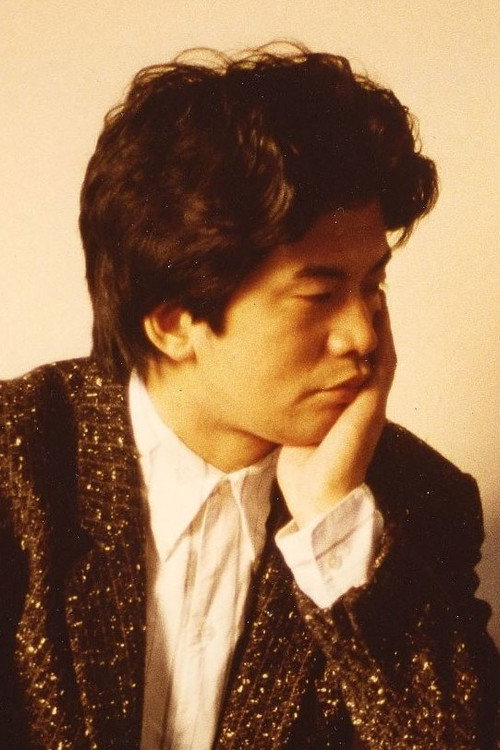
Yoshimitsu Morita
Directing
Biography
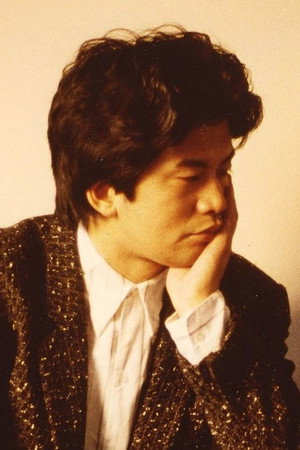
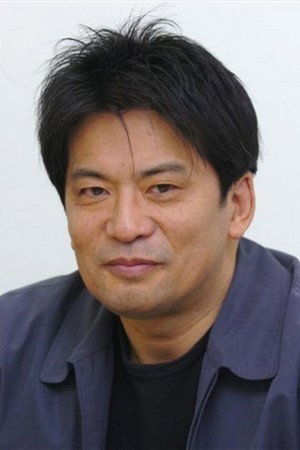
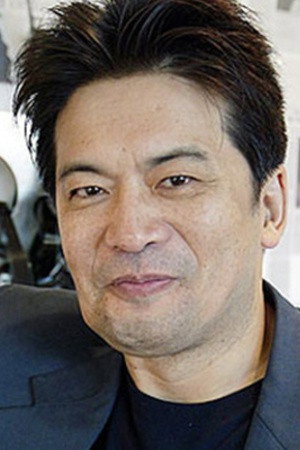
Yoshimitsu Morita was a Japanese film director. Self-taught, first making shorts on 8 mm film during the 1970s, he made his feature film debut with No Yōna Mono (Something Like It, 1981). In 1983 he won acclaim for his movie Kazoku Gēmu ("The Family Game"), which was voted the best film of the year by Japanese critics in the Kinema Junpo magazine poll. This black comedy dealt with then-recent changes in the structure of Japanese home life. It also earned Morita the Directors Guild of Japan New Directors Award. He also won the award for best director at the 21st Yokohama Film Festival for 39 keihō dai sanjūkyū jō ("Keiho", 2003) and the award for best screenplay at the 18th Yokohama Film Festival for Haru (1996).
Filmography Movies
Acting

Tokyo Fair Weather
This is a biographical film about the late Yoko Araki, who was the wife of Japan's leading photographer, Nobuyoshi Araki.
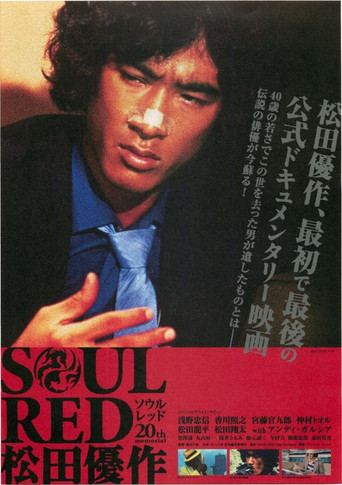
SOUL RED Yusaku Matsuda
Documentary on the life of actor Yusaku Matsuda. This is a documentary film produced on the occasion of the 60th anniversary of the birth of actor Yusaku Matsuda and the 20th anniversary of his death . It is composed of newly shot interviews as well as real voice interviews and treasured videos that were not officially revealed until now.
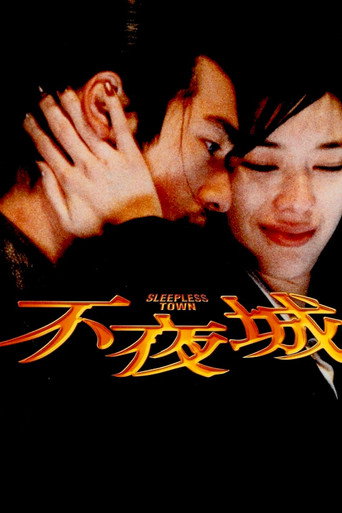
Sleepless Town
Kenichi is a half-Japanese, half-Chinese man of the underworld. You can sell him anything except children's organs. His domain is in Kabukicho, a gangland controlled by various Shanghai gangs intent on taking control. His former partner-in-crime, Fu-Chun, is rumored to have returned to Kabukicho, having fled years earlier after killing the number two of gangland boss, Yuan. Yuan wants to get even and attempts to do so by using Kenichi.

Crying Out Love in the Center of the World
While searching for his fiancee Ritsuko, Sakutarou rediscovers through flashbacks the void deep within him caused by the events from his high school days.
Production

The Steam Express
The unique editing of the film, in which cuts of the train running according to an unreadable sequence of rules are overlaid with radio weather forecasts, '60s pop music and FEN broadcasts, and the inexhaustible camerawork and fearless cutting bring the scenery seen through the train windows to life in this ambitious film. This groundbreaking work was an independent film at the time, but was released in a hall rented by the filmmaker and drew an unprecedented audience. This is the starting point for his posthumous film Bokutachi Kyuko A-Train de Ikirou!
The Steam Express
The unique editing of the film, in which cuts of the train running according to an unreadable sequence of rules are overlaid with radio weather forecasts, '60s pop music and FEN broadcasts, and the inexhaustible camerawork and fearless cutting bring the scenery seen through the train windows to life in this ambitious film. This groundbreaking work was an independent film at the time, but was released in a hall rented by the filmmaker and drew an unprecedented audience. This is the starting point for his posthumous film Bokutachi Kyuko A-Train de Ikirou!
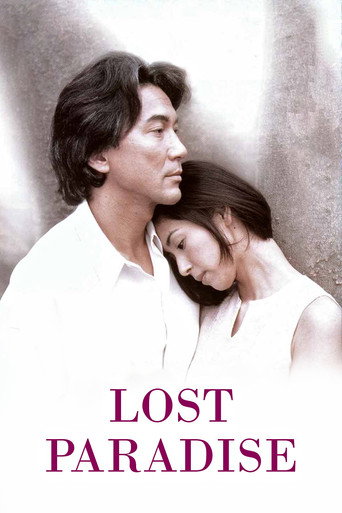
Lost Paradise
Kuki is a veteran newspaper reporter who has been shuffled off to a book-development branch and finds escape in an illicit relationship with Rinko. Together they find the passion no longer present in their marriages.
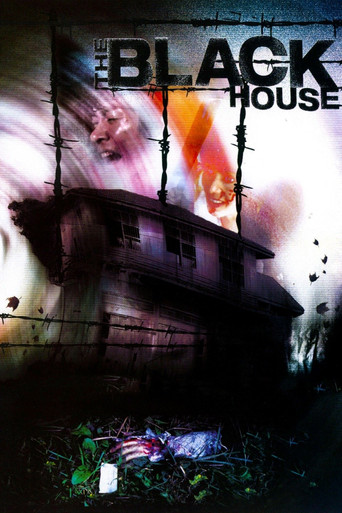
The Black House
A timid insurance agent investigates a possible insurance fraud case that involves a death. As the facts are slowly revealed, he becomes progressively more frightened.
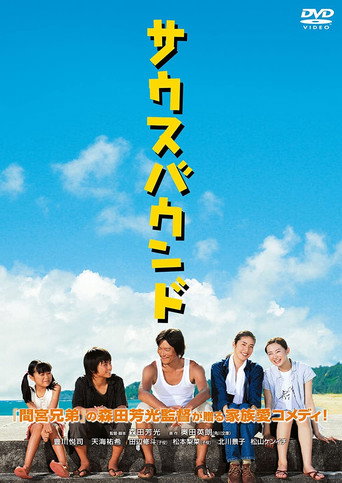
South Bound
Uehara Jiro, in the sixth year at elementary school, is from a family of five; his parents who are both ex-extremists, his elder sister and a younger sister. Children look coldly at their father, Ichiro (Toyokawa Etsushi), who does not work but is quick at lashing out for anything illogical. One day, Jiro snaps at a junior high school student in the neighborhood who ridiculed his parents and causes a violent incident. Being tired of all the fuss made by the school and the response from the child welfare, the Uehara family moves to the island of Iriomotejima, father's hometown. However, the island is in the midst of a row over a development plan to build resort facilities, and the family is sucked into the mayhem. Ichiro and his wife Sakura are arrested, but they break loose. They are forced to live a life as fugitives, and are unable to live with their children. The children, however, understand that their parents do not want to succumb to the establishment and support them.
South Bound
Uehara Jiro, in the sixth year at elementary school, is from a family of five; his parents who are both ex-extremists, his elder sister and a younger sister. Children look coldly at their father, Ichiro (Toyokawa Etsushi), who does not work but is quick at lashing out for anything illogical. One day, Jiro snaps at a junior high school student in the neighborhood who ridiculed his parents and causes a violent incident. Being tired of all the fuss made by the school and the response from the child welfare, the Uehara family moves to the island of Iriomotejima, father's hometown. However, the island is in the midst of a row over a development plan to build resort facilities, and the family is sucked into the mayhem. Ichiro and his wife Sakura are arrested, but they break loose. They are forced to live a life as fugitives, and are unable to live with their children. The children, however, understand that their parents do not want to succumb to the establishment and support them.
South Bound
Uehara Jiro, in the sixth year at elementary school, is from a family of five; his parents who are both ex-extremists, his elder sister and a younger sister. Children look coldly at their father, Ichiro (Toyokawa Etsushi), who does not work but is quick at lashing out for anything illogical. One day, Jiro snaps at a junior high school student in the neighborhood who ridiculed his parents and causes a violent incident. Being tired of all the fuss made by the school and the response from the child welfare, the Uehara family moves to the island of Iriomotejima, father's hometown. However, the island is in the midst of a row over a development plan to build resort facilities, and the family is sucked into the mayhem. Ichiro and his wife Sakura are arrested, but they break loose. They are forced to live a life as fugitives, and are unable to live with their children. The children, however, understand that their parents do not want to succumb to the establishment and support them.
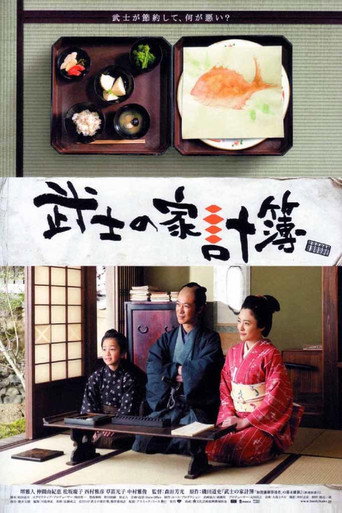
Abacus and Sword
Set during the Meiji Restoration period of Edo era Japan, Naoyuki belongs to the 8th generation of the Inoyama family, a wealthy family known for finance & accounting. He is also a gifted mathematician and uses the abacus with extreme skills. Naoyuki works under the declining Kaga domain. Because of this, Naoyuki and his wife Koma suffer hardships as their stature and wealth dissipates.
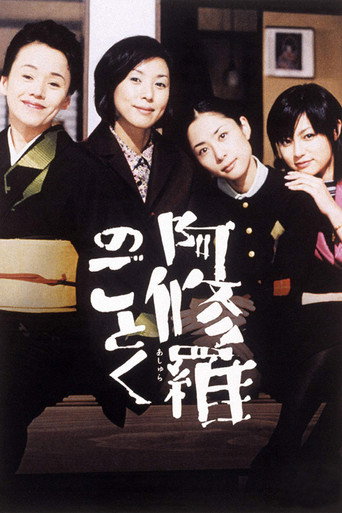
Like Asura
The four Takezawa sisters discover that their father has an illegitimate child so they hire a private detective to investigate.
Gallery