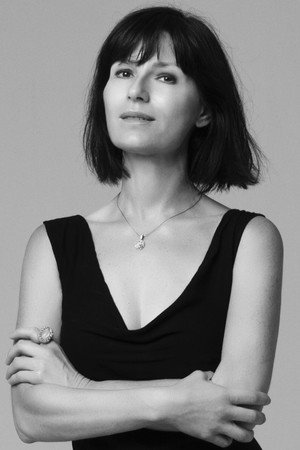
Yeşim Ustaoğlu Movies, TV Shows, and Filmography
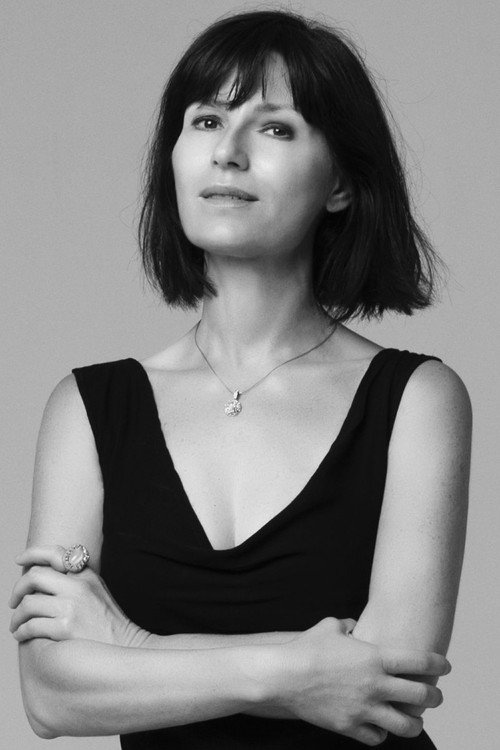
Yeşim Ustaoğlu
Directing
Biography
After making several award-winning shorts in Turkey, Yesim Ustaoğlu made her feature film debut with 1994's 'The Trace' (İz). The film was presented at numerous international festivals, including Moscow and Gotenburg and won the Best Film Award at Istanbul Film Festival. Yesim Ustaoğlu received international recognition for her 1999 film, 'Journey To The Sun' (Güneşe Yolculuk) which competed in Berlinale and received the Blue Angel Award (Best European Film) and the Peace Prize before sweeping the Istanbul Film Festival by winning Best Film, Best Director, the FIPRESCI Prize and the Audience Award. Launching her own production company Ustaoğlu Film in 2003, her third film, 'Waiting for the Clouds' (Bulutları Beklerken) premiered in 2014 Berlinale Panorama and was awarded NHK Sundance - International Film-maker's Award. Ustaoğlu's fourth feature, 'Pandora's Box' (Pandora'nın Kutusu) premiered in Toronto (TIFF) and won Golden Shell for the Best Film and Silver Shell for the Best Actress Award in San Sebastian FF. Her fifth feature 'Somewhere in Between' (Araf, 2012) premiered in Orrizonti section in 69th Venice FF, won Best Film Award in Abu Dhabi FF and Split Mediterranean FF, as well as Best Performance in Moscow, Tokyo and Pune Film Festivals. Her latest film 'Clair Obscur' (Tereddüt).
Filmography Movies
Acting
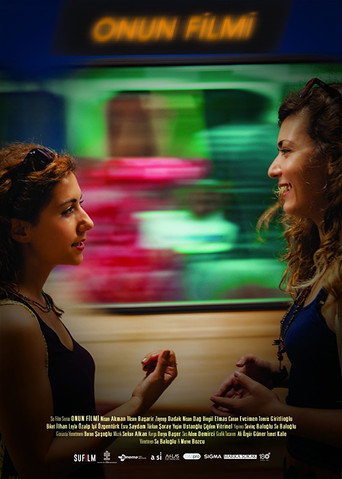
Her First
Two film school graduates intimidated by the gender stereotypes that pervade film industry decide to make a documentary to explore the issue. The two women spend two years shooting, make 5000 kilometers, talk to established women directors and record every moment of this journey of discovery and self-discovery. But the real journey is just about to begin.
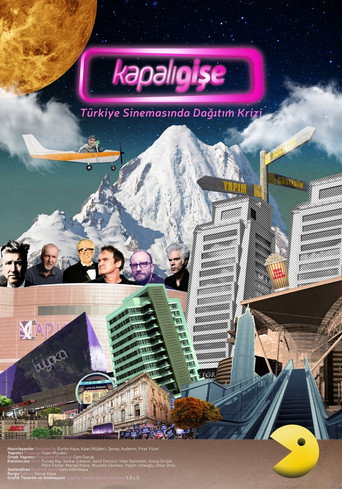
Only Blockbusters Left Alive: Monopolizing Film Distribution in Turkey
Turkish film industry has been experiencing a breakthrough in the last ten years. According to 2015 figures, there is a bold uptrend in terms of viewers and film production. Yet without any regulations at work, this growth only made injustices in distribution bigger. While a single cinema chain controls more then 50% of the market, it also started to control distribution and production. In this monopolized environment, there seems to be no country for independent production. With the guidance of producers, distributors, and economists, the film traces the distortion created by the bad economy that has become an obstacle for freedom of choice.
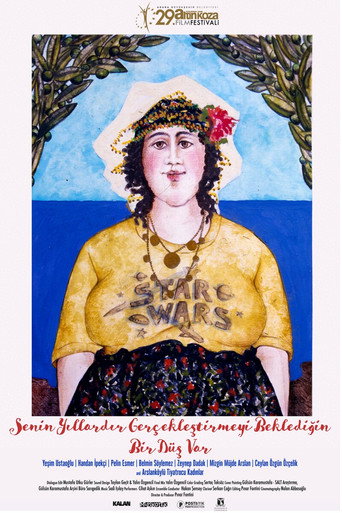
Dream Workers
Dream Workers is an intimate and daring journey into women's creativity, dreams, and unexpected confrontations by life through the intertwined stories of eight women filmmakers and a village women's theatre group from Turkey. The conditions of urban and cultural gentrification, pandemic, and isolation that initially threaten the film become part of the film. Listening to the creation stories of these women directors, including the director of the documentary, the audience experiences their different ways of living life and making art under the contemporary socio-cultural dynamics of Turkey.
To Catch a Moment
The film portrays the bus journey of a young woman played by the director herself. Throughout the journey, the woman's mind goes off to a few imaginary time zones and she starts dreaming about what could happen
Production
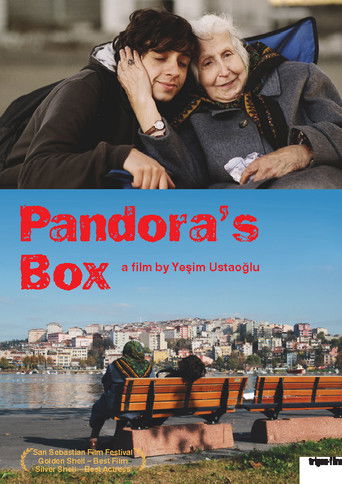
Pandora's Box
When an aging matriarch starts showing signs of dementia, her dysfunctional family in Istanbul must navigate a minefield of unresolved issues to care for her.
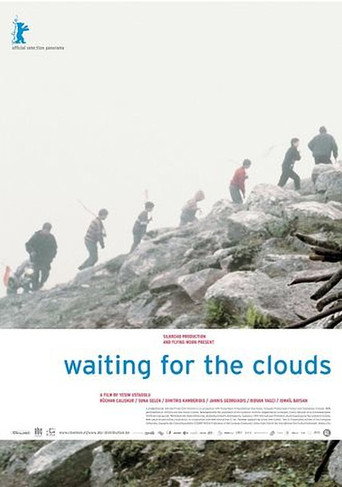
Waiting for the Clouds
A member of a Greek family in Turkey is forced to immigrate from Trabzon to Mersin in her youth. However, events cause her to face her own past.
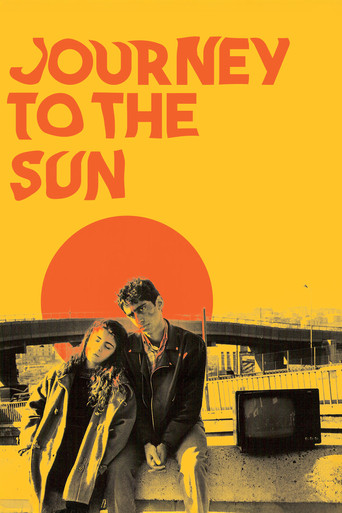
Journey to the Sun
Mehmet, a young Turkish man newly migrated from Tire, takes a job searching for water leaks below the surface of the streets of Istanbul. Due to a strange set of events, he is mistaken for a Kurd, imprisoned, and brutally beaten. Upon his release, he becomes an outcast marked as a Kurd.
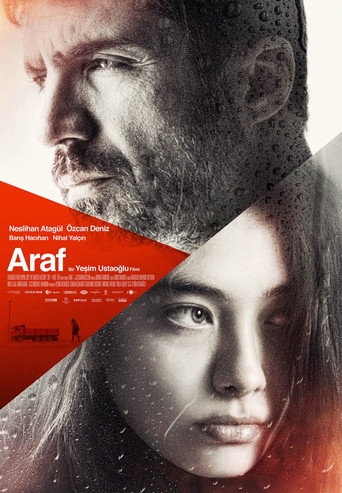
Araf/Somewhere in Between
Araf is the story of Zehra and Olgun whose lives are caught in a vacuum. The world in which they live and work is a place of throwaway culture and constant change. They too are waiting for a chance to change and escape from their empty, monotonous lives.
Araf/Somewhere in Between
Araf is the story of Zehra and Olgun whose lives are caught in a vacuum. The world in which they live and work is a place of throwaway culture and constant change. They too are waiting for a chance to change and escape from their empty, monotonous lives.
Journey to the Sun
Mehmet, a young Turkish man newly migrated from Tire, takes a job searching for water leaks below the surface of the streets of Istanbul. Due to a strange set of events, he is mistaken for a Kurd, imprisoned, and brutally beaten. Upon his release, he becomes an outcast marked as a Kurd.
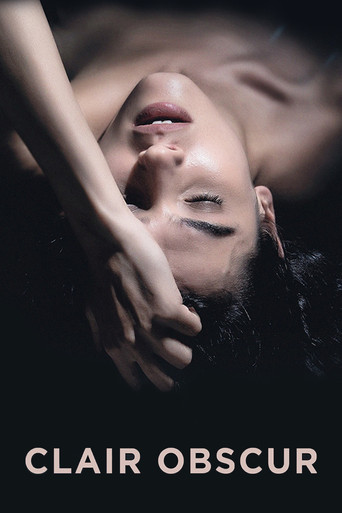
Clair Obscur
Şehnaz, a young female psychiatrist from Istanbul, starts mandatory duty in a provincial town. Back in the city, she maintains a marriage that looks flawless on the outside. Elmas, a young woman on the verge of breakdown, opens a new path in her.
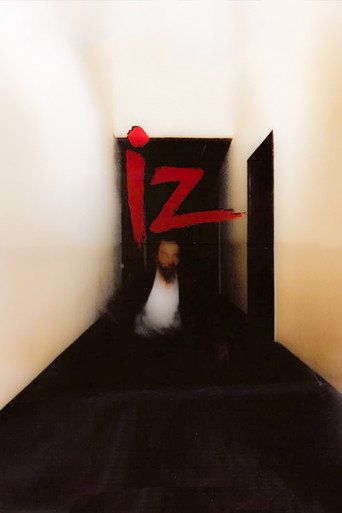
The Trace
Commissioner Kemal, who is nearing retirement, investigates a suicide case. Cezmi Kara, whose face has become unrecognizable, has been found dead in her home. Kemal suspects that this is a murder and obsesses over the dead man's face.
Clair Obscur
Şehnaz, a young female psychiatrist from Istanbul, starts mandatory duty in a provincial town. Back in the city, she maintains a marriage that looks flawless on the outside. Elmas, a young woman on the verge of breakdown, opens a new path in her.
Clair Obscur
Şehnaz, a young female psychiatrist from Istanbul, starts mandatory duty in a provincial town. Back in the city, she maintains a marriage that looks flawless on the outside. Elmas, a young woman on the verge of breakdown, opens a new path in her.
Gallery