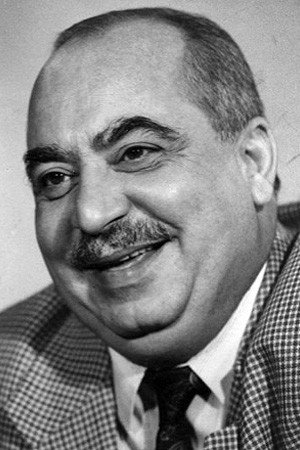
Yashar Nuri Movies, TV Shows, and Filmography
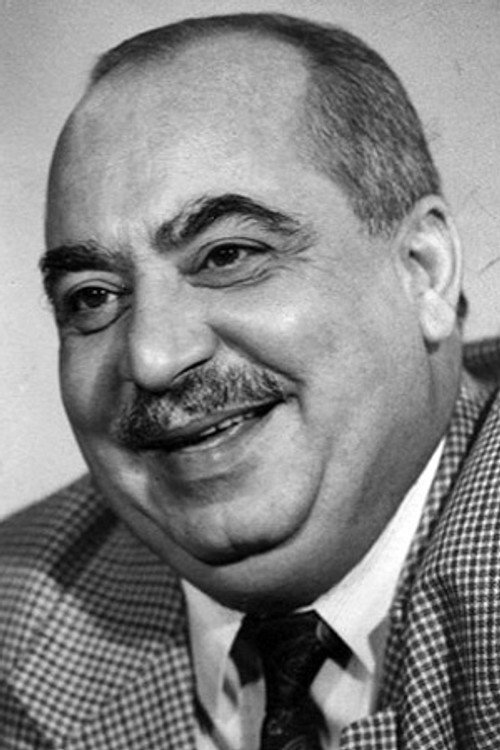
Yashar Nuri
Acting
Biography
Yashar Nuri (Azerbaijani: Yaşar Nuri) was an Azerbaijani film, television and theater actor and a member of the Azerbaijan State Academic Drama Theatre. He appeared in more than fifty Azeri and Soviet era films, as well as more than 100 television and stage roles. On the stage first came out at the age of 11, playing the role of Tapdyga in the play "Whose wedding is this?" At the Azerbaijan State Theater of Musical Comedy. While studying at school, he was a leading child and youth programmer, participated in drama circles. In 1968 he graduated from secondary school No. 173 in Baku and entered the faculty of film acting of the Azerbaijan State Institute of Arts for the course of famous teachers Rza Tahmasib and Aliheydar Alakbarov. During his studies he played roles in several productions, including "Sevil" (Balash), "Wedding" (Salmanov), "Guilty Without Guilt" (Neznamov), etc. In 1972, after graduating from the institute, he served in the army for a year and, having returned, worked as an actor in the educational theater of the Institute. In 1974, at the invitation of the chief director of the Academic National Drama Theater, he was accepted into the acting company of the collective. From the very first days of work he took part in many theater productions. In 1975, the actor married Rakhime khanum, his wife was a doctor. From marriage has two daughters (Ulkar, Ulviyya). He was also known as a movie actor. Nuri starred in about 50 feature films and more than 100 television productions. Many of the television dramas in which he starred in the main role, entered the gold fund of Azerbaijani television. Among them, "When Roads Meet", "Life Paths", "Houses Along", "The Disturbed Piano", "In the train" and others. The actor has played memorable roles in the well-known films"The Kidnapping of Fiance", "Bastard", "Check", "The Road Story". In addition to the theater, Yashar Nuri collaborated with radio. He was a participant in many humorous radio programs ("Good Morning", "Evening of Laughter"). In the film studio "Azerbaijanfilm" he voiced many local films and dubbed foreign films. Y. Nuri was also the director of a number of films and performances. He was the director of the movie "Thank you" (Спасибо). Y. Nuri's jubilees are always held solemnly. In 1981, in the 30-year anniversary of Y. Nuri, he was awarded the title of People's Artist of the Azerbaijan SSR for the first time. In 1991, for his role in the film "Bastard" received a state award. In 1996, for the 45th birthday of the actor, in 2001, for the 50th anniversary, feature films "Yashar of Our Scene" ("Səhnəmizin Yaşarı"), "Yashar is whom he is" (Yaşar olduğu kimi) were made. In 2011, the 60th anniversary of Yashar Nuri was solemnly celebrated at the Azerbaijan State Academic National Drama Theater. In 1989, he was named a People's Artist of Azerbaijan, as the country was part of the Soviet Union at the time, and awarded the Shohrat Order. Yashar Nuri passed away on the morning of November 22, 2012 in Baku.
Filmography Movies
Acting
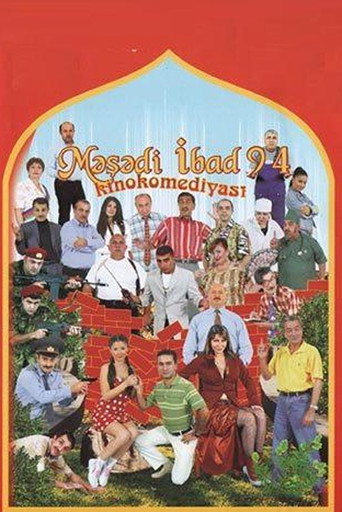
Məşədi İbad 94
Set in 1994 Baku, the film modernizes Üzeyir Hacıbəyov’s musical comedy "O olmasın, bu olsun" by recasting Rustam Bey as an opposition figure who hopes to reclaim his lost office by courting wealthy businessman Ibka’s family. As in the original, a series of comic deceptions and mismatched identities ensue, though all the principal characters have been updated to fit the post-Soviet Azerbaijani context.
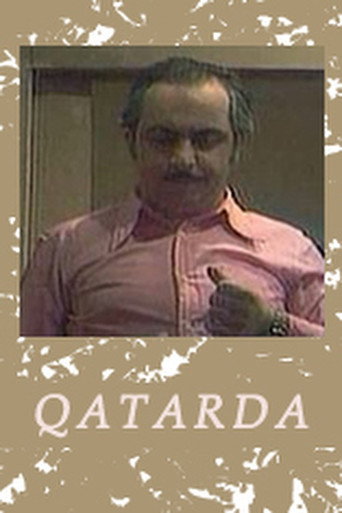
In the Train
The events take place in the train. Some passengers show great respect for Mr. Dadashov, but who is Mr. Dadashov?
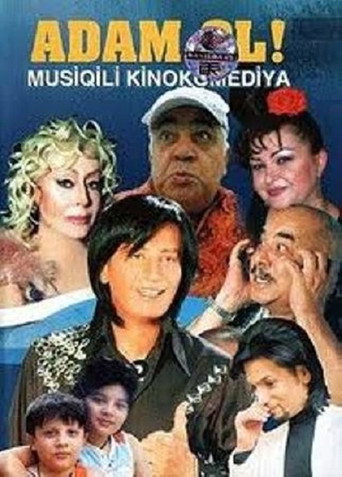
Be Human!
Mrs. Leyli intends to marry a younger person. But since that person is already married and hides it at the first meeting, their love does not happen.
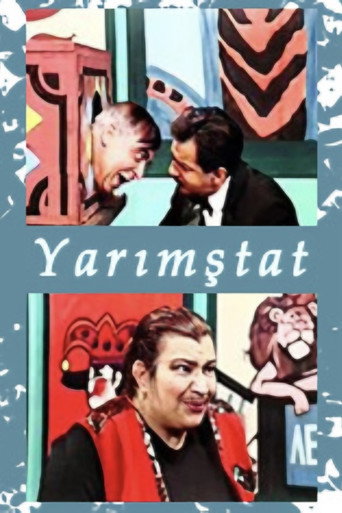
Part-time
After being demoted to a part-time role, the circus magician Zaman decides to teach the director a lesson.
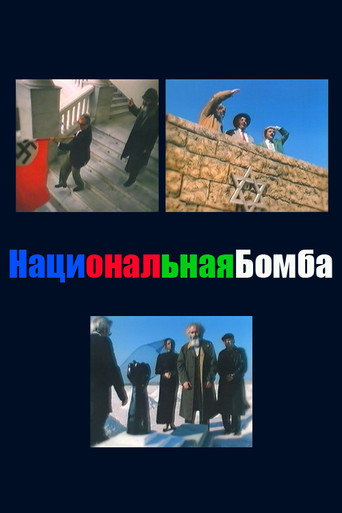
National Bomb
In capital city Baku, eminent editor Yusef Abranov and director Mehmet are determined to get their latest movie made by any means necessary, after being shut down by the bankrupt national studio. Following various schemes, the only way left to raise the cash is to marry off Yusef’s son to the daughter of the rich guy who’s bought Yusef’s bizarre, mirror-filled house.
The Road Story
After learning that his daughter is in love with a truck driver, corrupt Housing Office director tries to make use of his service in a last smuggle operation, then break his promise and marry her to someone else. This comedy is mainly about the dark sides of the Soviet bureucracy.
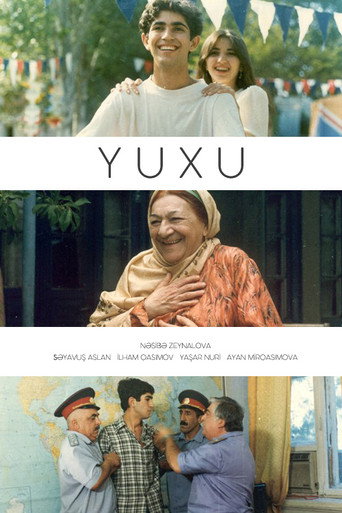
The Dream
A young man tells the dream he had about running away with the daughter of chief of police to his grandma. People spread and exaggerate rumors as if it was a real story until it reaches to the chief himself.
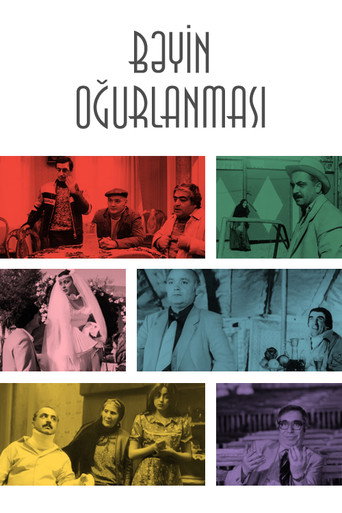
The Kidnapping of Groom
Being unable to shoot a film about Azerbaijani wedding customs, hopeless director decide to make a film about real wedding event. Though the stubborn father of bride resists approval the plan.
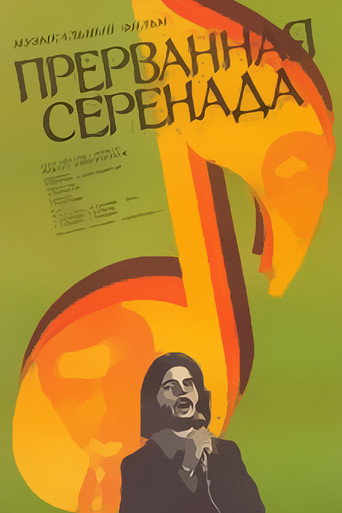
The Unfinished Song
The film tells the story of a singer who is devoted to his friends and attached to the stage, valuing this more than his talent, vocal skills, and training in opera from professionals.
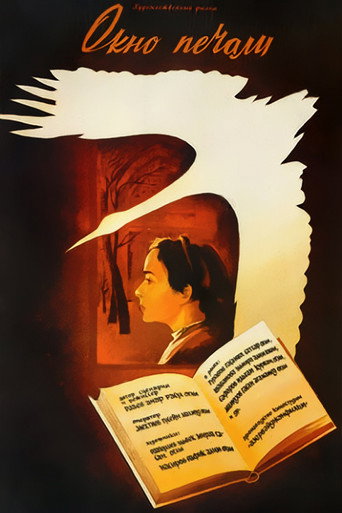
The Window of Sadness
Film about growing up in a small village in Azerbaijan.
Production
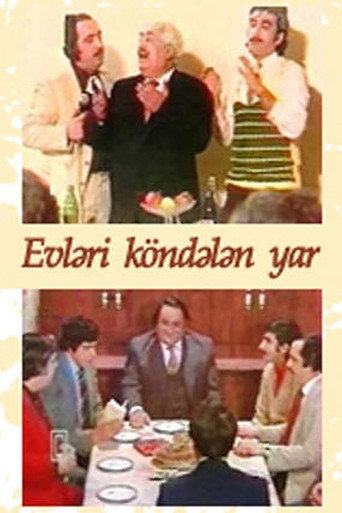
Evləri köndələn yar
In the film-play, events get tangled as a result of the lovers' miscommunication. Although the dramaturgical contradictions of the work are formed by various attitudes towards folk customs such as engagement and wedding, the play focuses on the contradictions of the characters, not the events.
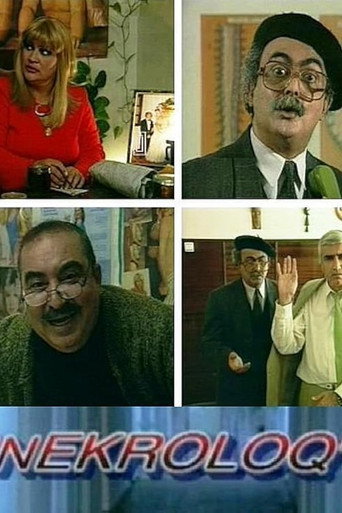
Obituary
The film follows the news of the illness of the institute's department head, Professor Abdulla, spreading throughout the institute with lightning speed. Shamil, who hears from Dr. Mamish that his condition is absolutely critical, begins to prepare an obituary for Professor Abdulla, and even appeals to other officials to have himself appointed to his position.
Part-time
After being demoted to a part-time role, the circus magician Zaman decides to teach the director a lesson.
Thank You
The teacher, who has the idea of getting married, cannot fulfill his wish due to poverty. In the end, he decides to make a belt from Soviet flags and earn money.
Gallery