Yalçın Yelence Movies, TV Shows, and Filmography
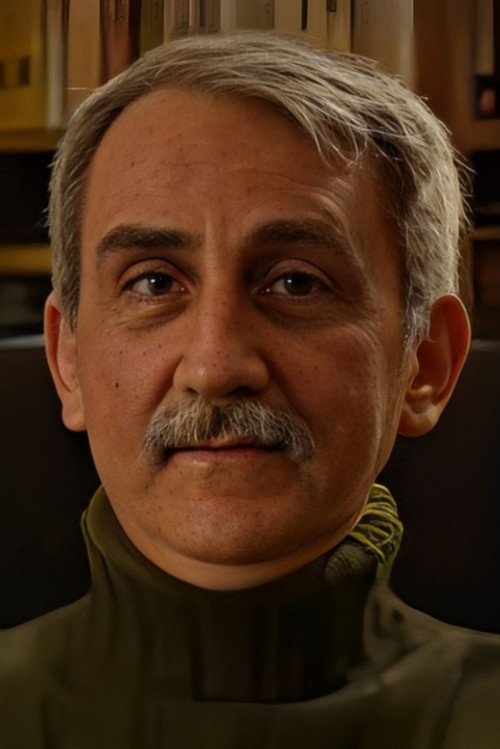
Yalçın Yelence
Directing
Biography
No biography available.
Filmography Movies
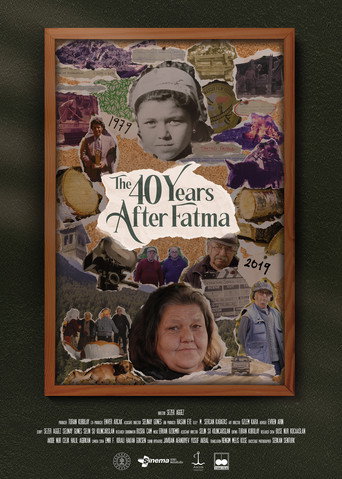
Production
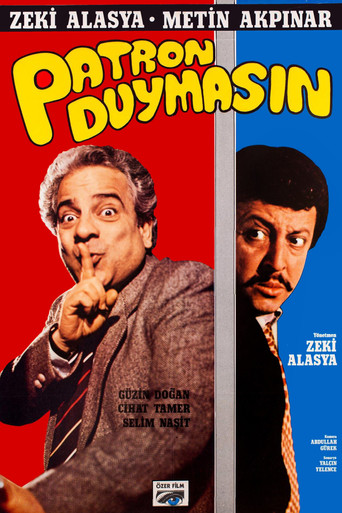
Patron Duymasın
A fun comedy about two young people working at the same place who fight back against their boss who treats his employees badly.
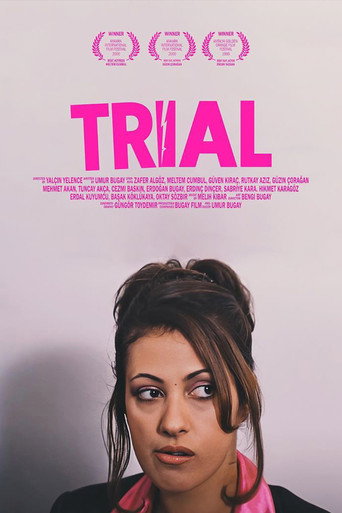
Duruşma
The story revolves around the beautiful Nazan, the neighbor's daughter, who manages to remain a virgin despite marrying two of the neighborhood's handsome men, Selami and Cavit; the fierce competition between Selami and Cavit for Nazan; the schemes orchestrated by Nazan's mother, Necla; and the neighbors' curious observation of these intriguing developments, their astonishment, and their simple reactions. Nazan's mother Necla's schemes; the neighbors' curious observation of these intriguing developments, their astonishment, and the sudden media attention their simple lives receive, all told in a humorous tone.
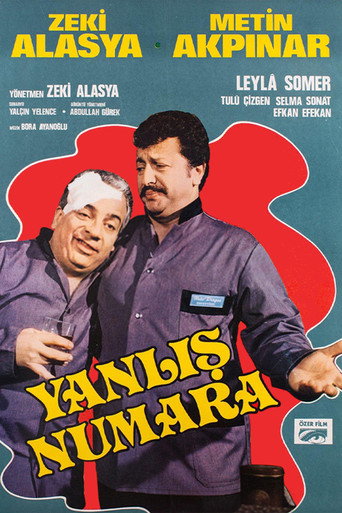
Yanlış Numara
Police officer Erol is assigned to track down a gang involved in the smuggling of historical artifacts. He begins working as a laborer at the hotel where a woman named Karen, who is connected to the gang, is staying. Sami, whom he meets and befriends among the hotel staff, falls in love with Karen. This complicates Erol's job. While tracking Karen, Erol will also have to deal with Sami.
Babba
A comedy that intertwines hilarious and extraordinary situations, particularly amusing in certain parts, and worth watching.
Babba
A comedy that intertwines hilarious and extraordinary situations, particularly amusing in certain parts, and worth watching.
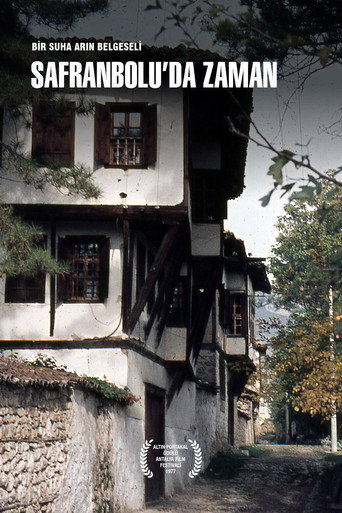
Safranbolu'da Zaman
In 1976, Suha Arin was a tutor at the faculty of Social Sciences of Ankara University at the Press and Publishing Department (today's Communication Faculty). Like many of his films, the documentary "Safranbolu: Reflections of Time" was filmed with the help of a group of enthusiastic students. Safranbolu presents some of the few surviving examples of striking traditional Turkish architecture. The beauty of houses as well as the negative impacts of the passage of time are reflected in the documentary "Safranbolu: Reflections of Time" one of the aims of the film was to raise public awareness of the need for protection for culture and nature.
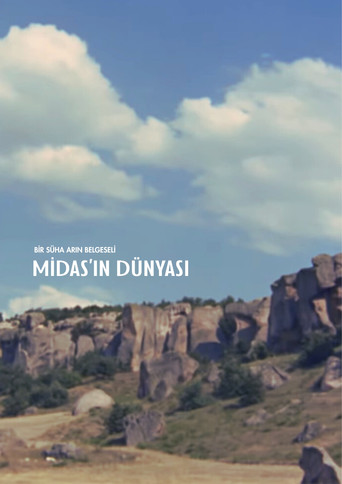
Midas’s World
Midas's World, a documentary depicting Phrygian art and culture, is the second installment in the "Traces of Anatolian Civilizations" series, produced by Suha Arın as a cultural service of the Turkish Touring and Automobile Association. The product of a year of intensive work, the documentary reveals that ancient Greek art and culture, known as the cradle of civilization, are actually rooted in earlier civilizations in Anatolia, particularly the Phrygians. For Midas's World, produced by Suha Arın and four students from Ankara University's School of Press and Broadcasting, all relevant sources, including museums displaying Phrygian artifacts and Phrygian settlements, were individually scrutinized.

The Unquenchable Fire of Lycia
The fourth film in the "Traces of Anatolian Civilizations" series, "The Unquenchable Fire of Lycia" consists of two 30-minute episodes. The documentary reflects the Lycian Civilization, another stop in the Anatolian people's civilizational evolution. Indeed, the Lycian Civilization is a "fire" that finds its historical continuity in the Anatolian people's resistance to independence. In a sense, it is a magnificent and unquenchable "fire." During the filming of the film, the Lycian region, located between Antalya and Fethiye, was meticulously scanned step by step in two separate seasons, consulting with expert scientists.
Gallery