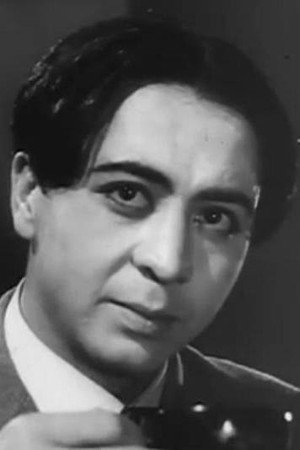
Acting
No biography available.
A film about the friendship between the workers of the Uzbek collective farm 'Leningrad' and the city of Lenin. This friendship has grown stronger and developed over more than four decades. The film takes us back to the distant and difficult 1920s, when the farmers of Fergana sent a wagon of fruits to the workers of the Putilov factory. In return, the workers gifted the collective farm two tractors and sent their representatives to help set up the new machinery.
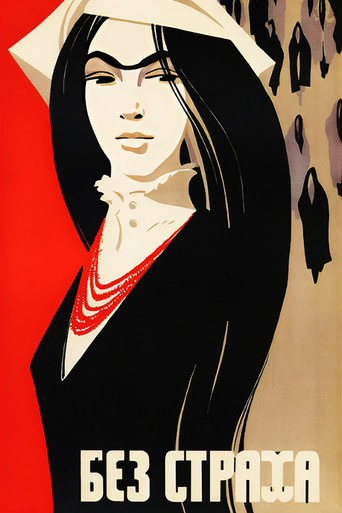
A Bolshevik army officer and Uzbek who has been nursed back to health by a young Uzbek woman to whom he is now married, gains responsibility for the local village in 1929. He is urged by comrades in Tashkent to have the local women drop their chadors and veils but he is also told that he should not force this on anyone. His wife declines to take off her veil, so a 14 year old girl steps forward to set the example, over the objections of the local Muslim clergy and most of the village men. After the girl is killed, and the commissar is shot, his wife takes him to the hills to nurse him back to health once again. She begs her husband to leave the village. Instead when he decides to return, she is pressured by her father to continue to wear the veil.
Based on Rabindranath Tagore's novel "Crash".
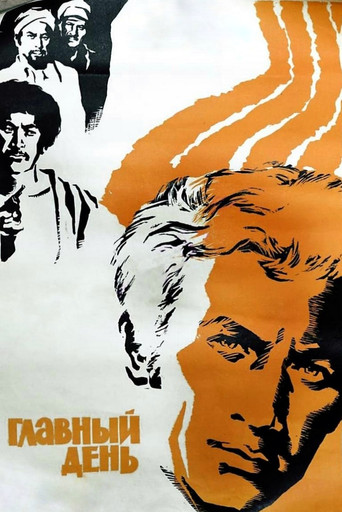
Yakov Koreshnikov, a border guard with extensive experience, is leading an operation to detain a group of foreign agents. Back in the 20s, he participated in the liquidation of the Basmachi gang. Then he first met the traitor Abzal. During the Great Patriotic War, Koreshnikov again had to face him. The saboteurs sent to the Turkestan highway area were then destroyed, but Abzal managed to escape. And here is their last meeting...
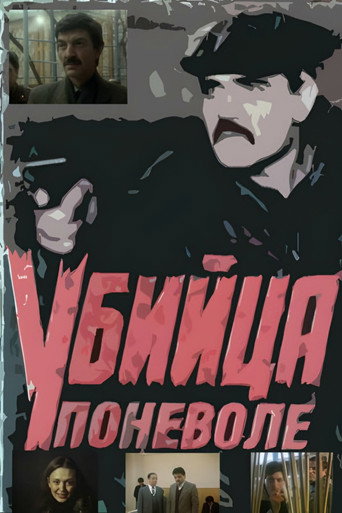
A man ends up in police custody after the death of a pimp who intended to kill a random female witness to his crime.
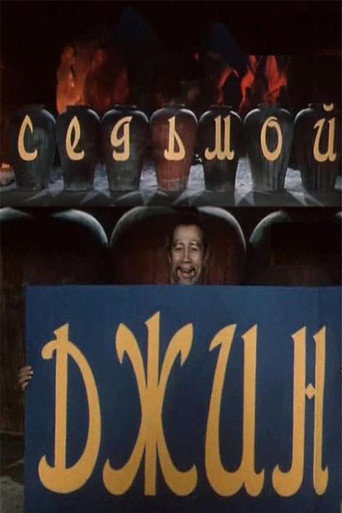
In some kingdom was inhabited by seven Genie. Six are evil and one is good. Good Genie, despite the machinations of evil, helped the potter Nabi cheat khan to give water to irrigate the land of the poor.
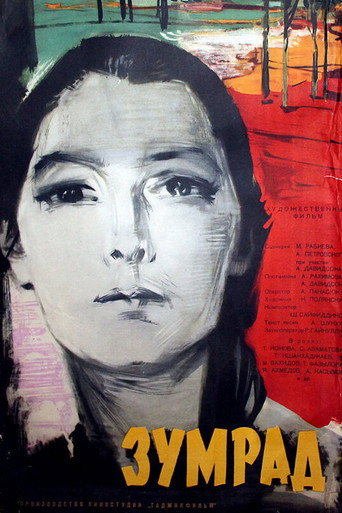
After graduating from school in his native village, Zumrad goes to Dushanbe to continue his studies at the institute. Soon she becomes the wife of a young professor Kadyrov. But her feudal husband wanted to lock her up in four walls, forced her to leave the institute. And after the birth of his daughter (and not his son), he became rude, insulted and beat his wife. Zumrad left him. After transferring to the correspondence department, she returned to the village. Not everyone welcomed the woman who arrived with a child without a husband. But kind people helped. Zumrad became a foreman, gained authority. She fell in love with her childhood friend Jalil, and he also reciprocates her feelings.
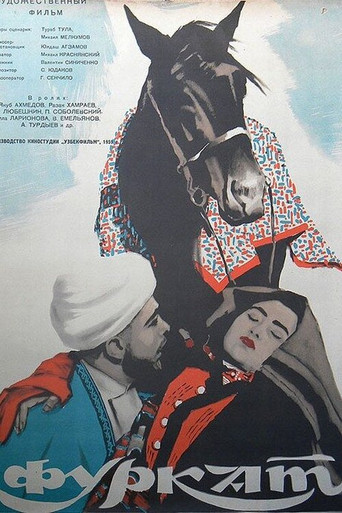
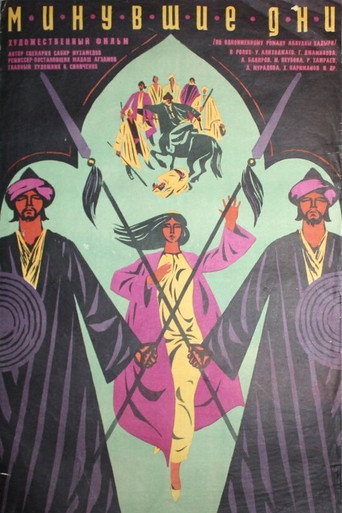
Two lovers are torn apart by the violence occurring among the feudal lords in early 19th century Tashkent.