Acting
No biography available.
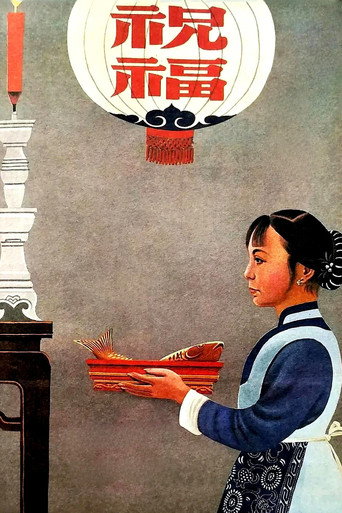
In a mountain hamlet in eastern China, a poor woman faces trial after trial. Sold into marriage as a child, she is left a young widow and enslaved by her mother-in-law, who sells her to a poor peasant. Her second marriage turns out to be happy until fate takes away her husband and son. Now seen as a bearer of bad luck, she becomes a social outcast.
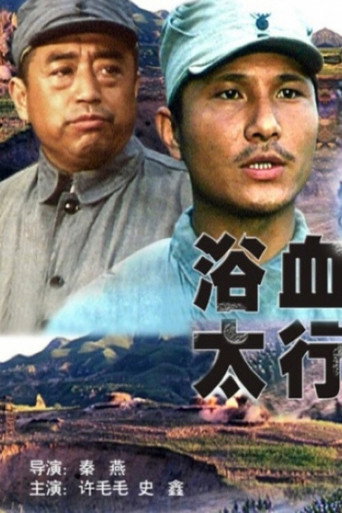
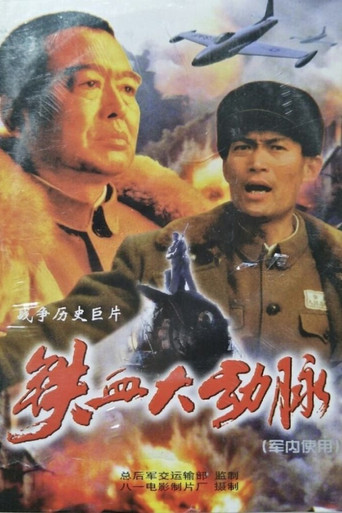
In the Korean War China and North Korea fought together against the United States. Frontline needs in tens of thousands tons of military supplies every day. Railways has become the most important means of transport. The U.S. Army, unwilling to accept defeat on the battlefield, mobilized a large number of aircraft to bomb indiscriminately along railways, and carried out the so-called "war of attrition". Following the order of Commander Peng Dehuai, Liang Junying, the commander of the Sino-DPRK Joint Railway Transport Command, led the volunteer warriors on the transport front to carry forward the fearless revolutionary spirit, building bridges, repairing railways, and transporting supplies in the "317" section, which was dotted with bombs and mines. This is the real "indestructible and bombable steel transport line".
The tale of one man who fought against the tyranny of a ruler and led his people in battle in the ultimate sacrifice for his country.
“Only One Earth” (只有一个地球) is a pioneering Chinese environmental documentary series presented in four parts. The project was produced by CCTV with support from state environmental authorities (then the National Environmental Protection Agency, now the Ministry of Ecology and Environment), but it did not pass censorship and was not permitted to air. (It was originally planned to premiere on the first celebrated Earth Day in China in 1990.) It approaches ecological crisis through an experimental, essayistic lens shaped by the concerns of reform-era Chinese intellectuals, confronting the toll of global industrialization. Directed by Chen Jue (a member of SWYC, the same collective behind the following year's banned Tiananmen series), Only One Earth uses literary, academic, and archival materials alongside a visual style influenced by experimental cinema.