Xavier Cugat Movies, TV Shows, and Filmography
Xavier Cugat
Acting
Biography
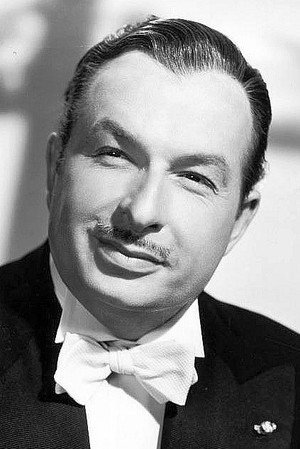
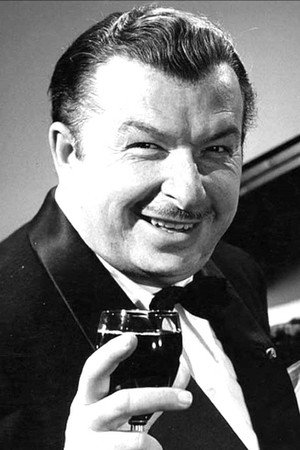
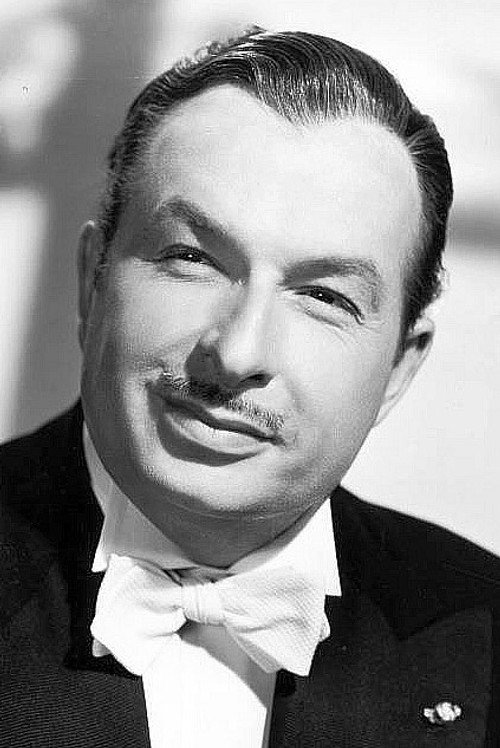
Xavier Cugat was a catalan musician and bandleader, born in Spain (Girona, 1 January 1900 – Barcelona, 27 October 1990) who spent his formative years in Havana, Cuba. A trained violinist and arranger, he was a leading figure in the spread of Latin music. In New York City, he was the leader of the resident orchestra at the Waldorf–Astoria before and after World War II. He was also a cartoonist and a restaurateur. The personal papers of Xavier Cugat are preserved in the Biblioteca de Catalunya (Barcelona). His family emigrated to Cuba when he was three years old. He studied classical violin and worked as a violinist at the age of nine in a silent movie theater to help pay for his education. He was first chair violinist for the Teatro Nacional Symphonic Orchestra. When he was not performing, he started drawing caricatures. On 6 July 1915 he and his family arrived in New York City on the SS Havana. Cugat appeared in recitals with Enrico Caruso, playing violin solos. In the 1920s, he led a band that played often at the Coconut Grove, a club in Los Angeles. Cugat's friend, Charlie Chaplin, visited the club to dance the tango, so Cugat added tangos to the band's performances.[5] Seeing how popular the dance was becoming, Cugat convinced the owner to hire South American dancers to give tango lessons. This, too, became popular, and Cugat made the dancers part of his orchestra. In 1928 he turned his act into the film Xavier Cugat and His Gigolos. He worked for the Los Angeles Times as a cartoonist. His caricatures were nationally syndicated. They appeared in Photoplay magazine beginning with the November 1927 issue, under the byline "de Bru." His older brother, Francis, was an artist of some note, having painted cover art for F. Scott Fitzgerald's novel The Great Gatsby. In 1931, Cugat took his band to New York for the 1931 opening of the Waldorf–Astoria hotel. He replaced Jack Denny as leader of the hotel's resident band. For sixteen years, he led the Waldorf-Astoria Orchestra (1933-1949), shuttling between New York and Los Angeles for most of the next 30 years.[8][9] One of his trademark gestures was to hold a Chihuahua while he waved his baton with the other arm. His music career led to appearing in the films In Gay Madrid (1930), You Were Never Lovelier (1942), Bathing Beauty (1944), Week-End at the Waldorf (1945), Holiday in Mexico (1946), A Date with Judy (1948), On an Island with You (1948), and Chicago Syndicate (1955). Cugat owned and operated the Mexican restaurant Casa Cugat in West Hollywood. The restaurant was frequented by Hollywood celebrities and featured two singing guitarists who would visit each table and play diners' favorite songs upon request. The restaurant began operations in the 1940s and closed in 1986. The restaurant's exterior and a fanciful depiction of its interior can be found in scenes in the 1949 film Neptune's Daughter in which Cugat has a substantial role playing himself. A brief scene revolving around the restaurant can also be seen in the earlier 1943 film The Heat's On, also starring Cugat as himself. Cugat spent his last years in Barcelona, living in a suite at Hotel Ritz. He died of heart failure at age 90 in Barcelona and was buried in his native Girona. He was posthumously inducted into the International Latin Music Hall of Fame in 2001.
Filmography Movies
Acting
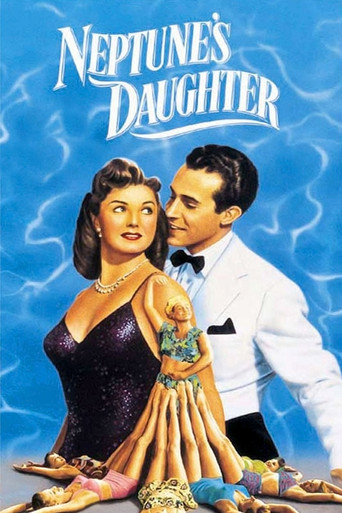
Neptune's Daughter
Scatterbrained Betty Barrett mistakes masseur Jack Spratt for Jose O'Rourke, the captain of the South American polo team. Spratt goes along with the charade, but the situation becomes more complicated when they fall in love. Meanwhile, Betty's sensible older sister Eve fears Betty's heart will be broken when Jose returns to South America. She arranges to meet with the real O'Rourke and love soon blossoms between them as well.
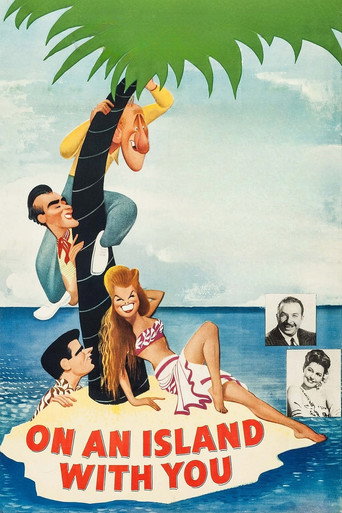
On an Island with You
A young navy lieutenant is brought in as technical adviser on a song-dance-and-swim film being made by screen star Rosalind Reynolds. Having once done a number with her at a Forces show, the young lad somehow believes she should be his girl. Her boyfriend is just one of those disagreeing.
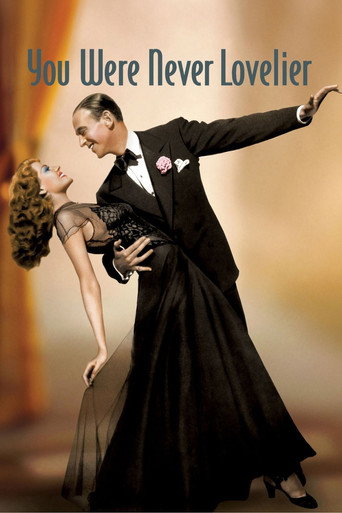
You Were Never Lovelier
An Argentine heiress thinks a penniless American dancer is her secret admirer.

Bathing Beauty
After breaking up with her fiancé, a gym teacher returns to work at a women's college, but a legal loophole allows him to enroll as one of her students.

The Phynx
A rock band is invented by the government as a cover to find hostages in a remote castle in Albania held by communist enemies of the USA.
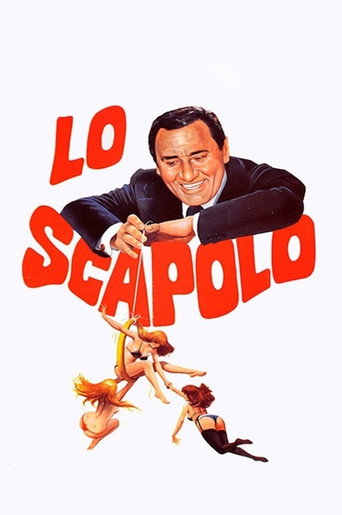
The Bachelor
Paolo Anselmi is a happily single man. He lives in a flat with a friend but is forced to leave when the friend gets married. He then goes to a boarding house where he flirts with a girl but ditches her when she proposes marriage. When he goes and visits his mother he finds out that she is also trying to find the right girl for him. Is he going to surrender this time?
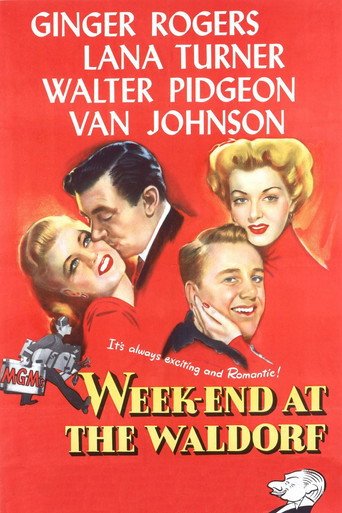
Week-End at the Waldorf
Anything can happen during a weekend at New York's Waldorf-Astoria: a glamorous movie star meets a world-weary war correspondent and mistakes him for a jewel thief; a soldier learns that without an operation he'll die and so looks for one last romance with a beautiful but ambitious stenographer; a cub reporter tries to get the goods on a shady man's dealing with a foreign potentate.
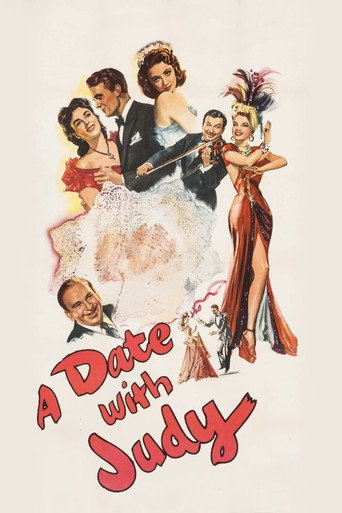
A Date with Judy
Best friends Judy and Carol compete for the affection of an older man during their high school dance. As Carol tries to rekindle Judy's relationship with Carol's bumbling brother, Oogie, Judy suspects that her father is having an affair with a beautiful dance instructor. The two girls team up to expose Judy's father -- who is only taking innocent dance lessons.
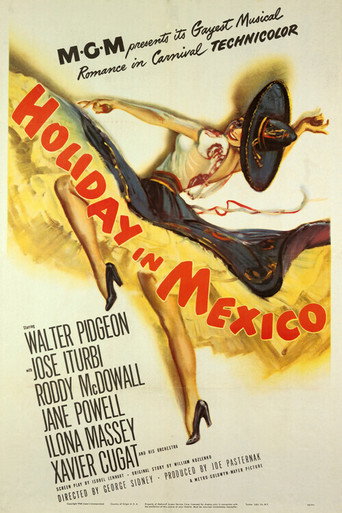
Holiday in Mexico
Christine Evans, the fifteen-year-old daughter of the widowed American ambassador to Mexico Jeffrey Evans, believes that she is no longer a young girl and that she has fully matured into adulthood. Eager to make her mark in the sophisticated world of foreign diplomats living in Mexico, Christine appoints herself as organizer of her father's social activities and takes over the planning of a big garden party he will be hosting. Because he loves his daughter,
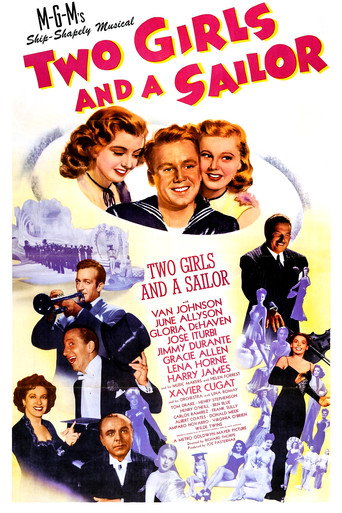
Two Girls and a Sailor
A sailor helps two sisters start up a service canteen. The sailor soon becomes taken with gorgeous sister Jean, unaware that her sibling Patsy is also in love with him.
Production

The Lash
A nobleman returns home to Southern California after the Mexican American War to find his people mistreated by unscrupulous Americans.
Charros, gauchos y manolas
The magazine "Paintings of the People" initiates a contest to select the best watercolor painting of ethnic peoples and customs. A hungry bohemian painter invokes his muse to help him to produce the winning painting, and when he experiments with scenes set in Mexico, Argentina and Spain, his paintings come to life. In Xochimilco, Mexico, a young bachelor has a drunken dream that his girl friend is performing Josephine Baker's famous banana dance in a Parisian nightclub. In Buenos Aires, an Italian and a Galician are rivals for the affections of a Creole girl. At the other side of the Hispanic world, a Sevillian girl tells of her tragic romance with a matador, who obstinately continues to appear in the ring despite having been injured.
Charros, gauchos y manolas
The magazine "Paintings of the People" initiates a contest to select the best watercolor painting of ethnic peoples and customs. A hungry bohemian painter invokes his muse to help him to produce the winning painting, and when he experiments with scenes set in Mexico, Argentina and Spain, his paintings come to life. In Xochimilco, Mexico, a young bachelor has a drunken dream that his girl friend is performing Josephine Baker's famous banana dance in a Parisian nightclub. In Buenos Aires, an Italian and a Galician are rivals for the affections of a Creole girl. At the other side of the Hispanic world, a Sevillian girl tells of her tragic romance with a matador, who obstinately continues to appear in the ring despite having been injured.
A Date with Judy
Best friends Judy and Carol compete for the affection of an older man during their high school dance. As Carol tries to rekindle Judy's relationship with Carol's bumbling brother, Oogie, Judy suspects that her father is having an affair with a beautiful dance instructor. The two girls team up to expose Judy's father -- who is only taking innocent dance lessons.
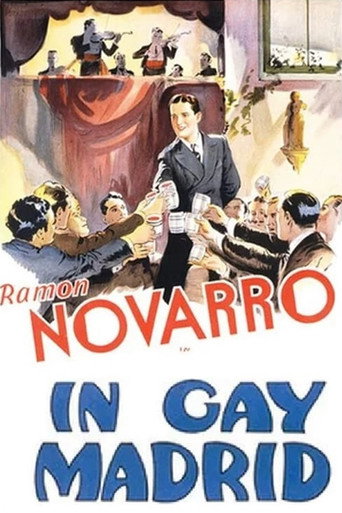
In Gay Madrid
Ricardo, a young law student in his home town of Madrid, is a carefree playboy who loves nightclubs and courting pretty girls. His father hopes to instill a more serious attitude in his son by transferring him to a school in the rural town of Santiago. At Santiago, his father's old friend is to be his guardian. When Ricardo arrives at Santiago he joins a fraternity, and continues his carefree lifestyle while serenading and courting his guardian's daughter, Carmina.
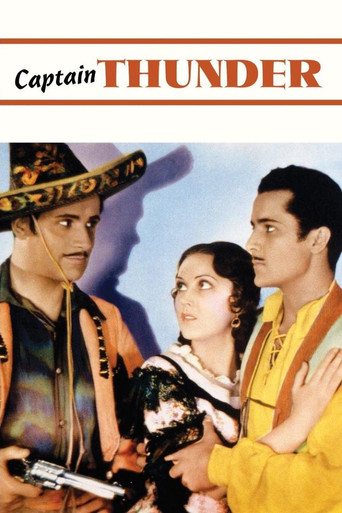
Captain Thunder
A notorious Mexican bandit goes all soft and mushy when he falls for a beautiful senorita. Warner Bros.' Captain Thunder contains some of the darndest Mexican accents you've ever heard in your life. The star is Hungarian-born Victor Varconi, portraying a legendary south of the border outlaw who tries to force Canadian senorita Fay Wray to marry a rival rustler whom she despises. She pleads with the bandito so pathetically that he is moved to grant her a single wish. Without hesitation she chooses her poor but true love. The bandit king, being a somewhat honorable fellow grants the wish and without a twitch, guns down the wicked cattle thief. Fortunately the film was played for comedy, a wise decision since it probably would have garnered laughs as a straight drama anyway.
Gallery