Writing
No biography available.
This is not merely another film about cinema history; it is a film about the love of cinema, a journey of discovery through over a century of German film history. Ten people working in film today remember their favourite films of yesteryear.
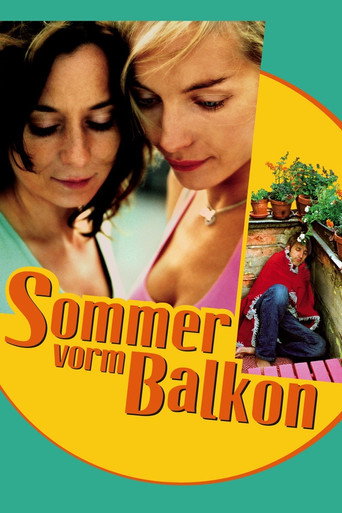
An intimate study of two women friends who come to each other because of troubles with everyday life and with men and thus try to enjoy a life based on their ideas.
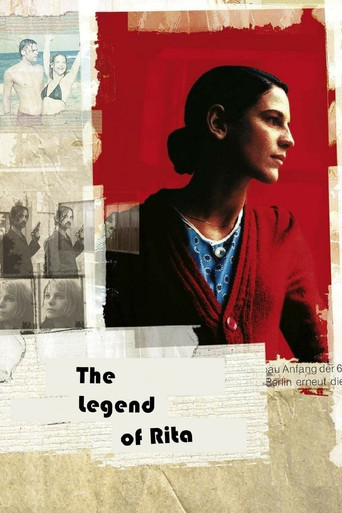
Radical West German terrorist Rita Vogt abandons the revolution and settles in East Germany with a new identity provided by the secret service. She lives in constant fear of having her cover blown.
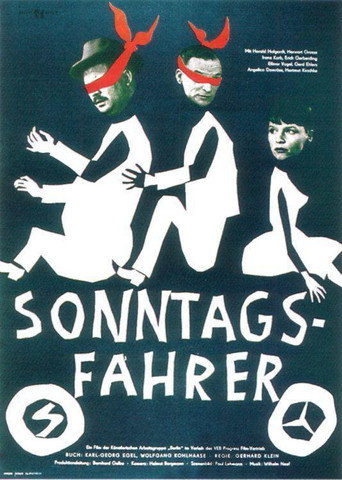
On August 12, 1961, eight people in three cars set off for Berlin from Leipzig. They want to go to the West. The initiator is the philistine Spiessack, who drives the others, who have embarked on the adventure with mixed feelings. It becomes a journey with numerous incidents and panic, which causes the different characters to clash. When they finally arrive in Berlin the next day, they are not allowed to cross the border. The only option is to return. At home, Spiessack is met by a policeman in his living room - with the slogan "We'll be back" written on the wall.
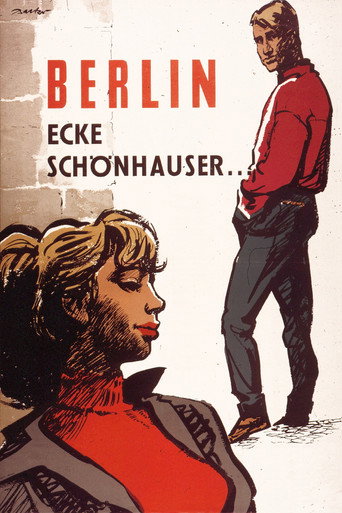
The corner Schönhauser Allee in East Berlin is the main meeting-point for a group of adolescents. Dieter is a construction worker who falls in love with Angela. She, in turn, spends time with the clique whenever her mother is occupied with her new lover. "Kohle" stays away from home to avoid his dad's alcohol problem, and Karl-Heinz is on his way to becoming a small-time criminal. Due to their interest in western music and culture they are regarded as no-goods and rowdies. Things get interesting when an incident forces Dieter and "Kohle" to escape to West Germany. Written by c.winter
Frank and Paul are best friends forever and raised Frank's daughter Lilli after a tragic car accident. The two men scrape a living by working as barmen and bouncers in a strip club while Lilly has grown into a lively and self-confident teenager. The disaster unfolds when Lilli seduces Paul and gets pregnant.
Ling, in his 20s, lives in Chongqing, the largest city in China. There she meets Yu, a Chinese business traveler who lives in Berlin. As a farewell, he has given her an iPhone. They start a tender relationship by phone. When Ling flies to Berlin to see Yu, another man, Marco, is waiting for her. He is Yu's German bodyguard. He should take care that Ling flies back again.
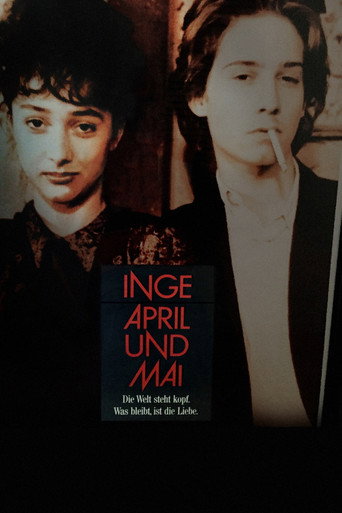
While everything is in ruins in Berlin in the spring of 1945, the British bombers are flying overhead and the Red Army is not far away, 15-year-old Kalle is not particularly interested in doom or final victory - because he has kissed Inge Kaliska and he knows that he loves her. At this moment in world history, nothing carries as much weight as this first love.
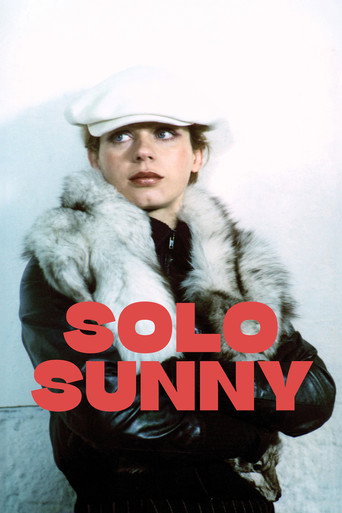
Sunny is the singer of band trying to establish itself in the music-scene of East-Berlin. They play regular gigs in small towns, but Sunny feels out of touch with the audience and her life as a whole. She begins a relationship with the amateur saxophonist and studied philosopher Ralph who writes her a very personal song - but his obsession with death and unfaithful lifestyle is not for her. After getting into a quarrel with a band member who harasses her and telling off a show-host she is thrown out of the band. Abandoned, she struggles to regain control over her life.
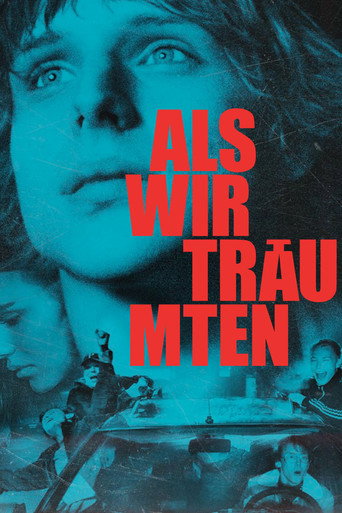
Andreas Dresen's adaptation of Clemens Meyer's novel about a group of East German friends right after the fall of the Wall.
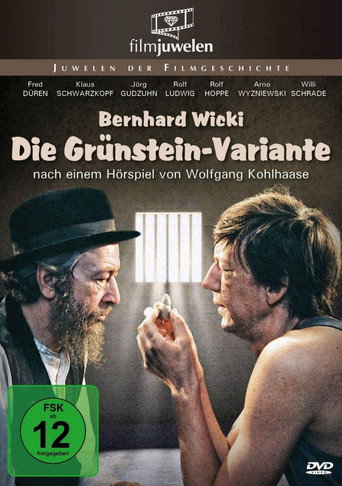
The plot revolves around three men waiting to be deported in a prison. To escape the monotony, they form chess pieces from their bread rations, with which they then play against each other. Grünstein, a Polish Jew, proves to be a real talent, because although he is a beginner, he manages to defeat even the experienced player Lodeck, a German sailor, with his "Grünstein Variant".