Wolf Koenig Movies, TV Shows, and Filmography

Wolf Koenig
Production
Biography
Wolf Koenig (October 17, 1927 – June 26, 2014) was a Canadian film director, producer, animator, cinematographer, and a pioneer in Direct Cinema at the National Film Board of Canada. Born in Dresden, Germany, Koenig emigrated to Canada with his family in 1937, when they fled Nazi Germany. They settled in 145-acre (0.59 km2) farm along the Grand River, outside what is now known as Cambridge, Ontario. In 1948, a local representative for the Canadian department of agriculture needed the family's tractor to demonstrate a new tree-planting machine. As the young Koenig pulled the machine across a field, he noticed a small film crew from the NFB's former agricultural film unit, recording the demonstration. After filming was complete, he approached the men, who included director Raymond Garceau, and told them he loved films, especially animation, and hoped to work in filmmaking. They suggested he send in a job application and approximately six weeks later he received a letter offering him the position of a junior splicer for $100 per month. His younger brother Joe Koenig was also a filmmaker.
Filmography Movies
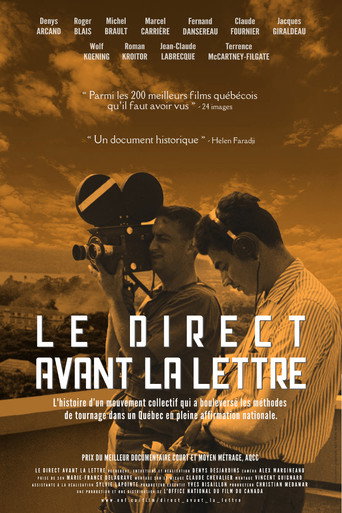
Production
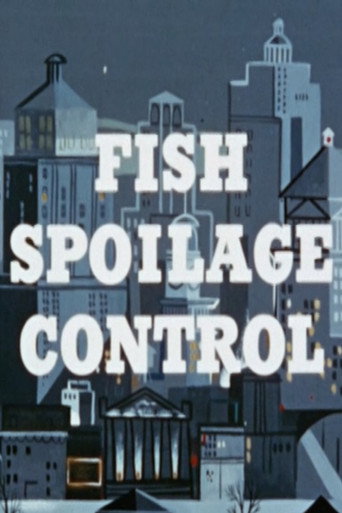
Fish Spoilage Control
In UPA-esque animation, the NFB entertainingly explains the causes of fish spoilage and the steps required to keep today's catch fresh until it reaches your dining room table.
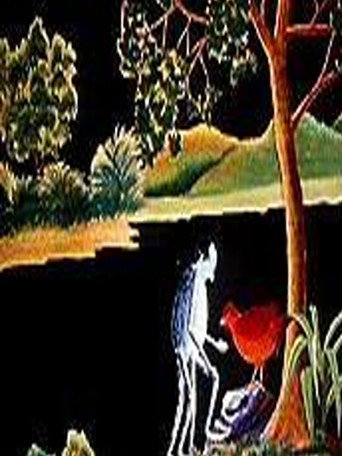
Ananse's Farm
Ananse is a spider with a heart full of concern over the enmity existing between his friends. Instead of mediating in a straightforward way, he devises a scheme using a little deception to bring his friends to amicable terms. The moral of this folktale from Ghana is that employing the wrong means to an end brings undesired consequences, no matter how right the motive.
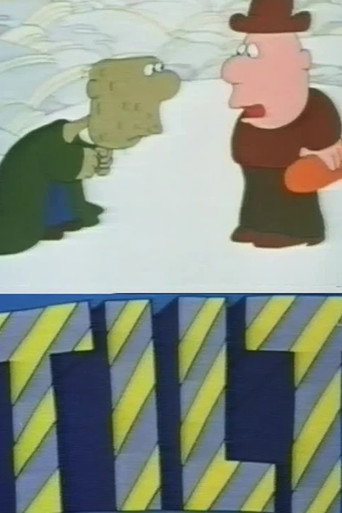
Tilt
Witty cartoon in a popular idiom about the serious issues that face the world: overpopulation, starvation, and people’s selfishness when confronted with these. Is there any possible solution? A good discussion starter, as relevant now as it was when made.
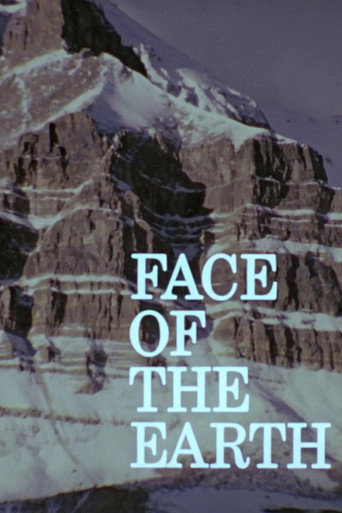
Face of the Earth
Face of the Earth explores the origin of our planet's outer layer, the why-and-how of its mobility. Through the use of well-designed diagrams, the earth's cyclical activity is clearly explained. Some unusual footage on volcanoes gives added punch to an already absorbing subject.

Steeltown
A portrait of Hamilton, the Pittsburgh or Birmingham of Canada. This is a rich and colourful subject that encourages imaginative treatment on the screen. The heart of the city is the immense complex of furnaces and rolling mills, but nearby are the lake, the mountain, and the rich fruit farms. How the work of the steel mills touches the city and its surroundings is shown in many views during both day and night.
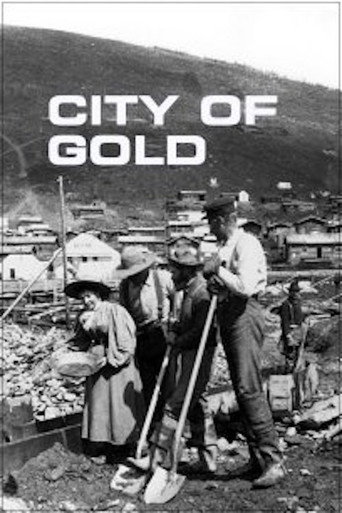
City of Gold
Classic short film depicts the Klondike gold rush at its peak, when would-be prospectors struggled through harsh conditions to reach the fabled gold fields over 3000 km north of civilization. Still photographs juxtapose Dawson City today against its bustling height in the gold rush.

Lonely Boy
This short film portrays the story of singer Paul Anka, who rose from obscurity to become the idol of millions of adolescent fans around the world. Taking a candid look at both sides of the footlights, this film examines the marketing machine behind a generation of pop singers. Interviews with Anka and his manager reveal their perspective on the industry.
John Cat
Three native Canadians find a boy on the side of a highway who had been struck by a speeding driver.
John Cat
Three native Canadians find a boy on the side of a highway who had been struck by a speeding driver.
John Cat
Three native Canadians find a boy on the side of a highway who had been struck by a speeding driver.
Gallery