Camera
No biography available.
Two novels united by common characters and a never-settled problem: the clash between sincerity of children and the heartless pragmatism and ambitions of grown-ups.
A documentary about the Katyn massacre, which the Soviet authorities kept silent about both during World War II and for several decades afterwards.
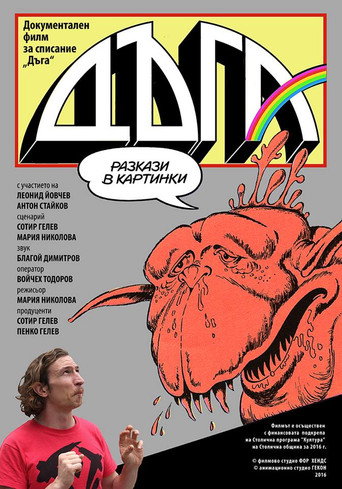
The film is a study of a cultural phenomenon. In the midst of socialism - 1979 - in Bulgaria appears a magazine advocating Western influence – the comics art. “DAGA” exists for more than ten years and has a huge circulation – 300,000. This is a unique comics magazine, not only in Bulgaria but throughout the former Soviet bloc. Some of the series and the characters are still living today in the minds of the readers, shaping their personalities.
Ula, a young girl from a small town in Poland is kidnapped and taken to a brothel in Germany. Luckily she manages to escape and return home. However, the welcome she receives is far from warm, as the girl is ostracised by the local, conservative community.
A corrupt young man somehow keeps his youthful beauty, but a special painting gradually reveals his inner ugliness to all.
After his mother's death, Ivo, a 13 year old boy, develops super sensitivity along with his big imagination and difficult character. He runs away from his home and forms a friendship with the unemployed Ivan, who turns into his guardian angel.
The film depicts the incredible metamorphosis of a clerk whose sense of identity and pride are reawakened by an unexpected development.
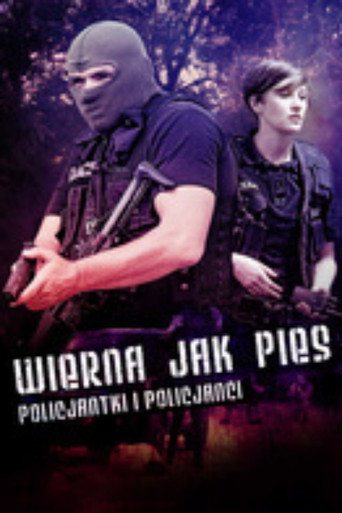
Police officers from Wroclaw discover that a shaykh is operating in Poland to smuggle cocaine. Meanwhile, the gangsters give Constable Wysocka an ultimatum.
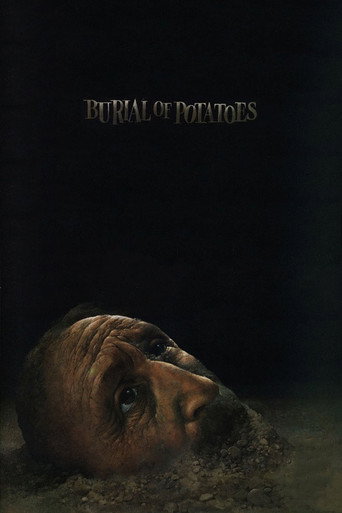
Set in 1946, the film tells a story of a Polish villager returning home after years in a concentration camp. Mateusz is an old-timer, a saddler, who finds nothing but hostility when he makes it home after years away. He is not a Jew, though the villagers brand him one and give him a hard time. They feel guilty about the death of his son at the end of the war, and don't want the father around. In the background: beginnings of the Communist regime in Poland.
In the documentary Magdalena Łazarkiewicz used a lot of archive material with her husband, who talks about his professional path and his true fascination with cinema.