Directing
No biography available.
A biographical documentary on Edward Zebrowski, a director, screenwriter, and educator. The film draws from his notes, revealing his thoughts on illness and history as human fate. Friends from the Film School in Lodz and the TOR Film Group, including Wojciech Marczewski and Agnieszka Holland, discuss his legendary status as a scandalmonger and thinker. His wives, Barbara Lisowska and Magdalena Jaworska, share intimate details of his life. Students Agnieszka Smoczynska and Adrian Panek speak respectfully of him. Zebrowski’s biography is complemented by excerpts from his school works and original films, with scenes featuring him in Zanussi’s films like “The Illumination.” Directed by Maria Zmarz-Koczanowicz, the documentary captures a reflective and nostalgic atmosphere, reflecting Zebrowski’s mature life and sense of lost opportunities.
A drama set in the year 1516 in Tuscany. Niccolo Machiavelli, stripped of office, remains in exile awaiting his return to favor by the new duke. When this moment finally arrives, Machiavelli discovers himself to be the victim of a plot hatched by the duke.
Set before the first World War in part of Poland under Austrian occupation, the story of a young boy in primary school who later grows up to become a rebellious, poetic-minded teen in the same school when the national movement toward liberation is under way. The story of a country where church and state work together to suppress the human spirit.
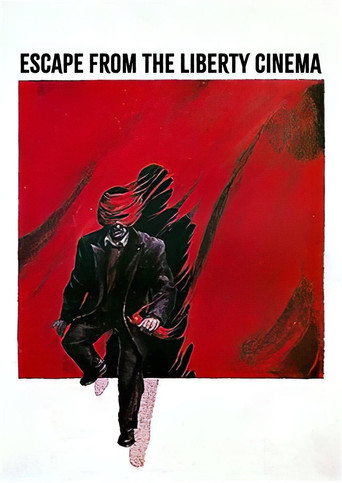
The screening of a movie "Daybreak" at the "Liberty" Cinema is interrupted by an unusual event - actors come to life on the screen, start conversations among themselves, draw the audience into them. Crowds gather around the cinema, the relevant authorities and services wonder what to do in this complicated situation. Also arriving is the censor, a man reaching his fifties, a one-time literary critic and journalist. The line between fiction and reality begins to blur.
A boy comes of age under an oppressive, cruel socialist government and watches as it slowly but surely distorts his family, his school and even his own thoughts.
The Ursus factory once covered 170 hectares and employed 20,000 workers, producing 100 tractors a day. Now, its buildings stand derelict and empty; half have already been demolished by investors with new plans. The symphony of mechanical sounds and gestures that is gradually built up throughout the film is produced by former factory employees. Proud of their factory, they reminisce about the huge numbers of people and the parties they had. They were a community, passionate about supporting agriculture through their factory. The Ursus tractor was well-known, not only in Poland but throughout the world.
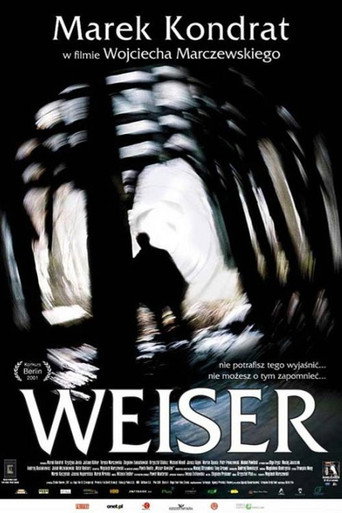
The film is based on the well-known, translated into many languages novel of writer Pawel Huelle. It is imbued with nostalgia and the atmosphere of mystery story of a group of children, fascinated by the figure of a man named David Weiser.
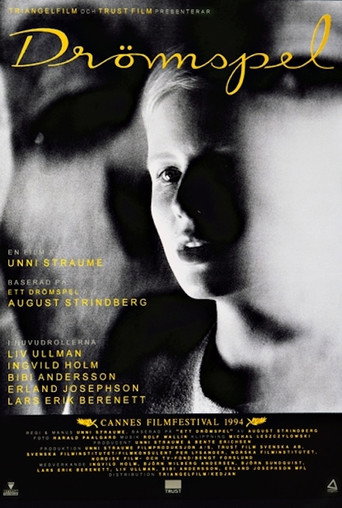
Hindu god Indra has a daughter Agnes, who visits Earth to find out if people have legitimate complaints. She marries a lawyer from Bergen and has children, but is disillusioned by marriage and embarks on a journey among men.
A small village during the period of agricultural reforms in 1945. The two protagonists, a terminally ill count and his housemaster, engage in a private game that consists of artificially maintaining the social hierarchy which reigned here for centuries.