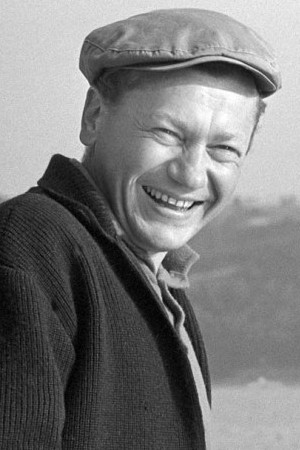
Wojciech Has Movies, TV Shows, and Filmography
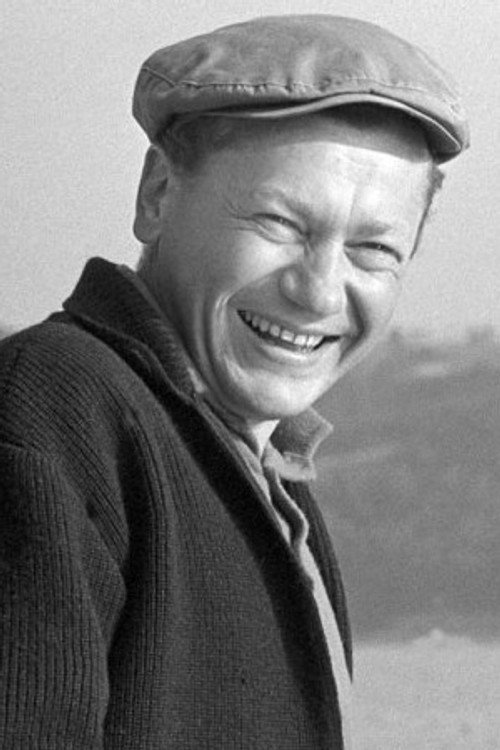
Wojciech Has
Directing
Biography
Wojciech Jerzy Has was a Polish film director, screenwriter and film producer. Wojciech Jerzy Has was born in Kraków, with Jewish origin on his father's side, and Roman Catholic on his mother's. During the wartime German occupation of Poland, Has studied at the Kraków Business and Commerce College and later clandestine underground classes at the Kraków Academy of Fine Arts - until it was disbanded in 1943. When the war ended, he went on to study at the reconstituted Academy of Fine Arts in Kraków. In 1946, Has completed a one-year course in film and began producing educational and documentary films at the Warsaw Documentary Film Studio, and in the 1950s moved on to work at Poland's premier filmmaking academy, the National Film Studio, in Łódź. Has made his debut with Harmony (Harmonia, 1948), a medium-length feature, and began making full-length feature films in 1957. In 1974, he was appointed as professor in the directing department at the National Film School in Łódź. Throughout his long and prolific career, he directed such notable films as The Saragossa Manuscript, The Doll and The Hour-Glass Sanatorium (also known as The Sandglass). Early on in his career, Has gained a reputation as an individualist who avoided political overtones in his art. He produced his most important films throughout the period when the Polish Film School was at its most prominent; however, his work possessed its own stylistic feeling that was independent of the over policial themes that dominated the prevailing Polish School. In practically every film, Has sought to create hermetic environments, in which the problems and storylines of his protagonists were always of secondary importance to the particular world he had created, characterized by an accumulation of random objects that formed unique visual universe. Has's oeuvre is commonly associated with Surrealist painting in Polish criticism. This is reinforced by the director's dream poetic and his use of objects, which are also characteristic of many canvasses by the Surrealists. Has also created a number of intimate psychological dramas during his career, such as How to Be Loved and Farewells, focusing on damaged individuals who have difficulty settling into life. In his work, he was fascinated by outsiders and people incapable of finding their place in reality. Two currents remain evident in Has's output: one was his cinema of psychological analysis, the other his films of visionary form, in which he most often used the motif of a journey. From Wikipedia, the free encyclopedia
Filmography Movies
Acting

Gold Dreams
The inability of a truck driver to relate to normal life after an accident for which he feels himself responsible.
Polish School
The documentary talks about the origins, development and achievements of the Polish film school. People from the environment of the "Filmówka" in Łódź, among others. Wanda Jakubowska, Jerzy Kawalerowicz, Antoni Bohdziewicz, Janusz Morgenstern or Kazimierz Kutz. The film is richly illustrated with archival materials and the first films of the school. The beginnings of the Łódź Film Festival begin in Krakow with the Young Film Workshop; On May 6, 1945, at Józefitów 16 production facility of the Polish Film Production Company, an inaugural meeting is held. After numerous transformations, in July 1946 the Young Film Workshop and the Film Training Course began activities, which can be considered as the beginning of state film education in post-war Poland. The later fate of the school is already connected with Łódź; July 16, 1948, the act of establishing the Film School was signed.
Description Found Years Later
A multi-dimensional portrait of one of the most distinctive artists in the history of Polish cinematography. Wojciech Jerzy Has always hovered over the line where the mainstream met the avant-garde and his biography was marked by moments of artistic triumphs and personal tragedies.
Production
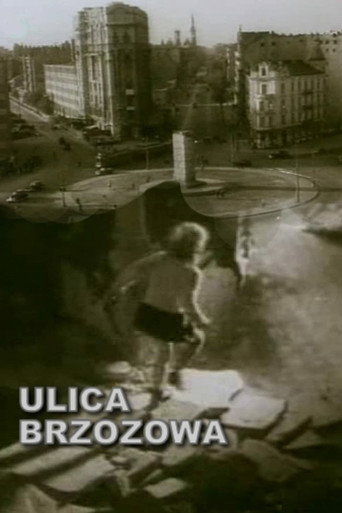
Brzozowa Street
Battered Warsaw is getting back to life after the WW2 destruction. The ruins of the Old Town become homes once again.
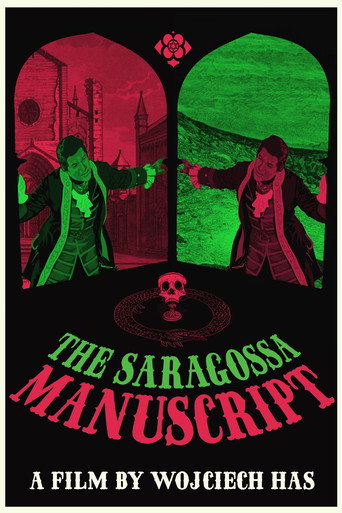
The Saragossa Manuscript
During the Napoleonic wars, a Spanish officer and an opposing officer find a book written by the former's grandfather.
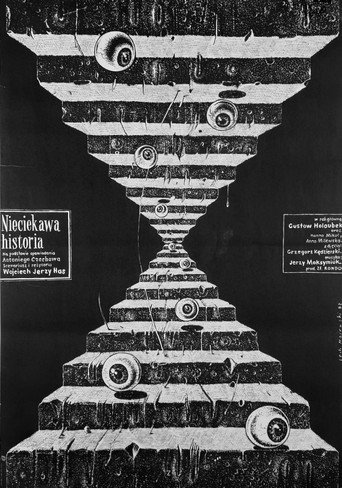
An Uneventful Story
A well-known professor of medicine finding himself at the threshold of autumn of his life, takes stock of his achievements and experiences. "In the end it ends with what has been known for a long time: that conscious life without a fixed worldview is not life, but torment, horror. - wrote Anton Chekhov in one of his letters summarizing "An Uninteresting Story". The protagonist, Professor Nikolai Stepanovich, is a character characteristic of Chekhov's entire oeuvre - a Russian intellectual from the late nineteenth century, depressed by boredom and a sense of his own uselessness and the meaninglessness of his existence.
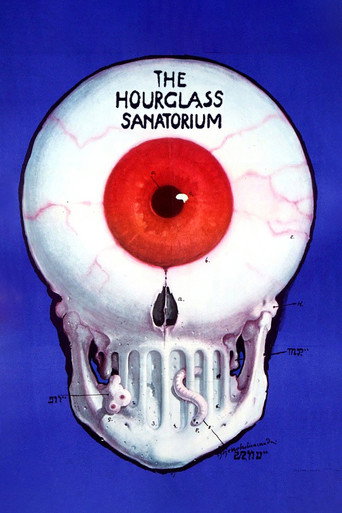
The Hourglass Sanatorium
Jozef visits a dilapidated Sanatorium to see his father. Jozef undertakes a strange journey through the many rooms of the sanatorium, each which conjures worlds composed of his memories, dreams and nightmares.
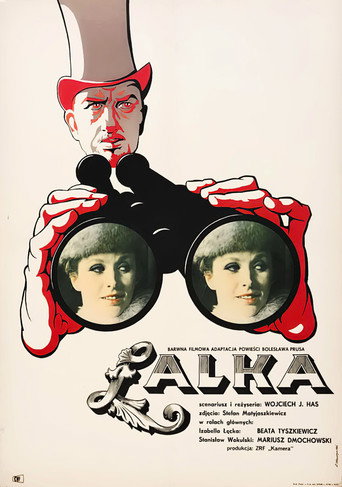
The Doll
Set in the 19th century Warsaw. The indolence of aristocrats who, secure with their pensions, are too lazy to undertake new business risks, frustrates Wokulski. His ability to make money is respected but his lack of family and social rank is condescended to. Because of his "help" (in secret) to "the doll's" impecunious but influential father, the girl becomes aware of his affection.
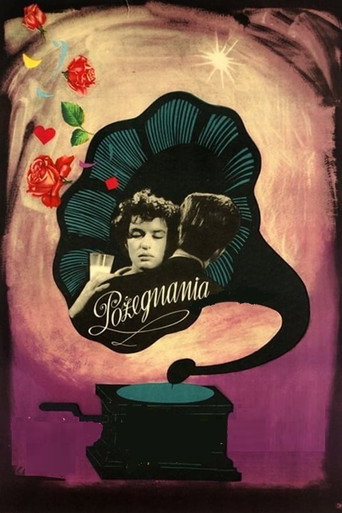
Farewells
The story takes place before World War II and centers on Pawel, a member of a conservative, middle-class family, and his love for Lidka, a taxi dancer. Social conventions and the lovers' inability to defy those forces Pawel and Lidka benefit. Times change, war breaks out, leading to Pawel sent to Auschwitz while Lidka marry his cousin. Their love has survived and conventions are no longer the issue.
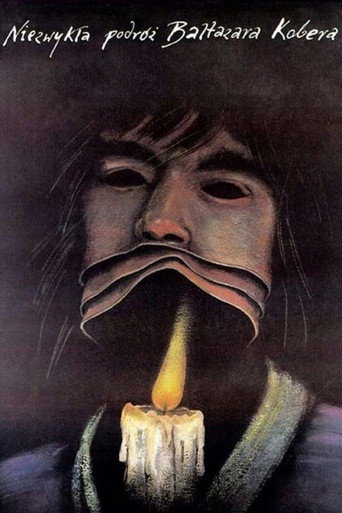
The Tribulations of Balthazar Kober
Story about the young Balthazar thrown from one remarkable event to the other. On his way through a plague hit the landscape, he meets the Kabbalists, priests - and himself.
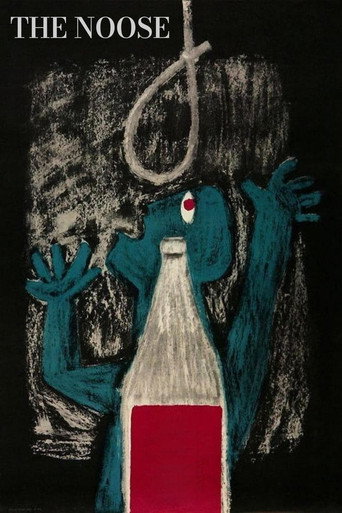
The Noose
A day in the life of an alcoholic. With the help of his girlfriend Krysia, Kuba attempts to regain control of his life.
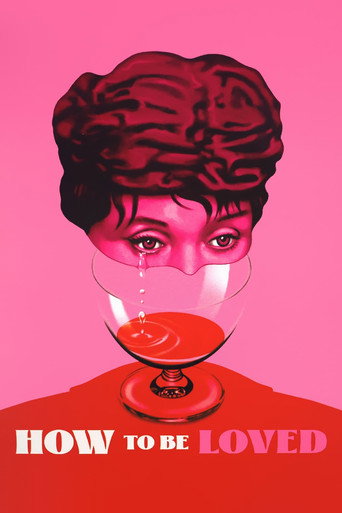
How to Be Loved
An actress travels from Warsaw to Paris and during the trip reflects on the last few years of her life. It goes back to the German occupation and her hiding of a fellow actor who has supposedly killed a collaborator.
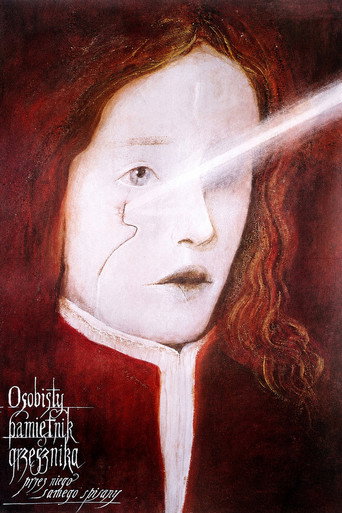
Memoirs of a Sinner
A recently resurrected corpse recounts his life story, focusing on his strange relationship with a murderous alter-ego.
Gallery