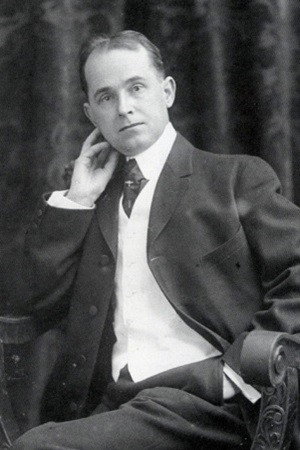
Winsor McCay Movies, TV Shows, and Filmography
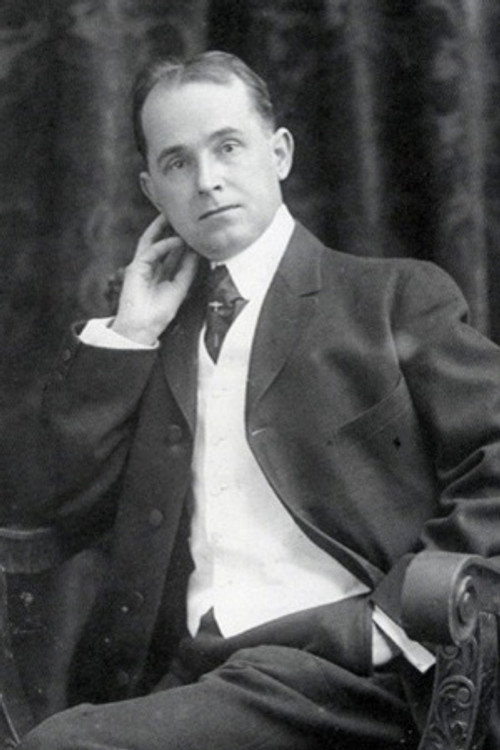
Winsor McCay
Directing
Biography
Zenas Winsor McCay (c. 1866–71 – July 26, 1934) was an American cartoonist and animator. He is best known for the comic strip Little Nemo (1905–14; 1924–26) and the animated film Gertie the Dinosaur (1914). For contractual reasons, he worked under the pen name Silas on the comic strip Dream of the Rarebit Fiend. McCay was an early animation pioneer; between 1911 and 1921 he self-financed and animated ten films, some of which survive only as fragments. The first three served in his vaudeville act; Gertie the Dinosaur was an interactive routine in which McCay appeared to give orders to a trained dinosaur. McCay and his assistants worked for twenty-two months on his most ambitious film, The Sinking of the Lusitania (1918), a patriotic recreation of the German torpedoing in 1915 of the RMS Lusitania. Lusitania did not enjoy as much commercial success as the earlier films, and McCay's later movies attracted little attention. His animation, vaudeville, and comic strip work was gradually curtailed as newspaper magnate William Randolph Hearst, his employer since 1911, expected McCay to devote his energies to editorial illustrations. In his drawing, McCay made bold, prodigious use of linear perspective, particularly in detailed architecture and cityscapes. He textured his editorial cartoons with copious fine hatching, and made color a central element in Little Nemo. His comic strip work has influenced generations of cartoonists and illustrators. The technical level of McCay's animation—its naturalism, smoothness, and scale—was unmatched until the work of Fleischer Studios in the late 1920s, followed by Walt Disney's feature films in the 1930s. He pioneered inbetweening, the use of registration marks, cycling, and other animation techniques that were to become standard. Description above from the Wikipedia article Winsor McCay licensed under CC-BY-SA, full list of contributors on Wikipedia.
Filmography Movies
Acting
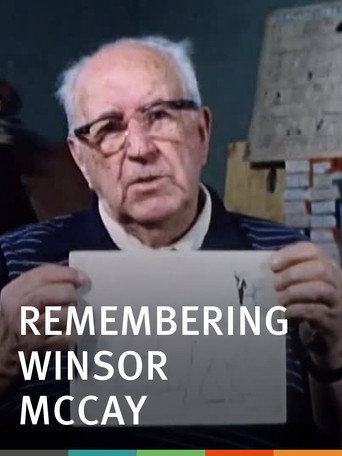
Remembering Winsor McCay
The life and career of the great cartoonist Winsor McCay is warmly recalled by his former film assistant, John Fitzsimmons, with clips of classic McCay animated films.
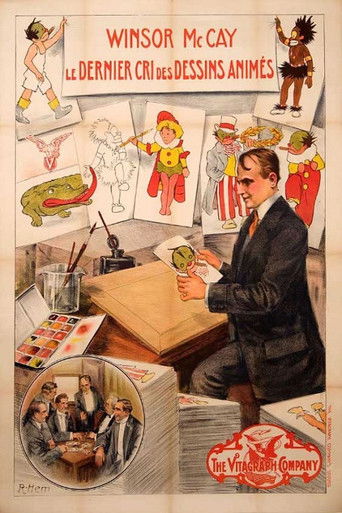
Little Nemo
Cartoon figures announce, via comic strip balloons, that they will move - and move they do, in a wildly exaggerated style. Also known as "Winsor McCay, the Famous Cartoonist of the N.Y. Herald and His Moving Comics".
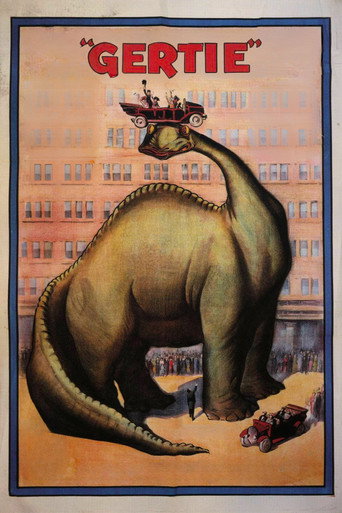
Gertie the Dinosaur
Although not the first feature-length animated film, as is sometimes thought, it was the first cartoon to feature a character with an appealing personality. The appearance of a true character distinguished it from earlier animated "trick films", such as those of Blackton and Cohl, and makes it the predecessor to later popular cartoons such as those by Walt Disney. The film was also the first to be created using keyframe animation.
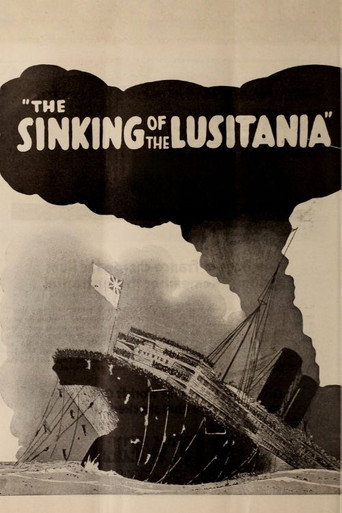
The Sinking of the Lusitania
Winsor McCay recreates the sinking of the ocean liner Lusitania by a German U-boat in this propaganda piece designed to stir up anti-German sentiment during World War I.
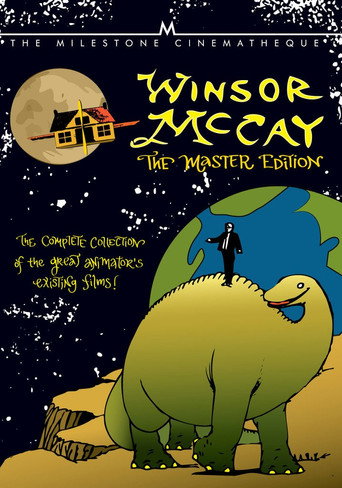
Winsor McCay: The Master Edition
Winsor McCay was the first master of animation. This movie features every surviving film by this cinema pioneer with lovely piano score by famed composer Gabriel Thibaudeau. Highlights in this collection include: Little Nemo (1911), Gertie the Dinosaur (1914), How A Mosquito Operates (1912), The Sinking Of The Lusitania (1918), The Centaurs (1918-21), Gertie On Tour (1918-21), Flip’s Circus (1918-21), Bug Vaudeville (1921), The Pet (1921) and The Flying House (1921). DVD features a commentary by film historian John Canemaker and his charming documentary Remembering Winsor McCay.
Production
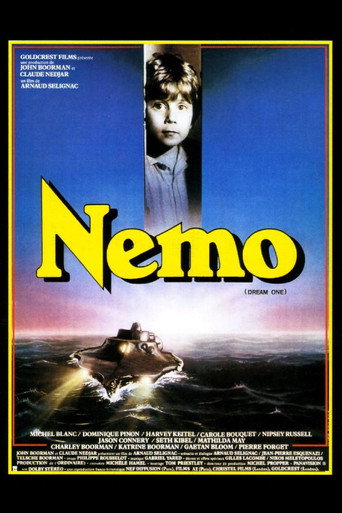
Dream One
Based on Winsor McCay's comic strip, a little boy embarks on a dream-like adventure. Also known as Dream One.
Gertie the Dinosaur
Although not the first feature-length animated film, as is sometimes thought, it was the first cartoon to feature a character with an appealing personality. The appearance of a true character distinguished it from earlier animated "trick films", such as those of Blackton and Cohl, and makes it the predecessor to later popular cartoons such as those by Walt Disney. The film was also the first to be created using keyframe animation.
Gertie the Dinosaur
Although not the first feature-length animated film, as is sometimes thought, it was the first cartoon to feature a character with an appealing personality. The appearance of a true character distinguished it from earlier animated "trick films", such as those of Blackton and Cohl, and makes it the predecessor to later popular cartoons such as those by Walt Disney. The film was also the first to be created using keyframe animation.
Little Nemo
Cartoon figures announce, via comic strip balloons, that they will move - and move they do, in a wildly exaggerated style. Also known as "Winsor McCay, the Famous Cartoonist of the N.Y. Herald and His Moving Comics".
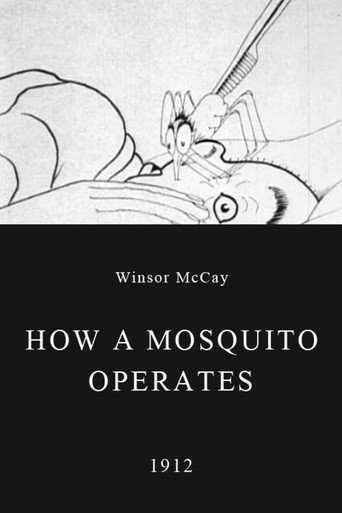
How a Mosquito Operates
A hungry mosquito spots and follows a man on his way home. The mosquito slips into the room where the man is sleeping, and gets ready for a meal. His first attempts startle the man and wake him up, but the mosquito is very persistent.
How a Mosquito Operates
A hungry mosquito spots and follows a man on his way home. The mosquito slips into the room where the man is sleeping, and gets ready for a meal. His first attempts startle the man and wake him up, but the mosquito is very persistent.
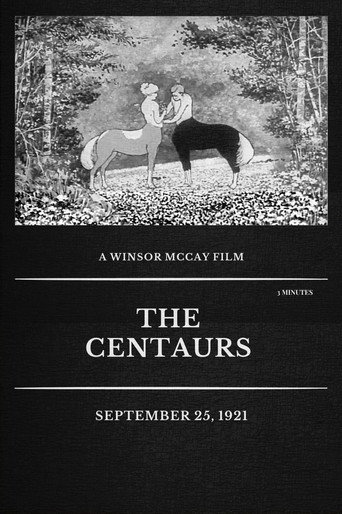
The Centaurs
A female centaur enters a clearing in the woods and picks flowers. She is met by a male centaur and the two romance each other. They then seek parental consent for their union. Surviving footage of a now lost film.
The Centaurs
A female centaur enters a clearing in the woods and picks flowers. She is met by a male centaur and the two romance each other. They then seek parental consent for their union. Surviving footage of a now lost film.
The Centaurs
A female centaur enters a clearing in the woods and picks flowers. She is met by a male centaur and the two romance each other. They then seek parental consent for their union. Surviving footage of a now lost film.
The Centaurs
A female centaur enters a clearing in the woods and picks flowers. She is met by a male centaur and the two romance each other. They then seek parental consent for their union. Surviving footage of a now lost film.
Gallery