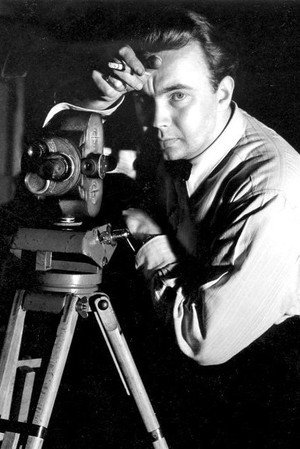
Directing
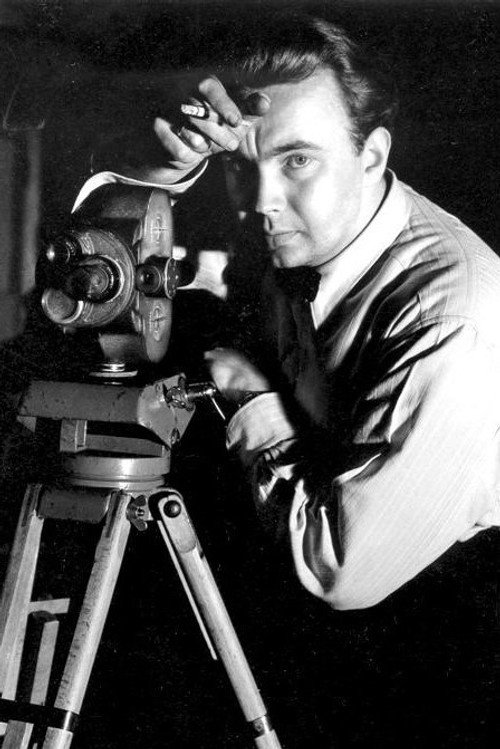
Willy Zielke (Wilhelm Otto Zielke , born September 18, 1902 in Łódź , † June 16, 1989 in Bad Pyrmont ) was a German photographer, director, cinematographer, film editor and film producer.
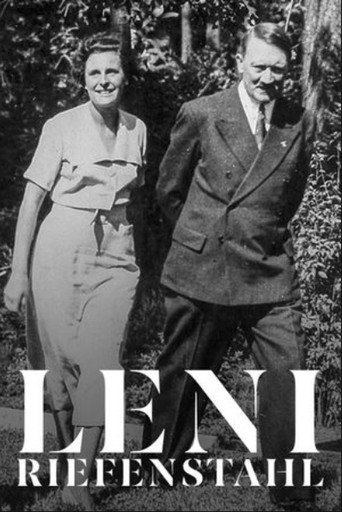
Countless people around the world know the pictures from Leni Riefenstahl's films, even if they have not seen them in their entirety. The work of the German director has burned itself into the collective memory. Even decades after the end of the Nazi era, she showed no remorse and presented herself as an apolitical, naive follower of the Nazi criminal regime. Her artistic service for the cinema was always recognized. But book author Nina Gladitz shows after decades of research that Hitler's favorite filmmaker was not only a follower, but also a perpetrator during the Third Reich, who instrumentalized other filmmakers such as the brilliant cinematographer Willy Zielke in order to gain fame for herself.
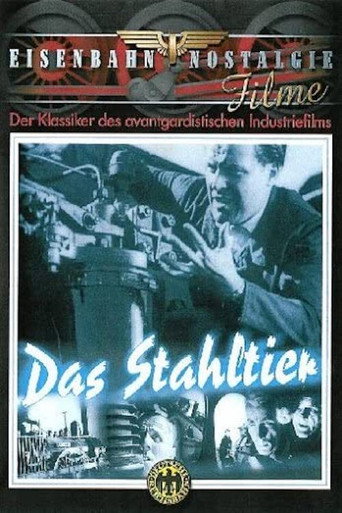
German fictinalized documentary about the national railways and the international achievements that inspired it.
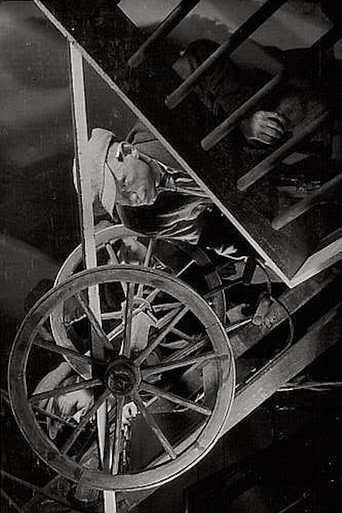
Willy Zielke was a brilliant photographer and filmmaker from Łodź who suffered greatly at the hands of the Nazis: His German feature films of the 1930s, Arbeitslos and Das Stahltier, were banned; Leni Riefenstahl made use of him to conceive, direct, and shoot the prologue for Olympia, but gave him no credit; and later, in a mentally incapacitated state, he was confined to an insane asylum where he was forcibly sterilized, only to be released after five years in 1942 so that Riefenstahl could make use of him once again on the final shooting of Tiefland. Zielke’s 1933 film Arbeitslos, commissioned by a Maffei railway company unemployment shelter, presented a despairing portrait of a nation in near-total collapse.
A showcase of German chancellor and Nazi Party leader Adolf Hitler at the 1934 Nuremberg Rally.
The armed forces of the Third Reich, particularly the German army, are presented as an efficient system of bodies and machines at the seventh Nazi Party Rally that occurred in Nuremberg in 1935.
Starting with a long and lyrical overture, evoking the origins of the Olympic Games in ancient Greece, Riefenstahl covers twenty-one athletic events in the first half of this two-part love letter to the human body and spirit, culminating with the marathon, where Jesse Owens became the first track and field athlete to win four gold medals in a single Olympics.
Part two of Leni Riefenstahl's monumental examination of the 1938 Olympic Games, the cameras leave the main stadium and venture into the many halls and fields deployed for such sports as fencing, polo, cycling, and the modern pentathlon, which was won by American Glenn Morris.
A German Film award winning documentary about the story of chemistry.