Willy Vandermeulen Movies, TV Shows, and Filmography
Willy Vandermeulen
Acting
Biography
No biography available.
Filmography Movies
Acting
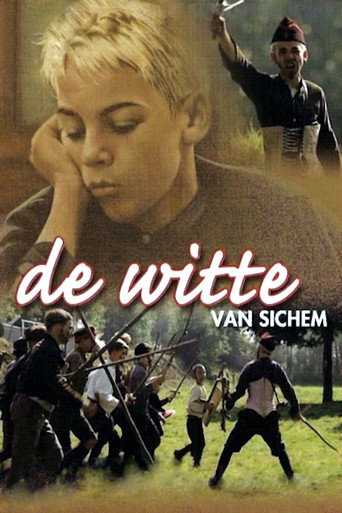
Whitey
The second movie version, now in color, of Flemish (heimat-)author Ernest Claes' classical novel, titled after the nickname (Dutch 'the White', referring to a blond male) of the main character. The smart but naughty farmhands son's eternal mischief, pranks and disobedience drive his elders (especially teachers, family and father's grumpy employer, a rich farmer, but also neighbors and even the kind curate whose liturgical server he is) and classmates to despair in a time when a boy's punishment was still inevitable, swift and often severe; thus when his mother catches him skinny dipping she takes all his clothes home, forcing him to a long walk of shame, dreading dad's wrath all the way. This version also stresses the story's social and Flamingant aspects.
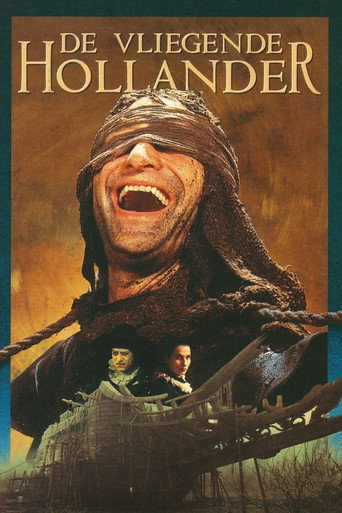
The Flying Dutchman
Late 16th century, persecuted protestantism and general dissatisfaction with the Catholic Habsburg rule in the Netherlands lead to large-scale plundering and vandalizing of churches, only harshening the Spanish Inquisition, sparkling the Eighty Years War.
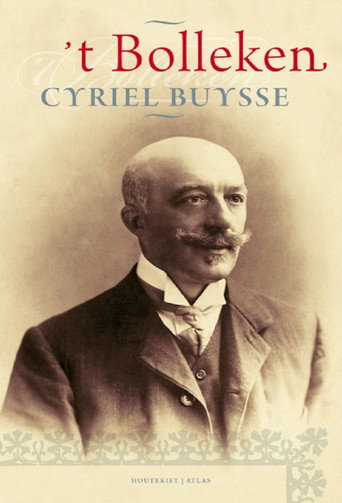
't Bolleken
Mr. Vitàl is the sole heir and initially very energetic nephew of an elderly rentier, Uncle Ken, who succumbs to years of excessive enjoyment of the finer things in life, especially too much gin and too much of his young maid Flavie. As the village doctor succinctly sums it up: 'L'Alcool et Flavie' broke Uncle Ken. The title refers to the esophageal ulcer, a result of alcohol abuse, which feels like a ball burning the throat. Although Mr. Vitàl is well aware of the causes of his uncle's demise, he eventually goes down the same path.
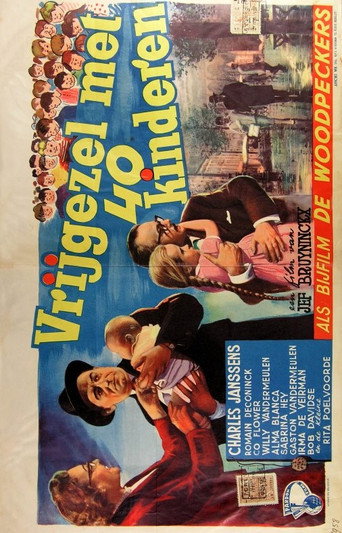
Bachelor with 40 children
Isidoor lives with his niece and a housekeeper in a little provincial town. One day he receives a letter: he is to be the heir of a distant and wealthy relative. There is only one condition: he has to go and live for a year in "Home lux et vita", otherwise he will loose his inheritance. The home is a home for abandoned children and now this bachelor becomes the father to 40 children...
The Theft of Hop-Marianneke
A group of Antwerp students steal a doll from a museum just for fun. But then they get arrested ... .
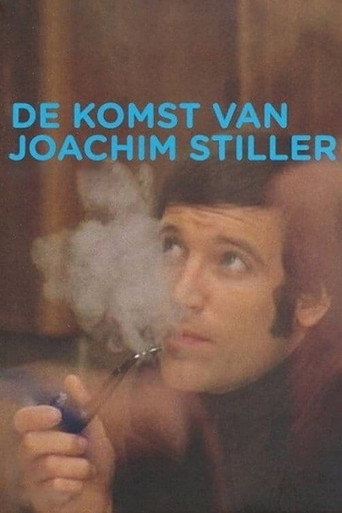
The Arrival of Joachim Stiller
An Antwerp journalist finds his daily life increasingly disrupted by unexplained phenomena, such as an authentic letter from 1919 that refers to an event taking place at a much later date. Because these disturbances are consistently linked to the name “Joachim Stiller,” the journalist becomes obsessed with it. The resolution, which is closely tied to his traumatic experiences from the Second World War, takes place with a psychiatrist—and later at an abandoned railway station in an Antwerp suburb. Interwoven with this is a subplot about an Antwerp art dealer who believes he can become rich through a new form of painting. To achieve this, he takes a mentally disabled artist hostage. The narrative also follows various romantic entanglements involving the journalist, which ultimately lead to his happy experience of fatherhood.
Skin
In a near future the world is split into two categories, the supporters of law and order on the one hand and the rebels on the other. Chico, a biker, who is to be conscripted into the army, is part of the second group. He soon runs away from a military hospital and, thanks to the help of a gang of motorcyclists, helps his friends to escape from prison. A violent confrontation with police forces ensues.