William Leymergie Movies, TV Shows, and Filmography
William Leymergie
Acting
Biography
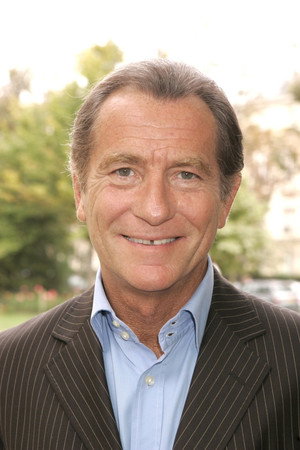
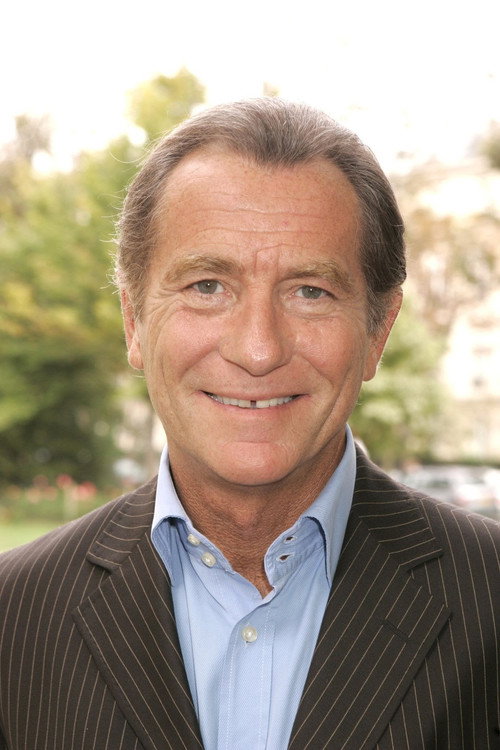
William Leymergie (born 4 February 1947 in Libourne) is a French journalist television producer and host, best known for the French breakfast television news show Télématin, broadcast on public broadcaster France 2 and TV5 in Canada. After completing an arts degree at University of Paris X: Nanterre, Leymergie began his career at the External Affairs and Cooperation department (now Radio France Internationale) of the Office de Radiodiffusion Télévision Française (ORTF) in 1970. In 1972, he joined the children's programming department as well as the France Inter radio station. In 1974, he became a journalist at the TF1 television network. After a period at the National Audiovisual Institute (INA), Leymergie worked as a journalist in the children's programming department of Antenne 2 from 1978 to 1984, where he produced programmes such as Disney Dimanche in 1979 and Récré A2 in 1980. Starting in 1985, he has hosted France 2's morning show, Télématin, which he has also produced since 1990. His only other television activity during this period was a stint co-hosting the 13:00 Antenne 2 news with Patricia Charnelet from 1987 to 1990. During this period, the broadcast beat the 13:00 TF1 news, read by Yves Mourousi, in the ratings, which has not happened again since. Leymergie sang the French-language version of the theme song of the television series based on the Pac-Man arcade game, and has appeared in small roles in various movies. Source: Article "William Leymergie" de Wikipédia en français, soumis à la licence CC-BY-SA 3.0.
Filmography Movies
Acting
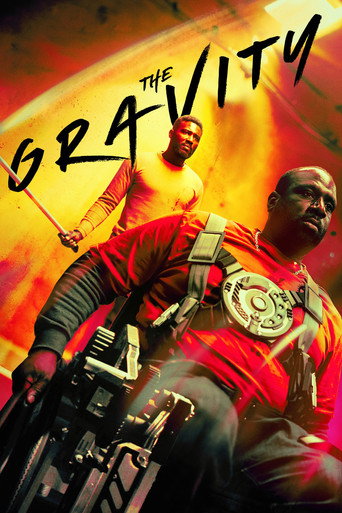
The Gravity
As a mysterious planetary alignment sets the sky on fire, two brothers are reunited with a childhood friend.
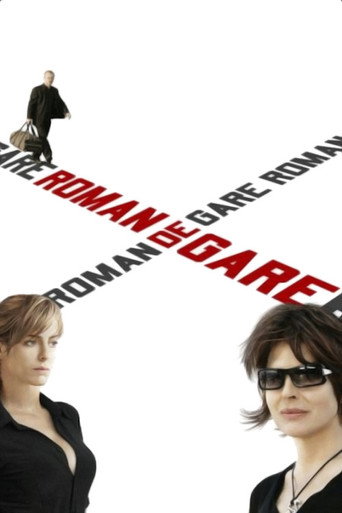
Crossed Tracks
The successful novelist Judith Ralitzer is interrogated in the police station about the disappearance of her ghost-writer. A serial-killer escapes from a prison in Paris. A missing school teacher leaves his wife and children. In the road, the annoying and stressed hairdresser Hughette is left in a gas station by her fiancé Paul while driving to the poor farm of her family in the country. A mysterious man offers a ride to her and she invites him to assume the identity of Paul during 24 hours to not disappoint her mother. Who might be the unknown man and what is real and what is fiction?
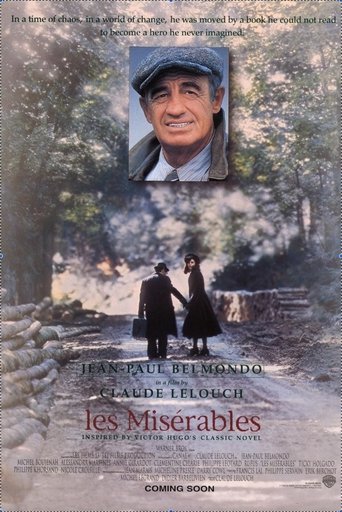
Les Miserables
In WWII France, poor and illiterate Henri Fortin is introduced to Victor Hugo's classic novel Les Misérables and begins to see parallels between the book and his own life.
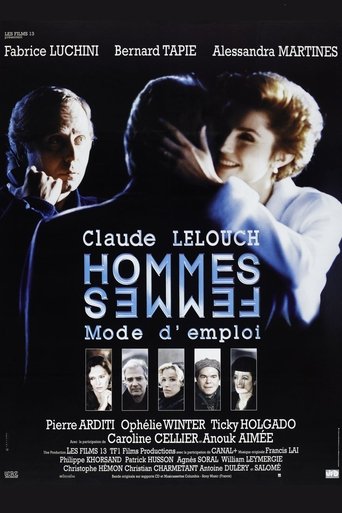
Men, Women: A User's Manual
Benoit Blanc loves living, he loves women, he loves daring. He is a famous businessman who suffers from stomach-ache. Fabiolini, a would-be actor, is a policeman and he too suffers from the same sickness. The two man face suffering in opposite ways: Benoit Blanc is optimistic while Fabiolini, always unsure of himself, is persuaded he is seriously ill. The two men meet by chance while doing a gastroscopy and become friends. After having known their real different conditions, they will change and will understand better their lives. Around them, other people, women and men, will see their lives changed, by chance, by love or solely by the life stream.
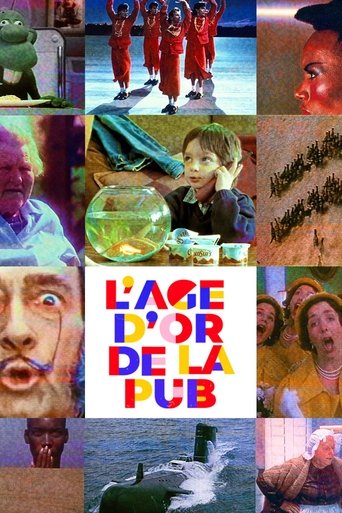
L'Âge d'or de la pub
55 years ago, on October 1 1968, the first brand advertising spot appeared on the French television screen. Over the next three decades, thousands of creative little films would seduce and build our collective memory. Kitschy or cult spots, humor, slogans, music, stars, gimmicks, grand spectacle or sex appeal: during its golden age, how did advertising convince? Thierry Ardisson has brought together almost 400 advertising clips to relive the era of the conquest of minds and wallets.
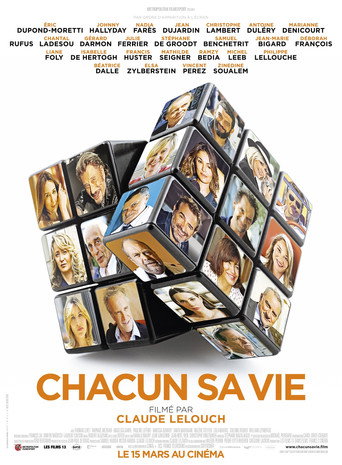
Everyone's Life
Before being judges, attorneys, or jury members, they are first of all men and women at a crossroads in their lives, with their dreams and their secrets, their hopes and their limitations, all beneath the same sun, each with their own dark side. In a lovely provincial town, during a jazz festival, life will juggle with their destinies.
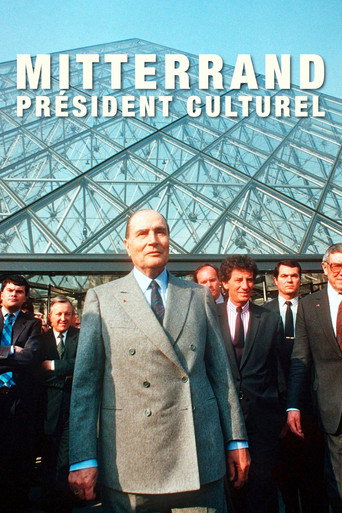
Mitterrand, président culturel
On the occasion of the fourty years anniversary of François Mitterand's election, a look back to the relationship between the President and artists, from admiration to manipulation.
Morceaux de Cannes
We thought we'd seen, read, and heard everything there was to see about the Cannes Film Festival, from the glitz and gossip to the scandals and censorship. And yet, Emmanuel Barnault's "Morceaux de Cannes" (Pieces of Cannes), by this leading expert on Italian and French cinema, convinces us otherwise. The third largest event in the world (after the Olympic Games and the FIFA World Cup) reveals its secrets only sparingly, as this film attests. The result of passionate research in the INA archives, these 52 minutes, without interviews or voice-over narration, string together rare and sometimes previously unseen footage. Taken together, they tell a surprising, original, and heartwarming story of the Festival. On the beach, on a street corner, in a restaurant, or in the privacy of a hotel room, these forgotten archives summon the greatest filmmakers, actors, and actresses of the last seventy years, from Jean Cocteau to David Lynch, for an anthology of the Festival's history.
Gallery