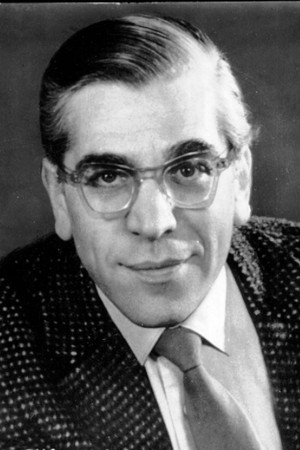
Willi Schwabe Movies, TV Shows, and Filmography
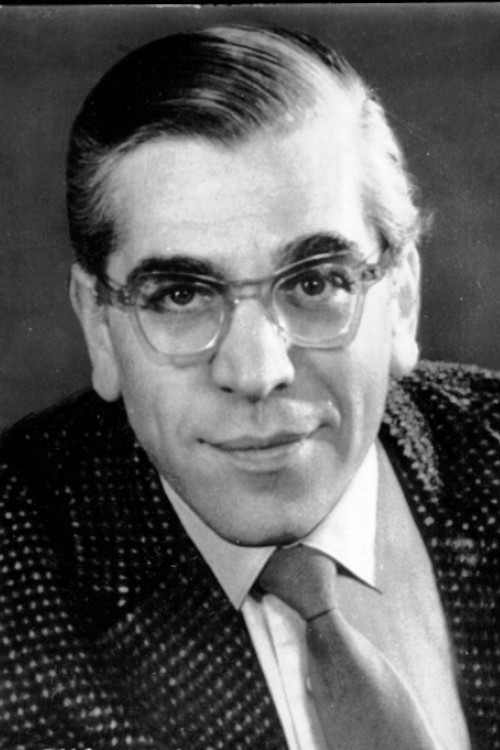
Willi Schwabe
Acting
Biography
No biography available.
Filmography Movies
Acting

A Lord of Alexander Square
Ewald Honig can't break his bad habit. Hardly has he crossed over into the GDR when the strapping, well-built man in his late fifties once again starts courting ladies with fraudulent intentions. His daughter Ina, burdened with the same genes, specializes in married men in their prime. Two criminologists are on the Honigs' trail, but they soon have enough to handle just dealing with each other. Meanwhile, Honig and his daughter have left their wayward path of their own accord.
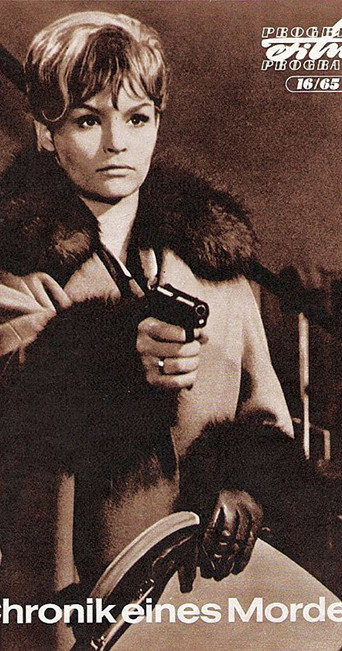
Chronicle of a Murder
In the mid-1950s, mayor Zwischenzahl is killed on the day of his inauguration in a West German town. The killer is Ruth Bodenheim, a Jewish woman, who wanted to avenge the death of her parents. Zwischenzahl, a former SA member, was apparently involved in the deportation of her parents to a concentration camp during the war. Ruth cannot bear the horrible events and the death of her parents and wants to open the eyes of the town′s residents.
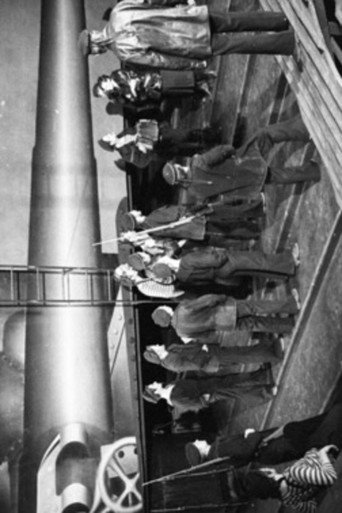
Optimistische Tragödie
During the October Revolution in 1917 the Bolshevik Party appointed a woman commissioner of the “Free Anarchist-Revolutionary Section”. This regiment emerged from an anarchist division of the ship of the line “Imperator Paul I.”
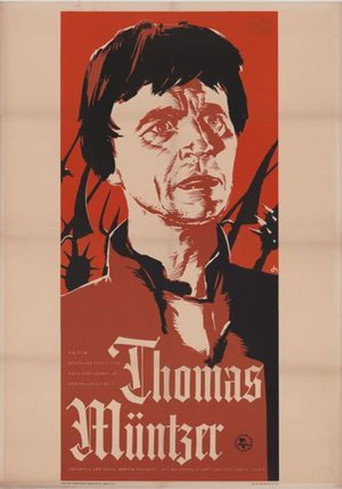
Thomas Müntzer
In 1523, young Thomas Müntzer arrives with his wife Ottilie in the Thuringian village Allstedt to assume the rectorate. As a follower of Luther′s teachings, he finds in the Bible not only reasons for clerical, but also for secular reforms. But when Luther turns away from the rural population after a discord with Müntzer, it is Müntzer who becomes the peoples′ spokesman. He is forced to go to Southern Germany, where he convenes with revolting farmers. But his way leads him back to Thuringia. In 1525, he and Heinrich Pfeiffer form the centre of the Thuringian peasant uprising in Mühlhausen, but their success is diminished by the fact that peasants and craftsmen don′t seem to be able to work together. In Frankenhausen, Müntzer becomes the leader of a peasants′ army that is set to fighting the ruler′s army – and sustains a devastating loss. Müntzer is arrested and sentenced to death by decapitation for his insurgency.

Two Strange Characters
The two computer specialists Frank and Kamminke are not the type of citizens the party likes. Thus they are sent to the landscape where they still find enough stuff to do: They repair the software of a western type factory which is currently not working.
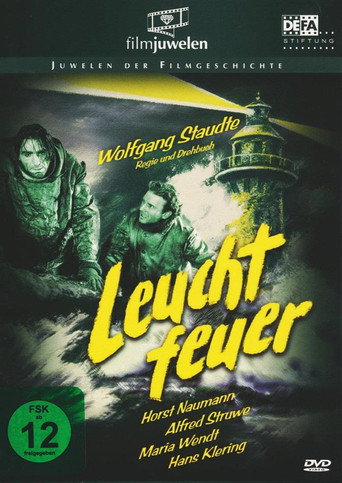
The Beacon
On a barren and stormy island, fishing families eke out a meager existence on what they can catch during summer, and what washes ashore during winter. But little has been washing ashore of late, and their situation worsens. Elders recall how twenty years ago, when the lighthouse keeper’s beacon went dark, a cargo ship broke apart on the cliffs. It proved a bountiful accident for the fishermen. Today people on the island view the conscientious lighthouse keepers with evil hungry eyes...
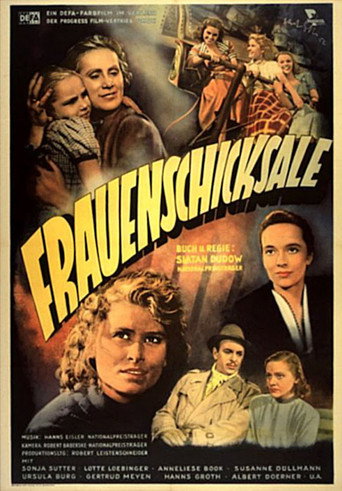
Destinies of Women
Berlin 1952, seven years after WWII. Four women are looking for a good man and happiness in the divided city. Their destinies are loosely connected through one person: the West Berlin dandy and womanizer, Conny.
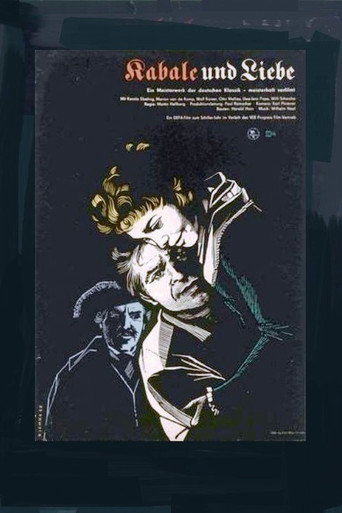
Intrigue and Love
Ferdinand is an army major and son of President von Walter, while Luise Miller is the daughter of a middle-class musician. They fall in love with each other, but both their fathers urge them to end the affair.

Der aufhaltsame Aufstieg des Arturo Ui
Hitler's seizure of power in 1933 and his rule in the years that followed are transferred to the North American criminal world of the 1930s in a parable. Gangster boss Ui needs the protection of the ruling class to achieve his goals and offers his help to their representatives. They initially hesitate, but join forces after Ui violently gains their respect. His victory is perfect and the people fall silent before the revolvers of their "protectors". Ui takes the raised hands as a sign of approval... Bertolt Brecht wrote the play in 1941 in a Finnish asylum - the premiere only took place in Stuttgart after his death in November 1958. It has been staged at the Berliner Ensemble since 1959 - Ekkehard Schall has played Ui over 500 times since then. On January 13, 1974, the play was shown for the last time, recorded in color by GDR television.
Katzgraben
Gallery