Production
No biography available.
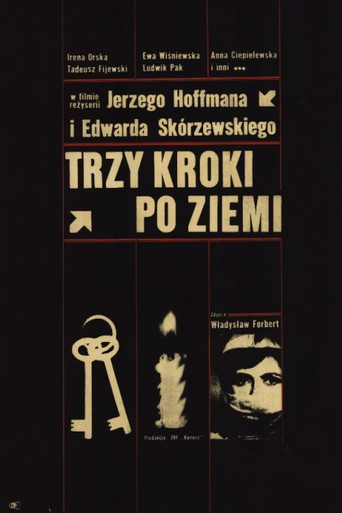
Three stories about life problems, each rooted in contemporary reality through newspaper reports and a “Polityka” magazine survey, crafted by documentarians Jerzy Hoffman and Edward Skórzewski.
A documentary about the fate of prisoners of the German Nazi concentration camp Auschwitz, perusing extensive iconography and archival materials.
A famous Polish conductor meets a young Polish student in Czechoslovakia and pretends to be Czech to impress her.
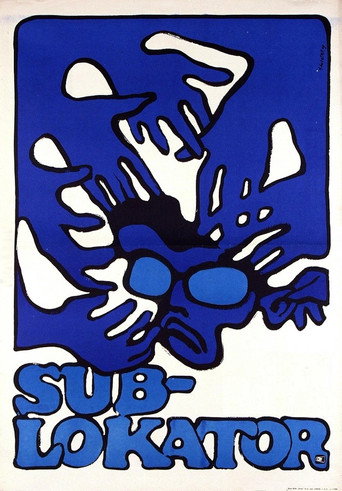
A woman has difficulty choosing between her husband and her new lover, so she sets up a table tennis game between them.
A daughter of a furniture seller helps her father’s business by promising a marriage to the customers.
A simple governess and a wealthy aristocrat fall madly in love with each other. However, his family are prejudiced towards her and have other plans for him.
A pleasant, open-faced young man comes to live in a boarding house with three peculiar women.
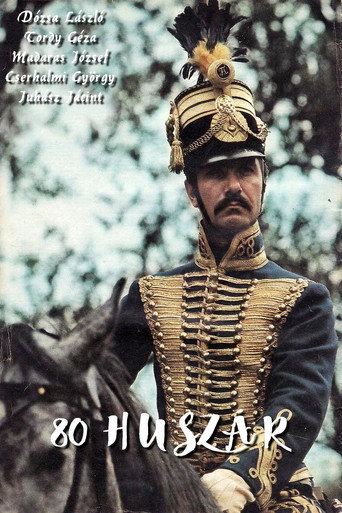
The film tells the story of a regiment of Hungarian hussars stationed in Poland. The hussars, mostly ordinary men, have heard news of the uprising and wish to return to the homeland to defend the newly independent country. The Empire, on the other hand, is firmly resolved that all Hungarian troops in the imperial army should be kept as far away from the trouble spot as possible, knowing that most soldiers would be loyal to Budapest rather than Vienna.
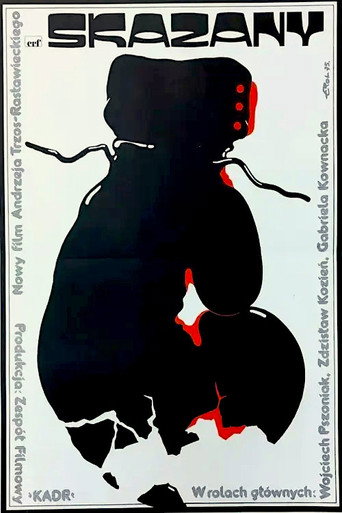
A man is tried in court for failing to help his brother to avoid suicide.
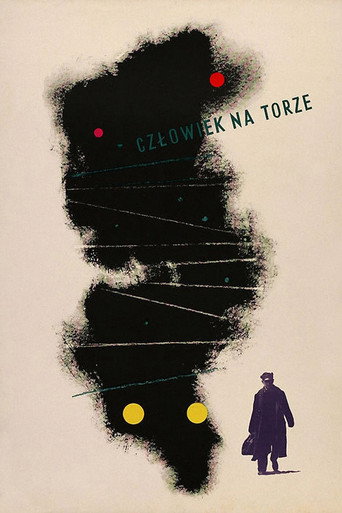
One night in 1950 a passenger train runs over a man, who turns out to be the veteran train engineer Władysław Orzechowski, knows for his old ways and stern demeanor. As the inquiry panel tries to deduce why would a man like Orzechowski jump in front of a moving train several of the people involved in the case are interrogated, each telling their own version of the story. Can the panel arrive at the truth in a world where workers unite, inferior coal is a badge of honor, and the old order is suspect?