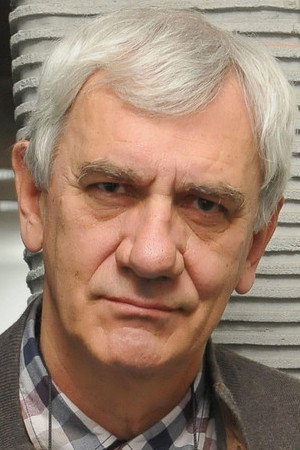
Wiktor Zborowski Movies, TV Shows, and Filmography
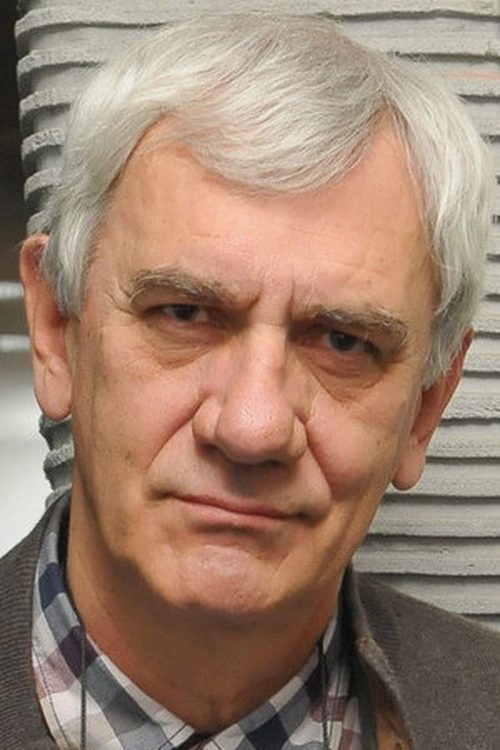
Wiktor Zborowski
Acting
Biography
Wiktor Zborowski (born 10 January 1951 in Warsaw) is a Polish actor and singer. He is the nephew of actor Jan Kobuszewski. In 1973 he completed The Aleksander Zelwerowicz National Academy of Dramatic Art in Warsaw. He appeared in the comedy television series Bao-Bab, czyli zielono mi in 2003. He is also known for taking on the role of Longinus Podbipięta in the 1999 historical epic With Fire and Sword. Description above from the Wikipedia article Wiktor Zborowski, licensed under CC-BY-SA, full list of contributors on Wikipedia.
Filmography Movies
Acting
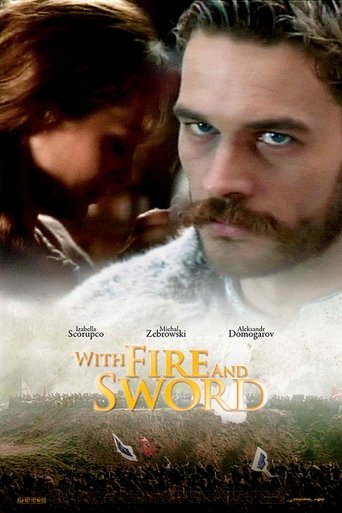
With Fire and Sword
In the mid-17th century, Poland was the largest, most democratic, and most tolerant country in Europe. However, a tragic civil war brought about the gradual decline of the once glorious republic... An epic story about the Ukrainian uprising against the Polish-Lithuanian Commonwealth magnates in the 17th Century.
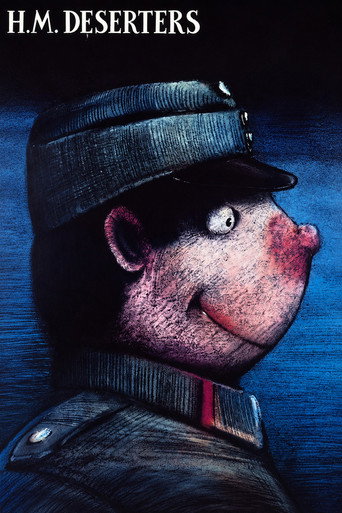
H.M. Deserters
Set in 1918, this World War I drama follows a group of Austro-Hungarian soldiers—Czechs, Jews, Italians, and others—confined in a provincial barracks under German officers. Subjected to the cruelty of a sadistic lieutenant, they rebel, humiliate him, and later attempt escape. Disguised as guards for veterinary surgeons in Budapest, the deserters are eventually recaptured and returned for court-martial, forced once more to face their tormentor.
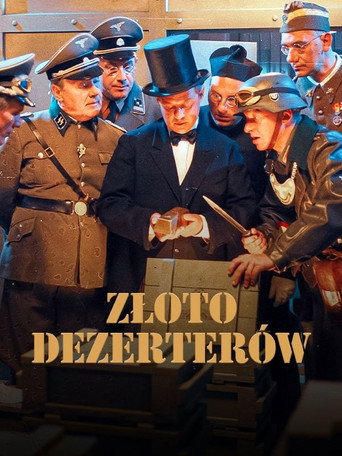
Deserter's Gold
"Deserter's Gold", the sequel to the very popular "The Deserters", is a rich war comedy, skipping humorously around the more serious dangers of a war. Deserters Gold takes place during World War II, while the first film happened during WWI. The heroes' mission is to rob a Nazi-run bank in Poland for gold that will buy military supplies for the Polish Underground.
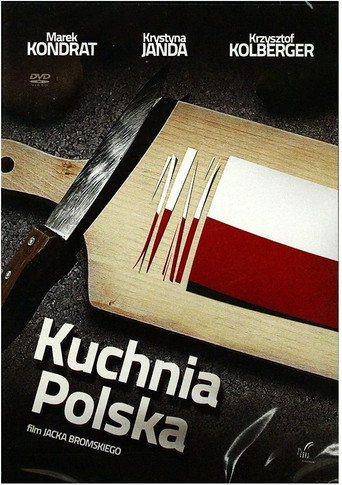
Polish Cuisine
A Polish lieutenant from the Royal Air Force comes home with his British wife and faces political persecution.

The End of the World, or Egg Nogg 4
Agnieszka and Marcin's love is blooming, just like Kasia and professor Wolanski. Grandma Solska only dreams of the wedding of her only grandchild - However, his former lover, Bozenka, stands in the way of the happiness of young Zawada. Mrs. Wolanska decides to radically change her life and disappears in mysterious circumstances. Peace of Piotr and Marlenka is disturbed by the unexpected visit of his mother from overseas – And some very compromising photos trigger an avalanche of events. The real end of the world is underway.

The Secret of Marabou's Code
Kajetan Chrumps, a dog and famous detective, along with his feline assistant, Kot Makawity, endeavour to solve the mystery of a local film director's disappearance and find themselves in pursuit of a shapeshifting reptilian criminal at large on an impersonation spree.
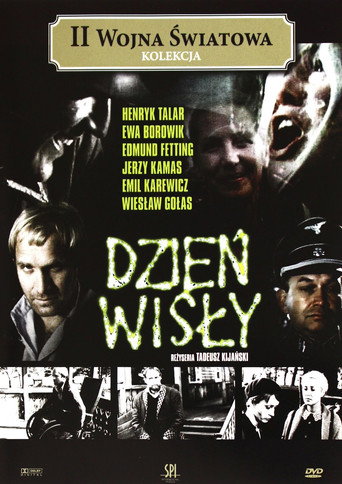
Dzień Wisły
September 13, 1944. On the right bank of the Vistula, a group of young people is getting ready to cross to help the fighting Warsaw. Tadeusz, a young poet with amputated legs meets Katarzyna. Two officers of the Home Army and the AL, Polish and Soviet soldiers come here. A fight ensues with the Nazis trying to get out of the encirclement. Katarzyna is raped by one of them in front of the powerless Tadeusz. . . Two boats are sinking crossing the Vistula. Tadeusz falls into the river with a wheelchair ...
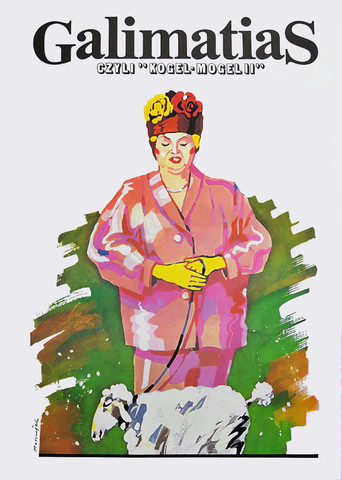
Topsy Turvy, or Egg Nogg 2
Kasia and Pawel, having got married, live in the village of Brzozki, 10 kilometres from Grabow. Kasia wants to return to her pedagogical studies, so she does not want to have children yet. Pawel announces that he wants to break away from the traditional village farm and focus on specialised sheep breeding, which causes a family argument. Kasia's parents anxiously await the birth of their grandchildren. Things get even more complicated when the Wolanskis arrive in Grabow. They offer to help Kasia go back to university, but in return Kasia has to look after little Piotr as the docent is leaving for London where he has received a month-long study grant.
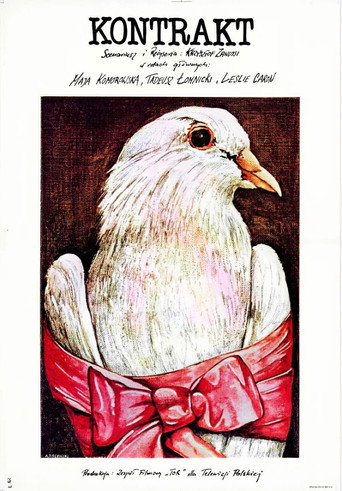
The Contract
Bearing traces of the old Anton Chekhov play The Wedding, The Contract is set during an "arranged" ceremony. The bride and groom barely know each other, but this matters not at all to their tradition-bound families. At the last minute, the bride balks. Only slightly nonplused, the groom's father, a status-seeking doctor, decides to go ahead with the expensive reception anyway. Polish director Krzysz Zanussi uses this scenario to stick it to capitalist corruption, and to society's destruction of the individual spirit. Leslie Caron, the one recognizable member of the cast, is outstanding as a wealthy, over-the-hill ballerina who happens to be a kleptomaniac.

Lesser Evil
There is a writer who in the late 1970s managed to publish a poem in the monthly "Nowy Wyraz". It was enough to become a self-confessed writer whose name began to appear in the state media. The writer takes full advantage of his privileges - he flirts with power, sympathizes with the opposition, and collapses his studies at the same time. He is saved from going to the army by an exalted essayist whose sister is the head of the psychiatric hospital in Tworki. In a psychiatric institution, a writer meets a schizophrenic who writes a novel. After his suicide, the protagonist takes over the draft, which he publishes outside of censorship under his name, thanks to which he gains fame, fame and money. August '80 breaks out....
Gallery