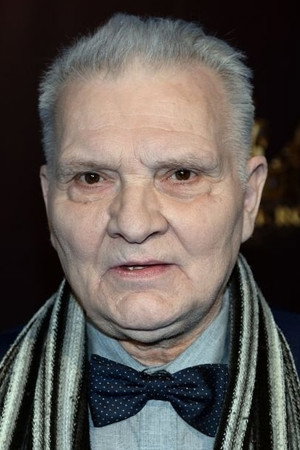
Wiesław Wójcik Movies, TV Shows, and Filmography
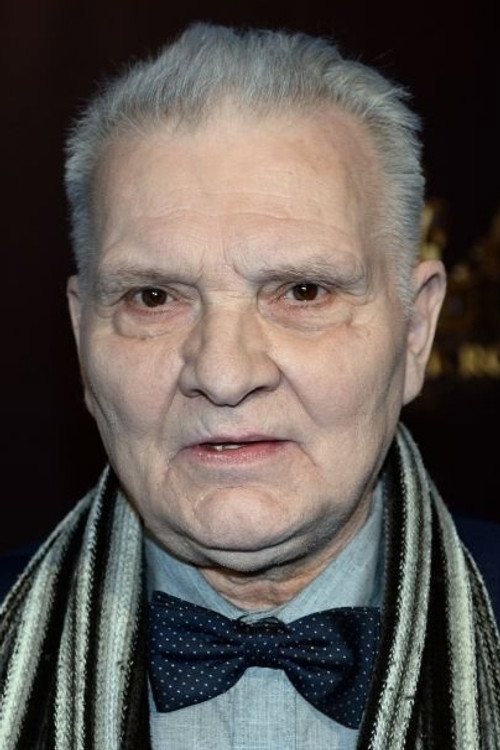
Wiesław Wójcik
Acting
Biography
No biography available.
Filmography Movies
Acting
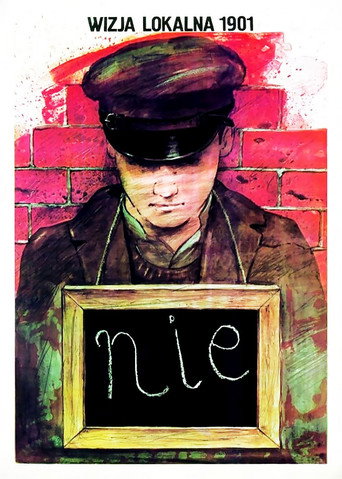
Wizja lokalna 1901
More documentary in its approach than dramatized history, this is a compelling story about a 1901 children's strike in Wrzesnia near the Polish border with Prussia. Poland was partitioned at this time, and a rigidly patriotic Prussian teacher in Wrzesnia follows the dictates of the Germans in parliament and insists that the children be taught their religion classes in German. When the children refuse to take part in the classes, they are supported by the local priest, but that does not save them from being beaten. They are also kept after school and tormented in other ways as well. Newspapers, parents, and the nation as a whole get involved, transforming a simple children's strike into a national incident.
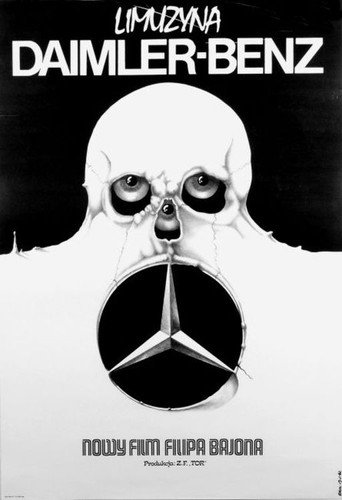
Daimler-Benz Limousine
Two brothers living in 1939 Poland decide on a whim to steal the limousine of a German consul. The seemingly small act of youthful rebellion will have massive ramifications on the two, each dealing with the aftermath in their own way - one resorts to art, the other to direct political action.
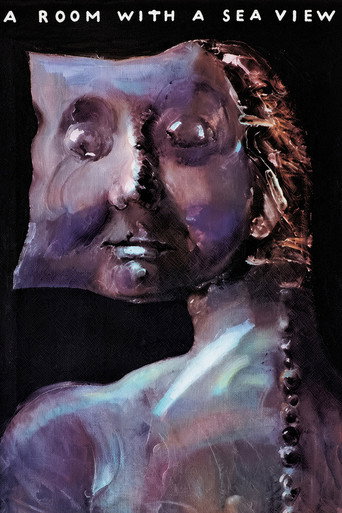
A Room with a Sea View
Two psychiatrists attempt to save a suicidal man.

Aria for an Athlete
Set at the turn of the century it presents a story of a famous Polish athlete, Zbyszko Cyganiewicz. It begins in a small town where a traveling circus attracts a shy boy into a phony wrestling game to please the crowds. The youth, however, takes his strength seriously, eventually defeating a name wrestler in a fair match. Angered circus manager fires him; he leaves happily due to two wrestler brothers who were harassing him. The wrestler goes on to fame, performing in the world's top arenas, and one day is serenaded by a tenor from the crowd. Fame brings him women and admirers but he is uncompromising on his profession. He has his revenge on one of his tormentors defeating him in the ring. One day, attending a game in a tuxedo, he is challenged by another of the brothers and drawn into a brutal game, in course of which he kills his opponent. Thus his career ends.
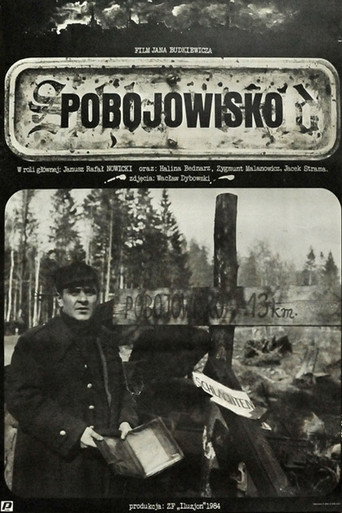
Pobojowisko
Soon after the end of the war, a former officer moves to a small seaside town in the Recovered Lands. The situation in this post-German territory is still unsettled.
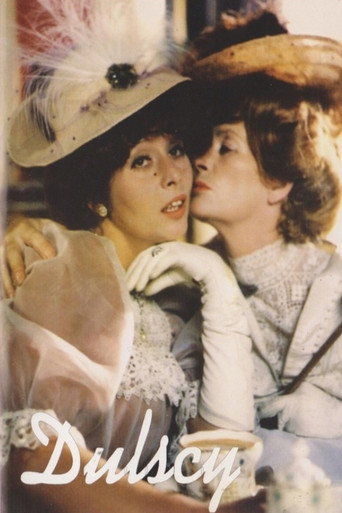
Dulscy
Set at the end of the XIX-th century. Madame Dulska is the sole and absolute ruler of her house in Cracow. She is ruthless, greedy and oversensitive of the reputation of her family. To protect his son from temptations she overlooks the affair he is having with the maid. Young Dulski first wants to marry the girl, but then yields to his mother demands and turns his interest to a cousin. Everything returns to normal: his father has his habitaul visits to a brothel, his son to a cabaret and Madame Dulska safeguards her reign.
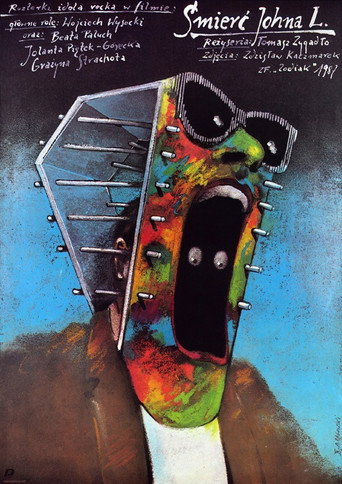
The Death of John L.
Zbigniew Gąsior, a thirty year old singer, is a youth idol. Despite fame, money and success with women he can't neglect the emptiness in his life.
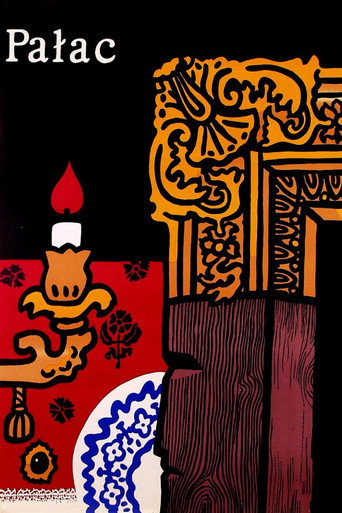
The Palace
Set in 1944. A shepherd boy enters an abandoned palace he has seen only from the distance since he was a boy. Once he enters the palace, strange things begin to happen as though he was dreaming the events rather than living them.
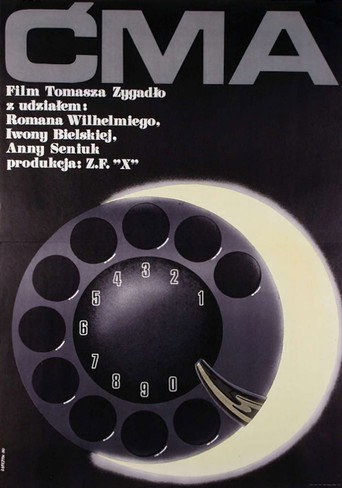
The Moth
This is psychological drama by Tomasz Zygadlo begins as a straightforward story. Jan is the host of a nightly talk show in which he counsels people who call in with their problems. He is dedicated to helping these lonely souls but becomes increasingly disturbed when his co-workers and supervisors at the radio station do not appreciate his program; they seem unable to grasp the importance of what he is doing. Aside from that, Jan's private life is frayed around the edges. His wife is a heavy drinker and his mistress has no comprehension about who he is or what he is doing. Jan's frustration over this lack of recognition builds to an explosive level, threatening to upset the balance of his daily life.
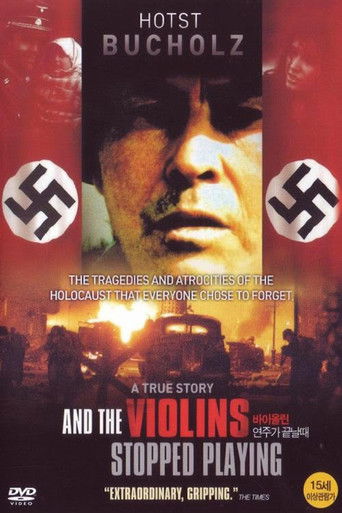
And the Violins Stopped Playing
This is the true story about a group of Romani's (gypsy) in occupied Poland during World War II as they confront the atrocities and tragedies of a forgotten holocaust.
Gallery