Directing
Werner Penzel was a German director and documentary filmmaker.
A film by Karin Thome.
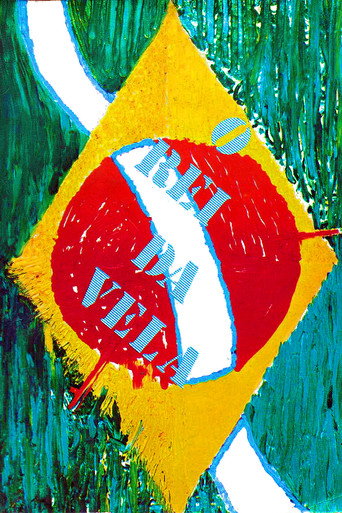
Filming of the historical montage of Oswald de Andrade's play, where decadent millionaires, depraved children, corrupt and implacable capitalists are the characters interpreted by the Grupo Oficina, in a celebrated theatrical performance from 1967, fundamentally recorded in 1971 and released only in the 1980s.
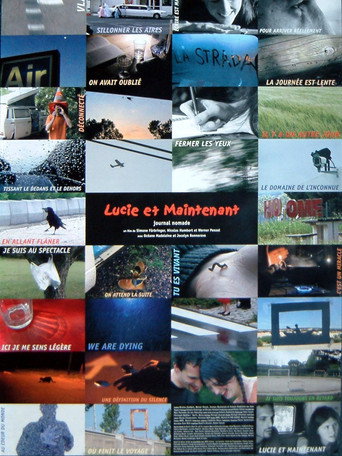
In May of 1982 Julio Cortázar, the Argentinean writer and his companion in life, Carol Dunlop set out in their VW bus on a journey along the highway from Paris to Marseille that, for each of them, was to be their final one. Twenty-five years later, Océane Madelaine and Jocelyn Bonnerave set out to undertake the journey again.
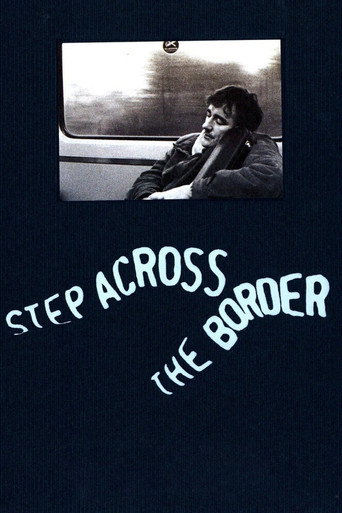
An avant-garde documentary film on English guitarist, composer and improviser Fred Frith.
In 1996, cinematographer Helge Weindler died in Almeria, Spain, while shooting his wife Doris Dörrie's new film. A year later, she set out to retrace her grief and pain in a very private film.
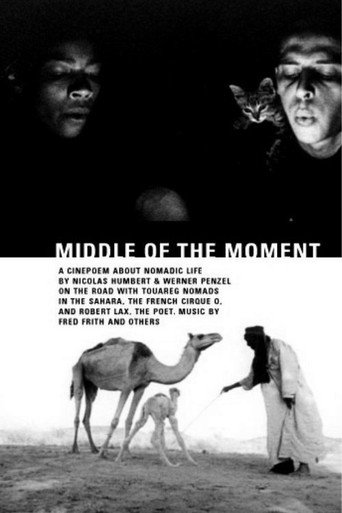
Filmmakers Nicolaus Humbert and Werner Penzel examine the nature of nomadic existence in this documentary, from the literal nomads of North Africa to the more metaphorical kind of wanderer, such as American poet and ex-pat Robert Lax. Humbert and Penzel focus especially on the nomad's paradoxical ability to fully inhabit every moment while remaining coolly detached from specific locales and anxious thoughts about the past or future.
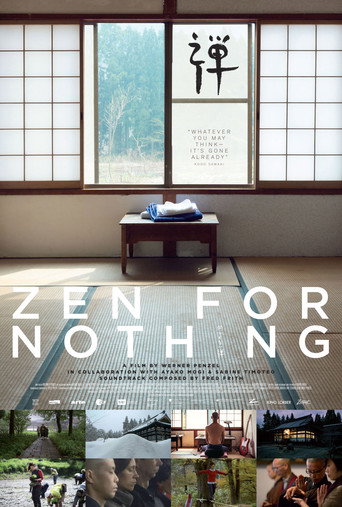
Hidden in the wooded mountains on the west coast of Japan lies the small Zen monastery Antaiji. A young woman sets off to immerse herself through autumn, winter and spring in the adventures of monastic life. The young woman is Sabine Timoteo from Switzerland. The abbot of the monastery is Muho Noelke, born in Berlin. An interplay between the philosophy of the Japanese Zen master Kodo Sawaki and the surprises brought forth by everyday life.
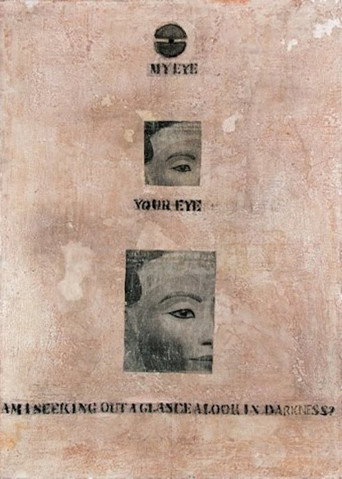
Filmed in Patmos in May 1999, this is Robert Lax’s last year in Greece, roughly his last year of life. For 21 minutes you see only Lax’s head and his right hand, which holds a wooden staff of sorts (a walking stick or ... a broomstick?!). He wears a navy blue knit hat. The only movement is in his eyes, and ever so slight movements of his head. Lax does not look at the camera, his eyes are mostly downcast, but he is awake and aware, watching and waiting, and you are drawn into his profound stillness. All of those who were able to meet Lax during his lifetime consider it a particular stroke of fortune. They say that from that point on he became part of their bodies and souls, as though they had met a true saint. My Eye Your Eye is like being in the presence of holiness. For 20 minutes. Watching and waiting. I've always wanted to know better what Bob Lax was like - how he was. This film does it.