Werner Kamenik Movies, TV Shows, and Filmography
Werner Kamenik
Acting
Biography
No biography available.
Filmography Movies
Acting

King Thrushbeard
A fairy-tale about a beautiful but very haughty princess Anna who cruelly mocks each of her suitors. Finally she is forced by the king to marry a beggar. The poor life, hard work and love teach the princess a lesson and turn her into a loving and kind person.
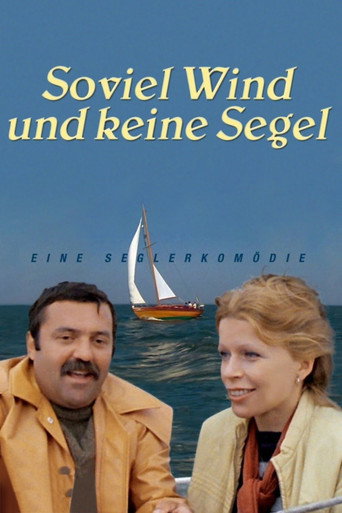
Soviel Wind und keine Segel
The water sports fans of a cooperative on the coast finally want to acquire a seaworthy sailing ship. But at the board they encounter deaf ears. Only the chief accountant Irma shows interest in sailing and especially the leisure captain named Ali. Then a minister surprisingly his visit. Irma devises a plan to support the sailors. In order to vote the Minister benevolently, flights, a company sports community should be launched. The founding of a sailing section would be just right. But unfortunately, the Chairman Scheffel continues to be cross. He even wants to use the storage space of the sailors. Only when the minister finds pleasure in the spontaneously organised sailing trip for him, movement comes into the affair.
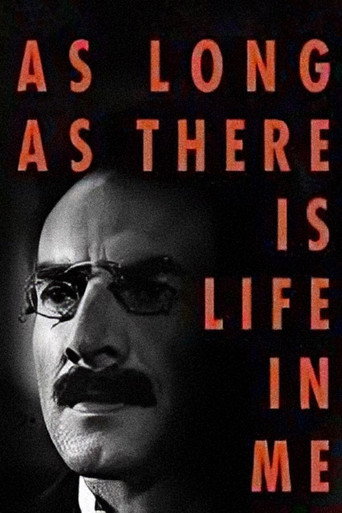
As Long as There’s Life in Me
This is part one of a two-part biopic about Karl Liebknecht. In 1914, Germany is arming itself for war. Karl Liebknecht, left-wing revolutionary Social Democrat, workers’ leader and a virulent antimilitarist, is one among 110 SPD members of Parliament who vote against approving war loans. From then on, he is considered un-German and a traitor to the fatherland, and his own party’s leadership turns against him. Despite threats, Liebknecht speaks up against the war and writes the manifesto “The Main Enemy Is at Home.” Even when he is arrested and charged with treason, he does not surrender.
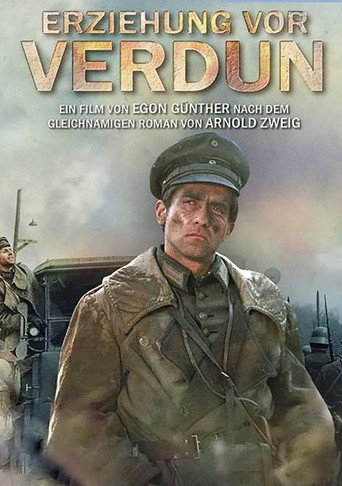
Erziehung vor Verdun
The armouring soldier and writer Werner Bertin is ordered to the Western Front to France during the First World War. The use before Verdun - with all the horrors of war in the period 1916/1917 - brings a fundamental change of consciousness for the academic from Berlin. The intellectual devoted to bravery by fate develops into a disappointed but rebellious being. He sees more and more the injustices of warlike conflicts and their social causes.
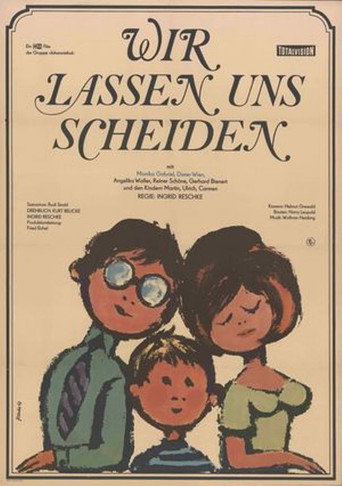
We Are Getting Divorced
Monika and Johannes are married. With increasing frequency, their son Manni becomes the focus of their arguments. Since the two cannot agree to a compromise, they decide to break up. The ten-year-old Manni is supposed to spend four weeks with Monika followed by four weeks with Johannes on an alternating basis. They want to prove to each other who has the better parenting skills. The plan fails, however, because Manni is very good at playing his parents off against each other. When Monika and Johannes finally see through their son’s game, they realize that their way of life does not lead to better parenting and they conclude that good parenting can only be achieved if they work together.
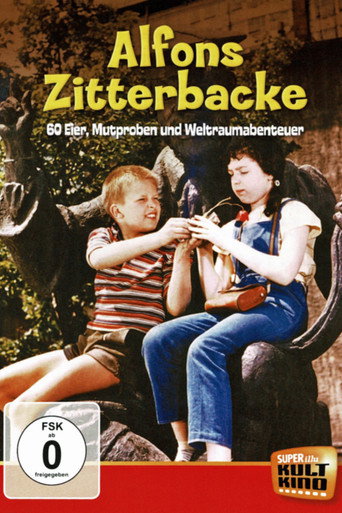
Alfons Zitterbacke
Alfons is very unlucky boy. Even when he intends well everything is going wrong, so his life is full of various mishaps.
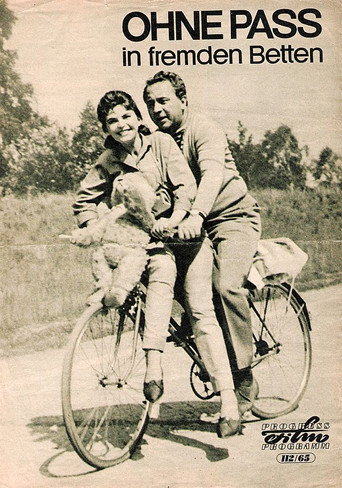
Ohne Paß in fremden Betten
Czech tourist Jelinek decides to take a ride on the "Ferris wheel" in Berlin, and as a result he lags behind the train and is left without his belongings and documents.
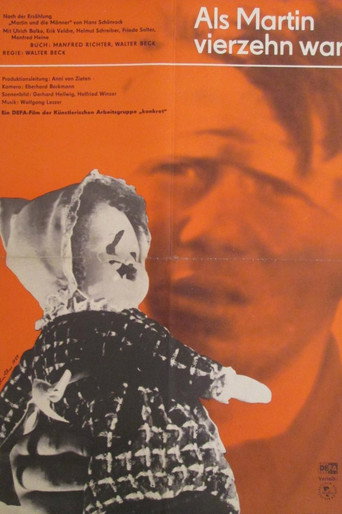
When Martin Was Fourteen
Martin′s and his girlfriend′s Kathrin′s childhood comes to an abrupt end in 1920, when their Mecklenburg village is drawn into the events surrounding the Kapp putsch. By accident, Martin discovers a charge of weapons that land owner von Bröder had put away for the reactionary forces, and gives them to the workers in the city. When the village starts to organize a strike against the putsch, soldiers arrive at the village to hold down the residents of the village.
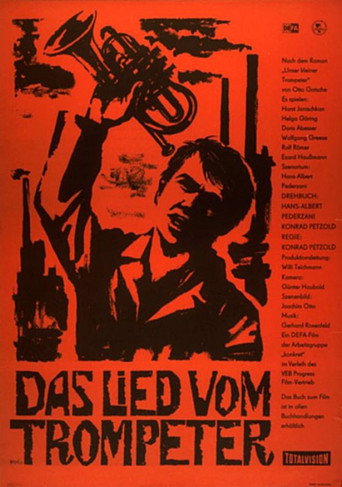
The Song of the Trumpeter
Fritz Weineck, a worker′s son from Halle, loves music – and dreams to make a living out of it one day. When his friend Alfons, a World War I veteran, gives him a trumpet as a gift, Fritz seems to come closer to fulfil his dream. But then, Fritz realizes that after the end of the German empire workers still have to desperately fight for their rights, and decides to use his instrument for political means: At a meeting of militant workers, he uses his trumpet as a signal horn. But Fritz suffers a severe setback when a comrade dies in the fight for an arms depot because of his fault.
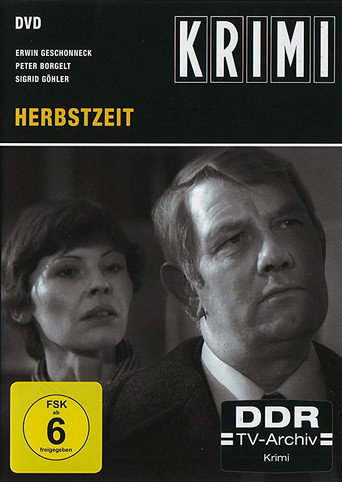
Herbstzeit
A retired head cashier, lonely after the death of his wife, lives in the hope of being able to move in with his son and his family after the latter builds a house. The son does not want to destroy his father's dream and conceals the fact that the family will not have enough money to build a house in the foreseeable future. When the father realizes this, he reaches into the cash register of his former company in desperation.