Camera
No biography available.
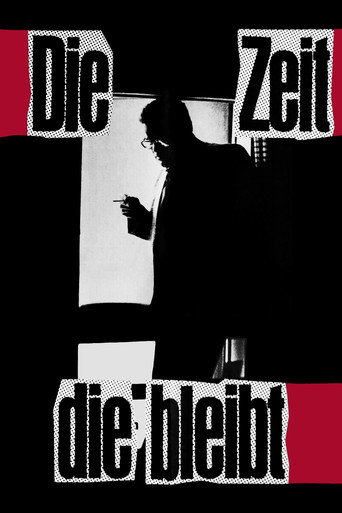
A documentary about German director Konrad Wolf (1925–1982).
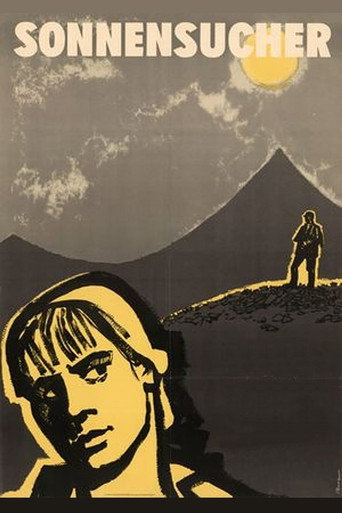
A socialist story of "atoms for peace" and compulsory labor in an East German uranium mine under Soviet control.
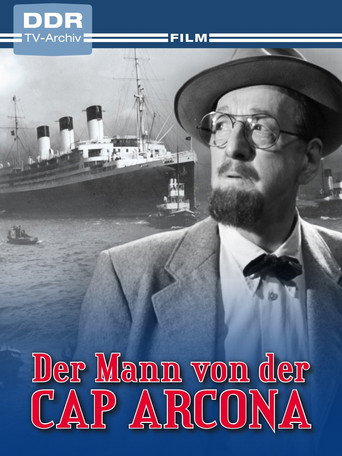
1982: East German actor Erwin Gregorek travels to Hamburg to shoot screen tests for a film about the sinking of the ocean-liner Cap Arcona in 1945 - a catastrophe he himself survived as a concentration camp prisoner.
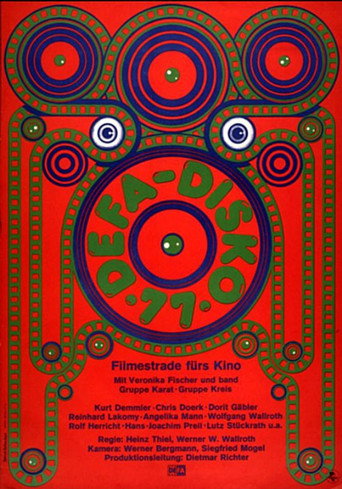
A film gala featuring a colorfully mixed program of musical numbers, along with the most popular artists of the GDR music, film and television scenes. The majority of the show is comprised of music performances, which are visually altered or transformed. Cabaret-style written contributions and one acts round out the program. Before each performance, the artists involved are seen in an everyday situation in their life.
Test film for a 70mm film stock produced in East Germany.
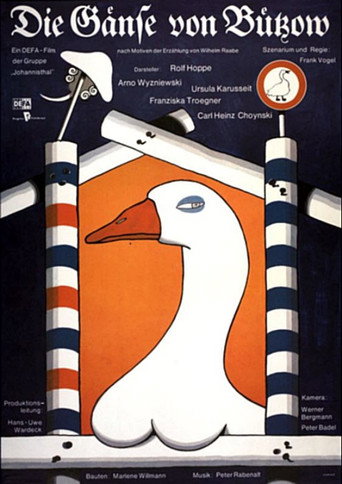
In 1794 Bützow, widow Hornborstel, a top goose breeder, presses Mayor Hane to marry her. Rebuffed, he bans free‐range geese under a “goose edict.” Enraged, she enlists revolutionary‐minded Magister Albus to rally citizens. They rise for goose freedom, the duke deposes Hane, installs a new mayor, and Albus escapes across the border.
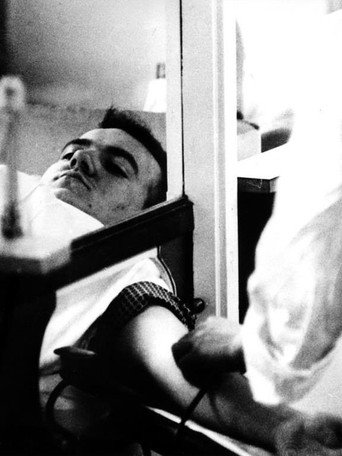
GDR anti-Vietnam propaganda film with footage of East Germans donating blood to be sent to the Viet Cong soldiers.
Albert Hauptmann is an out of work waiter in Cologne who is often confused with a former Captain of the Nazi Army. Albert uses this to his advantage and becomes the Director of the Montan Corporation, and a member of the West German Parliament. Herr Karjanke, the real Captain, learns of Albert’s ruse, and wants to claim his "rightful" position in Parliament. But Karjanke cannot come forward until his politicking "Doppelganger" succeeds in passing an amnesty law for war criminals. When Albert is finally brought before a judge on charges of fraud, he learns that this own amnesty law does not apply to him.
One day, the happily married Karl Lehmann is asked by his single colleague, Mrs. Schmidt, for an unusual service: She wants a child. Lehmann is willing to help. His wife Inge and Mrs. Schmidt have a child at the same time, and since the women like each other, they make an agreement. They share Karl Lehmann. One week Inge gets him, one week Mrs. Schmidt - always alternating. It could be nice if it weren't for the prudish, shocked or even envious people around them. However, some see it in a positive light. A Mr. Schmidt is interested in Inge's week off and a colleague Lehmann is interested in Mrs. Schmidt's week off. And it's not long before Mr. Karl Lehmann is booted out and seeks refuge with a waitress.
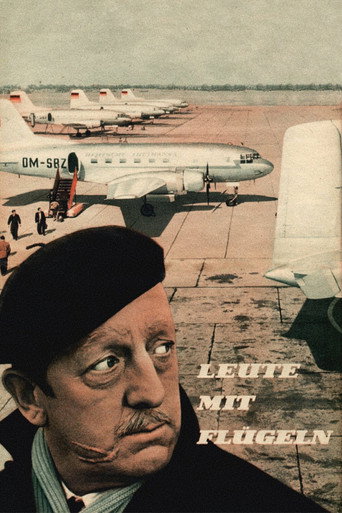
This film continues the story of radio operator Ludwig Bartuschek from “The Sailor’s Song”. Near the end of the Weimar Republic, Bartuschek (Erwin Geschonneck) is working as a mechanic in the Sperber airplane plant. Director Dehringer offers him the opportunity to train as an airplane constructor if he is willing to give up his communist beliefs under oath. Bartuschek will not allow himself to be bought and instead joins the underground resistance movement.
This episodic comedy explores love in all its varieties.