Writing
Credited by Disney as creator of the first storyboard.
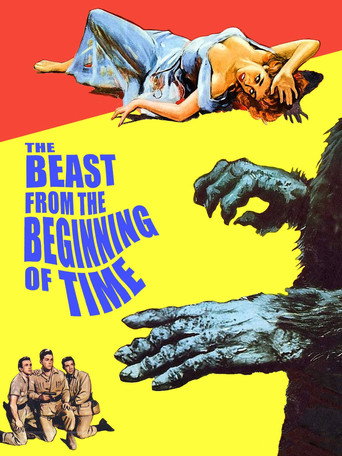
After being dug up by two archaeologists, the preserved body of a prehistoric man returns to life and wreaks havoc.
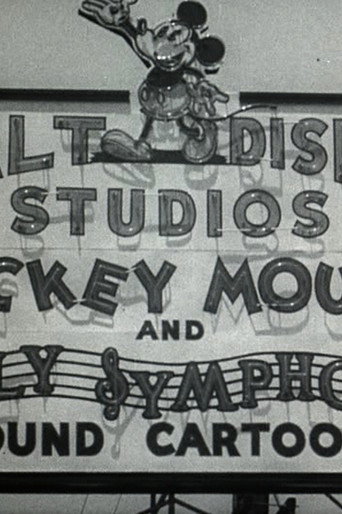
This 1937 short film was made at the request of Walt's distributor RKO Radio Pictures to show executives and theater managers who were interested in seeing how Walt Disney made his films. The footage was shot in early July of 1937 and features a plethora of notable Walt Disney Legends at work on some of Walt's most beloved films. While this film was never intended to be viewed by the general public, during the following year another documentary film was produced for general release titled How Walt Disney Cartoons Are Made that included some footage from this short.
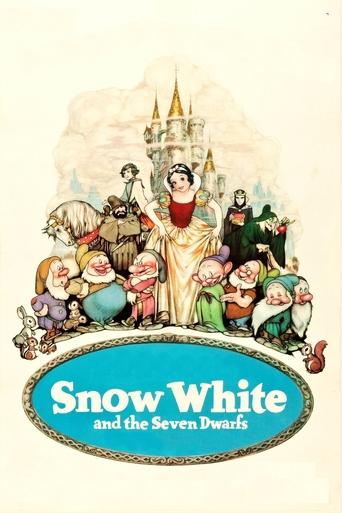
A beautiful girl, Snow White, takes refuge in the forest in the house of seven dwarfs to hide from her stepmother, the wicked Queen. The Queen is jealous because she wants to be known as "the fairest in the land," and Snow White's beauty surpasses her own.
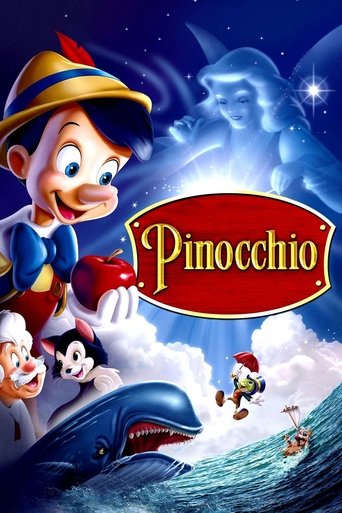
When the gentle woodcarver Geppetto builds a marionette to be his substitute son, a benevolent fairy brings the toy to life. The puppet, named Pinocchio, is not yet a human boy. He must earn the right to be real by proving that he is brave, truthful, and unselfish.
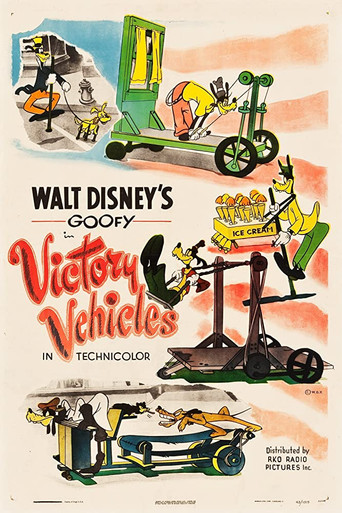
Goofy demonstrates a number of crazy vehicles.
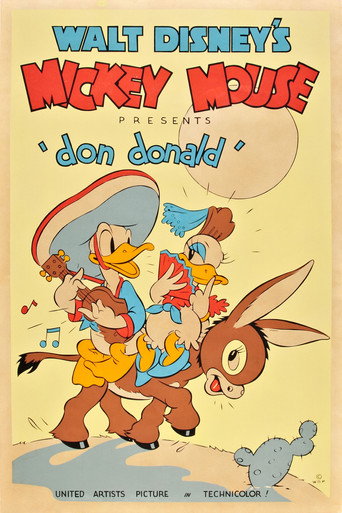
Donald is courting Daisy (called Donna, here in her first appearance) Duck in Mexico. He arrives on a burro, which doesn't get along at all well with her; she convinces him to buy a car. They head through the desert, but the car breaks down, and throws Donald out, then takes off on its own with Daisy trapped inside the rumble seat. The car hits a rock, throwing Daisy into a mud puddle, to Donald's excessive amusement. Daisy pulls a unicycle from her purse, and rides off.
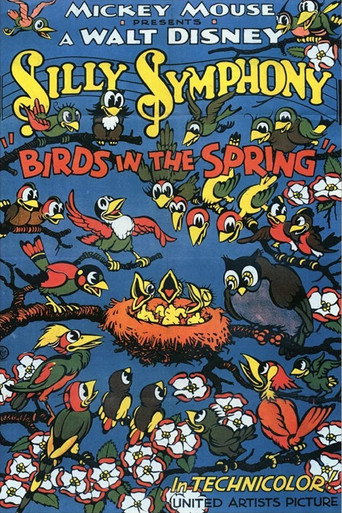
Two birds rejoice over the hatching of their three eggs; as they grow, the hatchlings are taught to sing and fly. One falls from the nest and has adventures with a rattlesnake and a beehive before finding his way home.
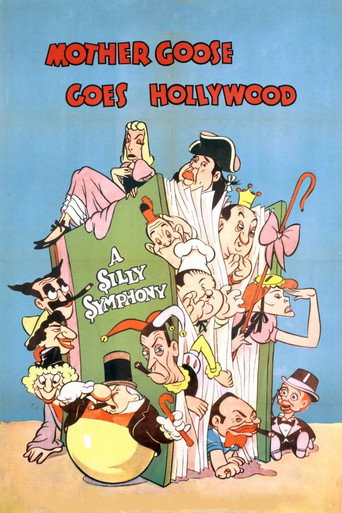
Various Mother Goose rhymes are portrayed by Hollywood stars for example, Old King Cole's fiddlers three are the Marx Brothers, and Humpty Dumpty is W.C. Fields, who falls while tormenting Charlie McCarthy; Simple Simon and the Pieman are Laurel and Hardy.
Jasper is attending the Kentucky Derby and befriends an old racehorse. During the race, Jasper plays a violin solo that inspires the horse to win the race. The finale finds the horse enjoying the fruit of his victory - a mint-julep.
This generous collection includes 46 of the 48 shorts that starred Goofy between 1939 and 1961 (but none of the great Mickey-Donald-Goofy films from the mid-'30s). The "How to Ride a Horse" sequence in The Reluctant Dragon (1941) set the pattern for many of these cartoons. An elegant narrator (artist John Ployardt) explains a sport that Goofy attempts to demonstrate. The character that animator Art Babbitt described in a 1935 lecture (quoted in the DVD bonus material) as an easygoing dimbulb gave way to an enthusiastic but spectacularly maladroit figure. One of the funniest entries in the series, "Hockey Homicide," contains several studio in-jokes: dueling stars Icebox Bertino and Fearless Ferguson, and referee Clean-Game Kinney are named for artists Al Bertino, Norm Ferguson, and director Jack Kinney.
Out of work, Woody complains about his not having any living quarters. A slick talking con man convinces him to buy some "magic beans" promising they will guarantee him a home. Sure enough, Woody climbs the resulting beanstalk and finds a huge castle at the top. Unfortunately, the castle is already occupied by a sleeping giant who Woody eventually outwits, turning his castle into a series of apartments with the giant as a bellboy and Woody as his manager.
A French TV special detailing the history of the Olympic Games through Disney's most athletic oddball, Goofy, with clips from classic shorts interspersed.