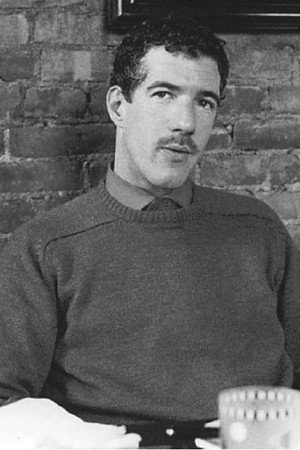
Warren Sonbert Movies, TV Shows, and Filmography
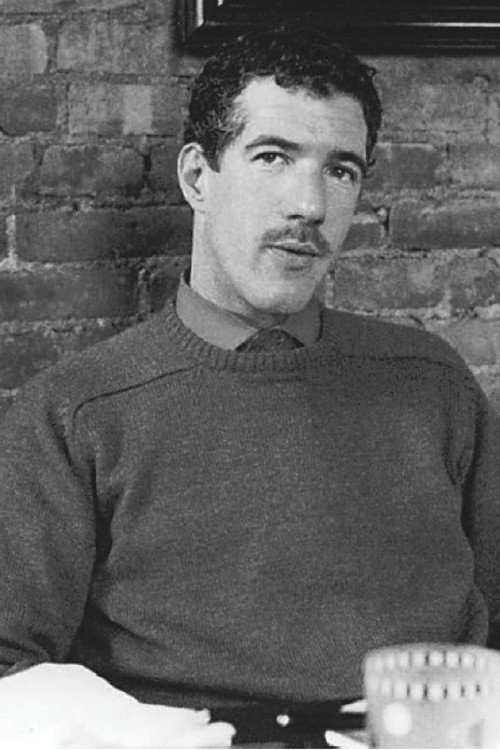
Warren Sonbert
Directing
Biography
Warren Sonbert (1947-1995), was one of the key figures of American independent filmmaking. Works spanning Sonbert's entire career are now available for rental through Canyon Cinema, beginning with AMPHETAMINE (1966), made when he was still a teenager at New York University film school, through WHIPLASH (1995/1997), completed posthumously according to the filmmaker's specific instructions. Sonbert was the subject of a major retrospective at the Guggenheim Museum in April-May 1999, guest curated by Jon Gartenberg. These new prints were struck directly from the preservation internegatives made by the Academy Film Archive from the camera original and original prints in the Estate of Warren Sonbert.
Filmography Movies
Acting
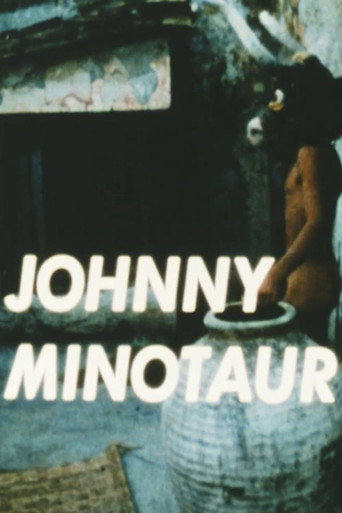
Johnny Minotaur
Johnny Minotaur is a lyrical explosion of taboos: incest, intergenerational desire, pansexuality and autoeroticism are a few of the issues Charles Henri Ford grapples with through mythopoeic, sensual imagery, recitations of his diaries and a philosophical debate featuring an impressive narration by such artists as Salvador Dali, Allen Ginsberg, Warren Sonbert and Lynne Tillman.
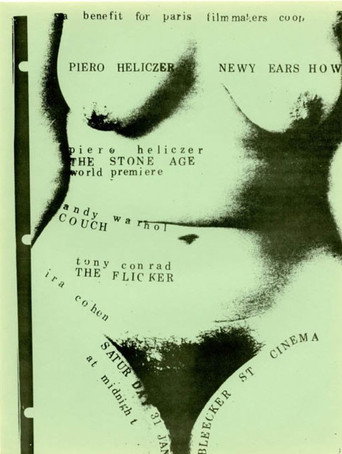
The Stone Age
"The question is, it is either going to be a stoned age or a new Stone Age" - Louis Brigante
Warren
In Warren, Scher turns the table on his former teacher and mentor, creating an intimate dialogue between friends as well as a battle of directorial wills, at a moment when Scher recognized that Sonbert was becoming ill.
Production
Carriage Trade
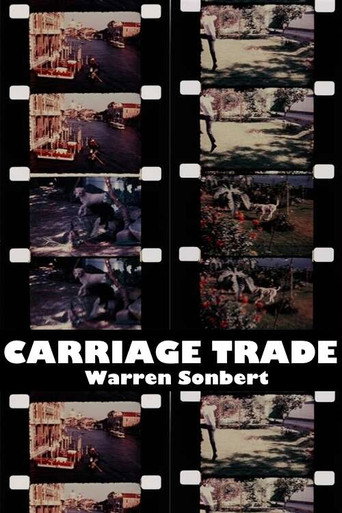
Carriage Trade was an evolving work-in-progress, and this 61-minute version is the definitive form in which Sonbert realized it, preserved intact from the camera original. With Carriage Trade, Sonbert began to challenge the theories espoused by the great Soviet filmmakers of the 1920’s; he particularly disliked the “knee-jerk’ reaction produced by Eisenstein’s montage. In both lectures and writings about his own style of editing, Sonbert described Carriage Trade as “a jig-saw puzzle of postcards to produce varied displaced effects.” This approach, according to Sonbert, ultimately affords the viewer multi-faceted readings of the connections between individual shots. Preserved by the Academy Film Archive in partnership with Estate Project for Artists with AIDS in 1998.
Amphetamine
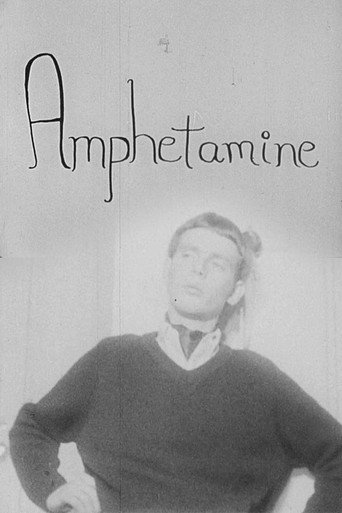
An ode to queer sex and drugs, boys shooting up and kissing. Preserved by the Academy Film Archive in 1998.
The Cup and the Lip
The Cup and the Lip is a complex and challenging picture that will stimulate adventurous filmmakers for years to come. Although its imagery is too dense, varied and fast-moving to be thoroughly parsed after one viewing, the film appears to be a regretful and perhaps sardonic essay on human frailty--and on the effort to stave off chaos by means of political and religious institutions, which carry their own dangers of social control and mental manipulation.
Friendly Witness
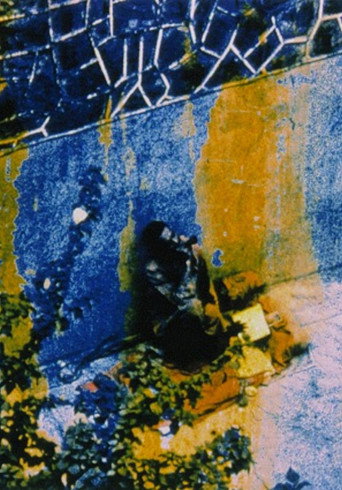
In Friendly Witness, Sonbert returned, after 20 years, to sound. In the first section of the film, he deftly edits a swirling montage of images - suggestive of loves gained and love lost--to the tunes of four rock songs. Fred Camper said, "At times the words of the songs seem to relate directly to the images we see...; at other times words and images seem to be working almost at cross-purposes or relating only ironically. Similarly, at times the image rhythm and music rhythm appear to dance together, while at others they go their separate ways." -- Jon Gartenberg. Preserved by the Academy Film Archive in partnership with Estate Project for Artists with AIDS in 1998.
Where Did Our Love Go
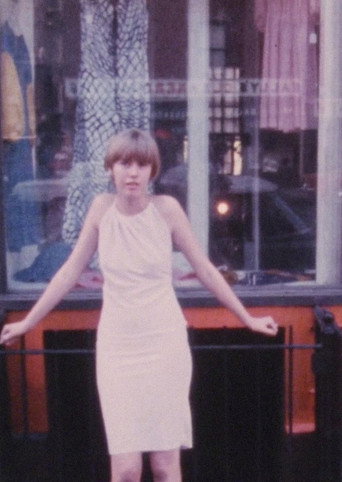
Warhol Factory days... serendipity visits, Janis and Castelli and Bellevue glances... Malanga at work ... glances at Le Mépris and North by Northwest... girl rock groups and a disco opening... a romp through the Modern. My second film. Preserved by the Academy Film Archive in partnership with Estate Project for Artists with AIDS in 1998.
Short Fuse
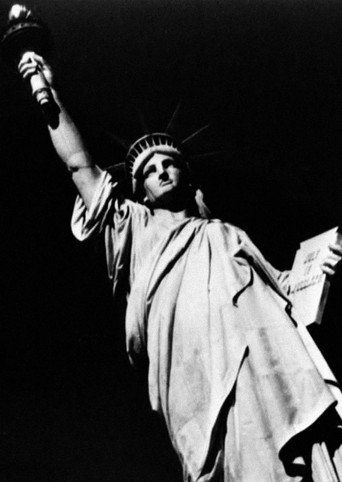
Sonbert was also a noted opera critic, and he frequently theorized about the relationship of film to other art forms, in particular, music. He analogized the notes, chords, and tone clusters of music to the progression of shots in film. The shot was the building block upon which Sonbert created the musical rhythms of his films. Sonbert published excerpts from his feature-film screenplay adaptation of Strauss' Capriccio, his favorite opera, in 1986. Short Fuse, completed six years later, can be seen as a return to Capriccio's themes, including 'Nazism and eroticism, beauty and force, detail and structure.' (William Graves) Underscoring a question raised by Capriccio--whether in opera the music or the libretto takes priority--Short Fuse is replete with a soundtrack that counterpoints the film's visuals, prompting the viewer to ask whether the music or the imagery predominates. -- Jon Gartenberg
Whiplash
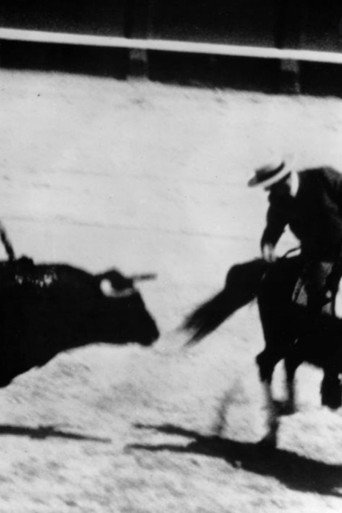
During the years preceeding his death, Sonbert channeled his energy into making Whiplash. His vision and motor skills impaired, he gave his companion, Ascension Serrano, detailed instructions about the assembly of specific shots and the music to be used as a counterpoint to the images. Before his death in 1995, he asked filmmaker Jeff Scher (a former student of Sonbert's at Bard) to complete the film. --Jon Gartenberg. Preserved by the Academy Film Archive in partnership with Estate Project for Artists with AIDS in 1996.
Divided Loyalties
Warren Sonbert described Divided Loyalties as a film 'about art vs. industry and their various crossovers.' According to film critic Amy Taubin, "There is a clear analogy between the filmmaker and the dancers, acrobats and skilled workers who make up so much of his subject matter." -- Jon Gartenberg. Preserved by the Academy Film Archive in partnership with Estate Project for Artists with AIDS in 1998.
Noblesse Oblige
The style is relatively unchanged, but the images--press conferences, news events, disasters--convey his vision of the world in a new, direct, political fashion. Featuring startling footage of the City Hall riots after Councilman Dan White received a light prison sentence for slaying San Francisco Mayor George Moscone and Supervisor Harvey Milk, Noblesse Oblige opens a new chapter on Sonbert's career. --David Ehrenstein, LA Reader. Preserved by the Academy Film Archive in partnership with Estate Project for Artists with AIDS in 1998.
A Woman's Touch
Sonbert was also a noted film critic, and his writings about feature films are among his more extraordinarily profound and insightful creations. In them, he expressed admiration for a pantheon of American directors working within the studio system, including Alfred Hitchcock, Nicholas Ray and Douglas Sirk. An indication of his enthusiasm for Hitchcock was his reputation for conducting tours for visiting friends, associates, and filmmakers of the locations around San Francisco used by Hitchcock while filming Vertigo (1958), and for signing his reviews under the pen-name Scotty Ferguson, the so-named protagonist of this renowned film. In 1986, Sonbert gave a lecture at the Pacific Film Archive, in which he spoke of the "schizophrenic split" in Marnie between "images of /en/closure and escape", representing the interplay between male domination and female independence. Sonbert paralleled these conceits in his own film, A Woman's Touch. -- Jon Gartenberg
Gallery