Art
No biography available.
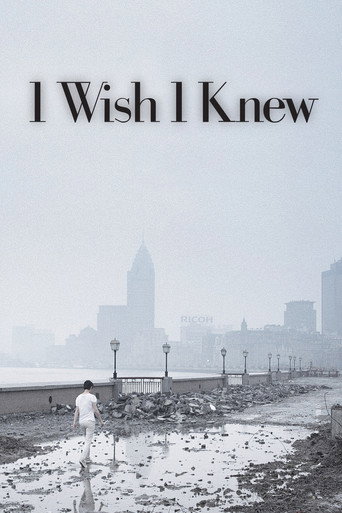
Focuses on the people, their stories and architecture spanning from the mid-1800s, when Shanghai was opened as a trading port, to the present day.
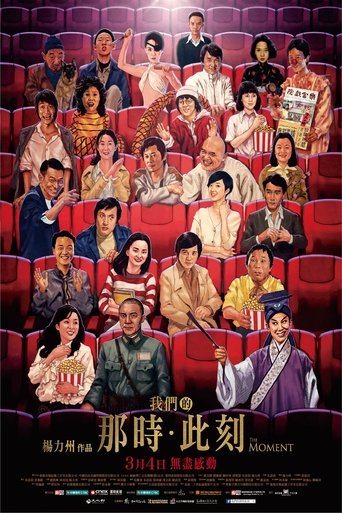
In 2013, the Golden Horse Film Festival celebrated its 50th anniversary. The ministry of Culture commissioned director Yang Li-chou to make a documentary about the history of Golden Horse. What is unique to this film is that it's not an ode to celebrities but about the role cinema plays in ordinary people's lives. It's a love letter to cinema, filmmakers and audiences.
Three young souls, with different purposes, comes to the coast and search for the meaning of their life, a journey considerably longer than any of them has taken before.
10+10 is a project initiated by the Taipei Golden Horse Film Festival to demonstrate the solidarity between Taiwanese film-makers. 20 directors are invited to make a 5-minute short film each on the theme of the “Uniqueness of Taiwan,” but allowed total freedom in all other aspects.
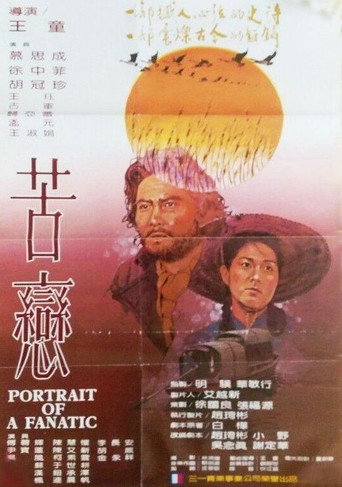
Kidnapped by a group of bandits and raped by their chief, Dan Zhu slowly develops feelings for the perpetrator. Echoing the social realism of Taiwanese new wave filmmaking, director Wang Tung revisits the wuxia genre, with the emphasis on psychology rather than action.
A girl, who was sold by her stepfather at the age of 14, has had been a prostitute for 14 years. Her family, despite enjoying a comfortable life with her help, avoids her. She thus decides to have a son of her own and succeeds by sheer determination. She is now hopeful that her son will have a life better than hers.
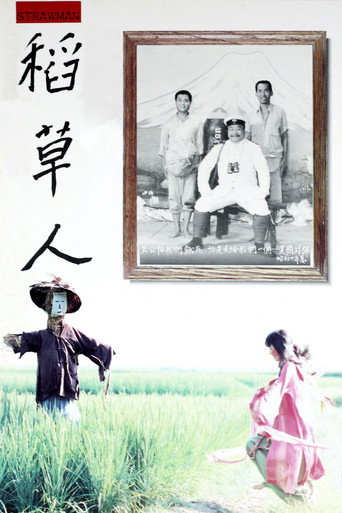
In 1940s Taiwan, during the last days of Japanese rule, an impoverished farming village is less concerned with colonial politics than with feeding their families. One day, an American bomb falls onto a field, where it lies unexploded.
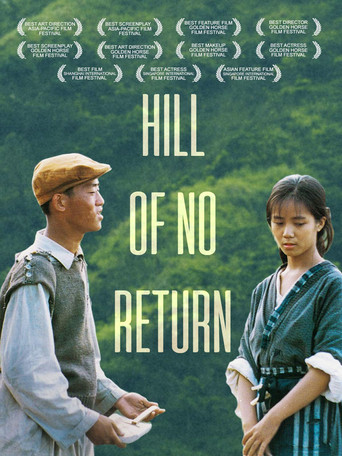
In 1920s Taiwan, Jou, a controversial woman with a tragic past, seeks to change her life after falling for a man named Che. Meanwhile, a man named Wei seeks to buy the freedom of Fumiko, a dying young woman.
In 1949 when the Communist regime was established in China, the world-famed painter Ling Chen-kuang, believing his conviction for a new-born society had come true on his motherland, returned anxiously from the U.S., whither he had fled apprehension by lawmen when cracking down on rebellious activities he had actively engaged in out of cynicism and hostility – the feelings evolved from constant haunting by the memories of his childhood miserableness – to the then existing institutions in China. Alas, to his disillusion, the land he had so deeply loved, the society of which he had expected so much, should have turned out to be the hell on earth. Why? The enigma kept obsessing and puzzling him even to his dying moment.
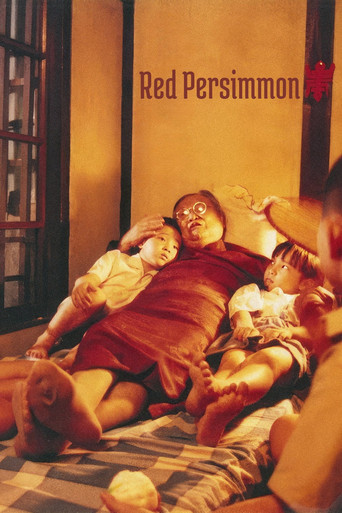
In 1949, the Communists take over mainland. The refugees and the military arrive in the Keelung Harbor in Taiwan. A father holds secret meetings with other generals in attempt to recover the lost land, his kids still play games with their grandma who enjoys the harmony in hardship.
A young man and his friend move to Taiwan, believing it to be a land of possibilities, but it's not long before they're accused of being spies.