Wang Bing Movies, TV Shows, and Filmography
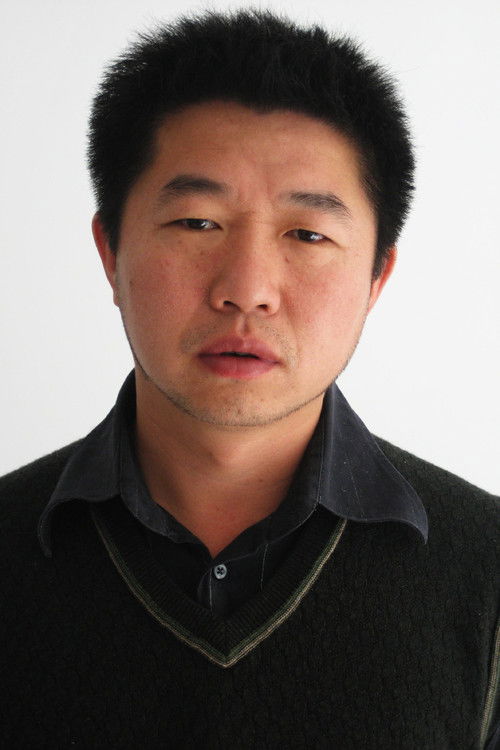
Wang Bing
Directing
Biography
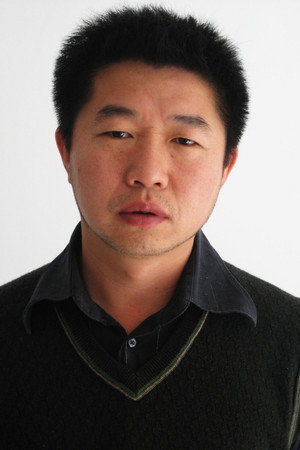
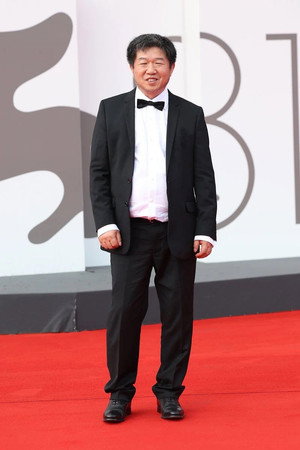
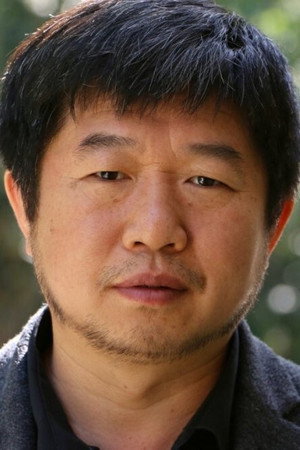
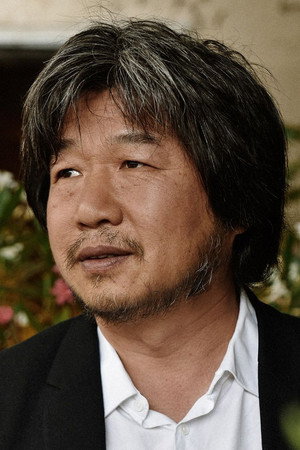
Wang Bing (Chinese: 王兵; pinyin: Wáng Bīng; born 16 November, 1967; Xi'an) is a Chinese documentary director, often referred to as one of the foremost figures in documentary film-making. Wang is the founder of his own production company, Wang Bing Studios, which produces most of his films. He began his career as an independent filmmaker in 1999. Discovered in 2003, "West of Tracks", an enormous documentary work of more than 9 hours, has garnered great success internationally. In addition to his feature documentaries, he is also active in video installation, fiction film and photography. His movie on Chinese labour camps, "The Ditch", was included in the 67th Venice Film Festival (2010) as the film sorpresa. His movie "Youth (Spring)" was selected to compete for the Palme d'Or at the 76th Cannes Film Festival (2023). Tie Xi Qu, Wang's 9 hour epic documentary of industrial China, was considered a major success. Tie Xi Qu went on to win the Grand Prix at the Marseille Festival of Documentary Film and was shown for the first time in Spain at the Punto de Vista International Documentary Film Festival. Wang's film Fengming, a Chinese Memoir, premiered at both Cannes and Toronto in 2007. Crude Oil premiered at the 2008 Rotterdam Film Festival. Since then, his films became a staple at every prestigious international film festival. 2017's Mrs. Fang was awarded the Golden Leopard at the 70th Locarno Festival. French philosopher Georges Didi-Huberman dedicated a long epilogue to Wang Bing in his 2012 book, Peuples exposés, peuples figurants. He reflects on the social fate of images thoroughly analyzing Wang's 2010 Man with No Name, writing that the director, as a humble portrait artist of a single rural worker, manages to represent the whole of China's people (as well as people from all over the World) "not through his past, nor his ideas, nor his name, nor his place in society, but through the simple gestures with which he works at his solitary life", as opposed to the common epic portraits of national identity based on military prowess, war heroes and manifest destinies.
Filmography Movies
Acting
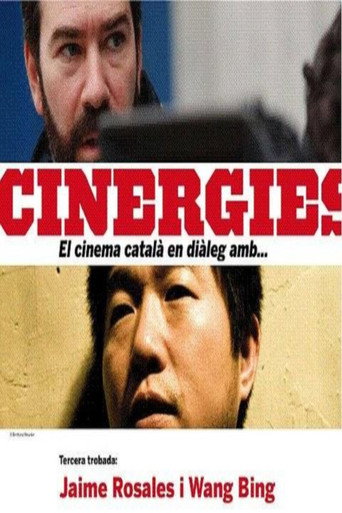
Cinematic Correspondences: Jaime Rosales - Wang Bing
This correspondence between Spanish auteur Jaime Rosales and critical chronicler of contemporary China Wang Bing is divided into three short films each consisting of documentary observations.
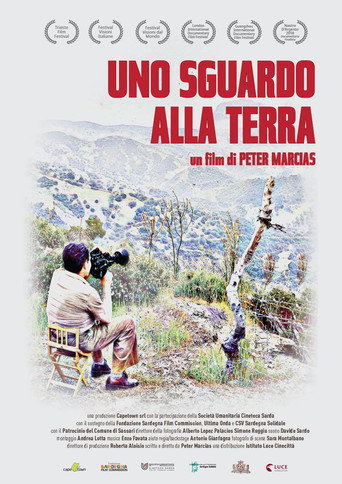
Uno sguardo alla Terra
Sardinia 2017. The starting point for the film is one of the most loved lands in the Mediterranean, using it to enter into the world of cinema. Ten international masters of cinema explain Fiorenzo Serra's images, one of the greatest post-war Italian documentary makers. His masterpiece, "The last punch of Earth", will be analyzed and debated, a film which examined Italian change and European reflection.
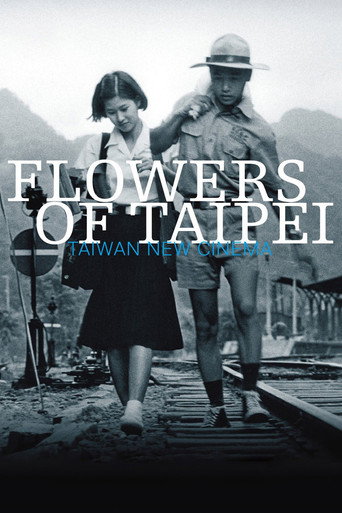
Flowers of Taipei: Taiwan New Cinema
With Taiwan remaining in the grip of martial law in 1982, a group of filmmakers from that country set out to establish a cultural identity through cinema and to share it with the world. This engaging documentary looks at the movement's legacy.
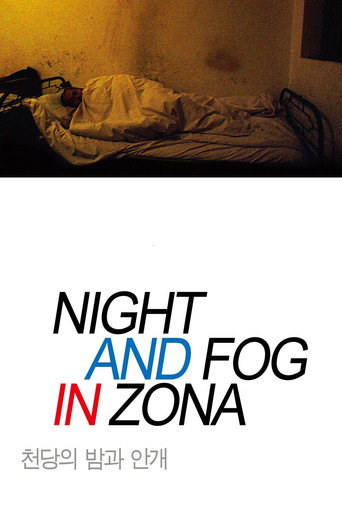
Night and Fog in Zona
Korean film critic Jeong Sung-il’s camera explores the work of Wang Bing, a Chinese director who won international fame with his film Tie Xi Qu: West of the Tracks. Jeong’s attempt to pry into Wang’s filmmaking secrets leads to the question: “What is film?”
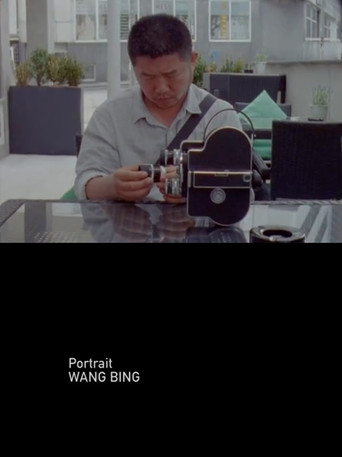
Portrait Wang Bing
A portrait of the filmmaker and documenta 14 artist Wang Bing (winner of the Locarno Festival's Golden Leopard for "Mrs. Fang"). Wang Bing shot his previous films digitally, for example "15 Hours" which consists of a single 15-hour long shot. In Kassel, he bought his first Bolex (16 mm camera). With a stopwatch, he tests how long he film can film at a time.
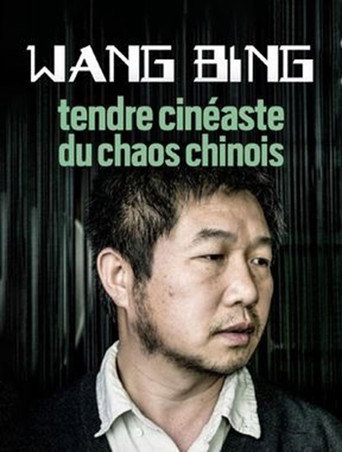
Wang Bing, Tendre Cinéaste Du Chaos Chinois
Wang Bing is one of the greatest documentary-makers alive today, and his films offer a very insightful overview of the transformations occurring in Chinese society. Here, Dominique Auvray conducts an interview that, in addition to the biographical information, focuses above all on the relationship with things unsaid: Wang Bing attempts to do justice to his theme and the testimonies he’s gathered, but he stumbles over the words, struggling to keep his emotions in check. The pain of tackling history shows through the awkward speech.
Production
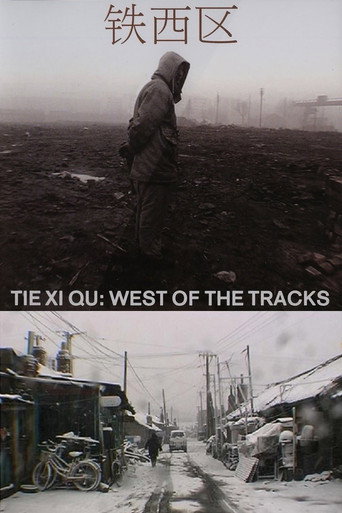
Tie Xi Qu: West of the Tracks
A detailed look at the gradual decline of Shenyang’s industrial Tiexi district, an area that was once a vibrant example of China’s socialist economy. But industry is changing, and the factories of Tiexi are closing. Director Wang Bing introduces us to some of the workers affected by the closures, and to their families.
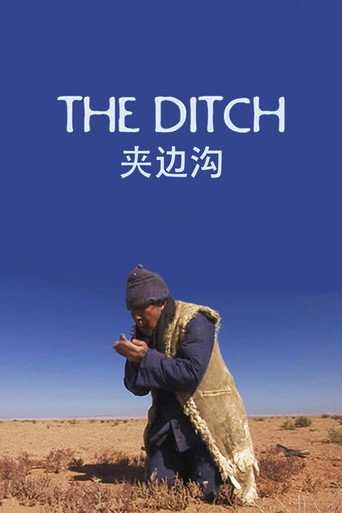
The Ditch
The film focuses on the suffering of Chinese who were imprisoned in a forced labor camp called Jiabiangou in the Gobi Desert in winter 1960 under Mao Zedong on the grounds that they were "rightist elements". The film tells of the harsh life of these men, who coped with physical exhaustion, extreme cold, starvation and death on a daily basis.
The Ditch
The film focuses on the suffering of Chinese who were imprisoned in a forced labor camp called Jiabiangou in the Gobi Desert in winter 1960 under Mao Zedong on the grounds that they were "rightist elements". The film tells of the harsh life of these men, who coped with physical exhaustion, extreme cold, starvation and death on a daily basis.
The Ditch
The film focuses on the suffering of Chinese who were imprisoned in a forced labor camp called Jiabiangou in the Gobi Desert in winter 1960 under Mao Zedong on the grounds that they were "rightist elements". The film tells of the harsh life of these men, who coped with physical exhaustion, extreme cold, starvation and death on a daily basis.
Tie Xi Qu: West of the Tracks
A detailed look at the gradual decline of Shenyang’s industrial Tiexi district, an area that was once a vibrant example of China’s socialist economy. But industry is changing, and the factories of Tiexi are closing. Director Wang Bing introduces us to some of the workers affected by the closures, and to their families.
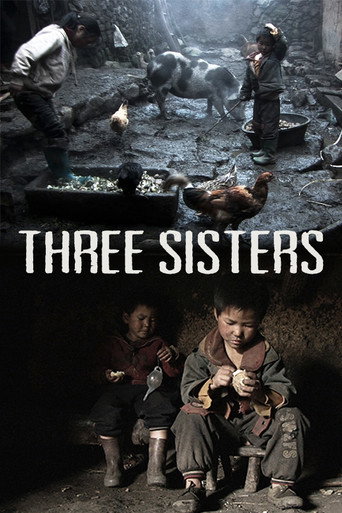
Three Sisters
The masterful new documentary from Wang Bing is an intimate, observational portrait of a peasant family who eke out a humble existence in a small village set against the stunning mountain landscapes of China's Yunnan province.
The State of the World
Six directors, six independent films, six visions on the state of the world. Each carrying a unique and personal interpretation of a specific experience, their crossover creates new space for a dynamic and radical inquisitive reflection.
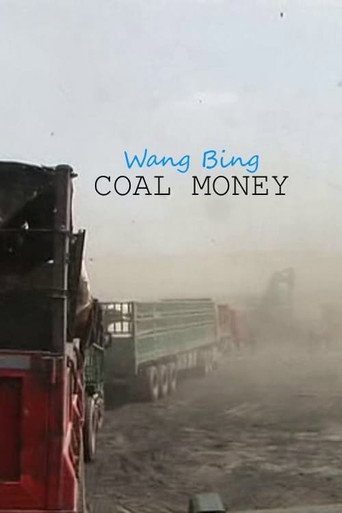
Coal Money
On the coal road linking the Shanxi mines with the large port of Tianjin, in northern China, the drivers of 100-ton trucks shuttle endlessly to and from, day and night. On the roadside: prostitutes, cops, petty racketeers, garage owners, mechanics.
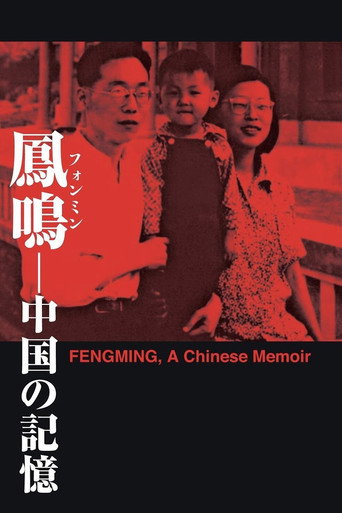
Fengming: A Chinese Memoir
The film consists almost entirely of an interview with the elderly He Fengming, recounting her experiences in post-1949 China.
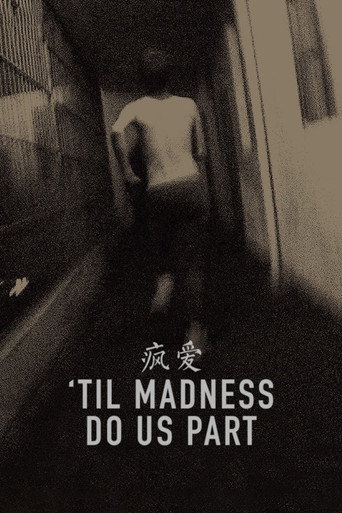
'Til Madness Do Us Part
An insight into the everyday lives of 50 inmates of a mental institution in the Chinese province of Yunnan, who are there for killing someone, committing a crime against a public official, or have a developmental disability.
Gallery