Acting
No biography available.
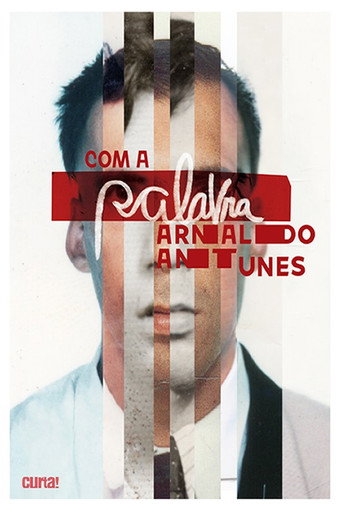
From his origins as a poet to his success as a singer and composer, Arnaldo Antunes revisits the most remarkable moments of his career.
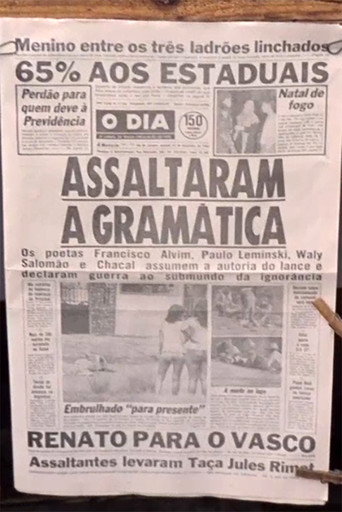
Through performatic acts and some exposition, a group of poets of that 1980's generation make great use of words, poems and rebellious acts criticizing the then current generation and its lack of admiration for the poetic works that were being created.
The life of irreverent poet Gregório de Mattos, who lived in Bahia, Brazil, in the 17th century. Nicknamed Mouth of Hell, he used his transgressive poetry against the élite of the time.
A satire on the relationship between the artist and the art market.
Documentary about Brazilian poet Waly Salomão, for whom life was always a fictional film and poetry was a way to expose any naturalistic pretention. His convictions affected many friends like Antonio Cícero, Caetano Veloso and Carlos Nader, who documented Waly's life for 15 years. But how does one make a documentary about someone who believes everything is fiction?
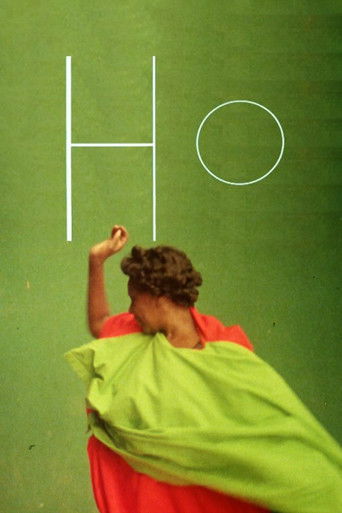
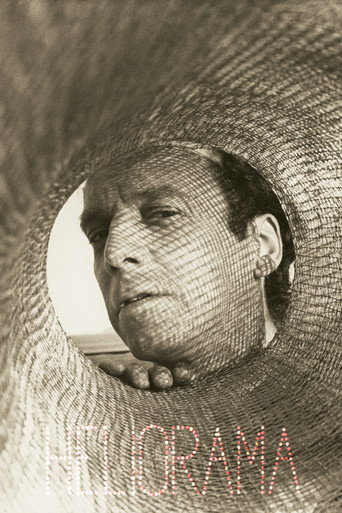
An experimental film on Brazilian avant-garde artist Hélio Oiticica and his works, especially the Parangolés.
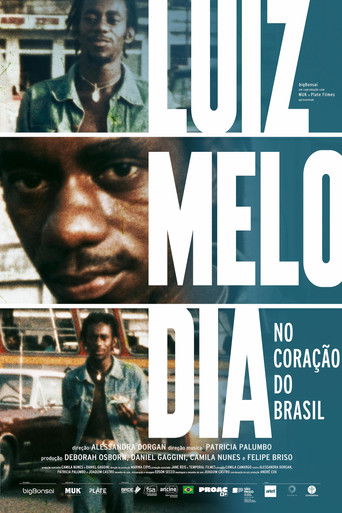
A sound and visual journey that portrays the life and work of singer and composer Luiz Melodia. The Poet of Estácio himself tells us, in the first person, his trajectory as a black boy born on the hill until his transformation into one of the greatest artists in the history of MPB. The film also features an unpublished collection made available by Jane Reis, his wife and businesswoman.
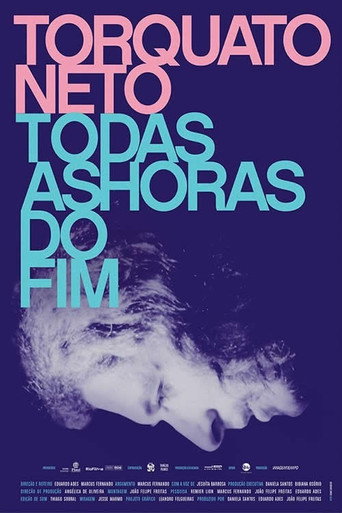
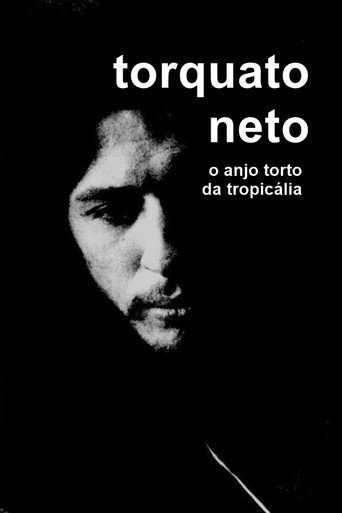
The story of Brazilian poet Torquato Neto, who lived passionately through fracturous times and worked in several fields, including music, journalism, and cinema. He was an active participant in the revolution of Tropicália and marginal art, which changed the course of Brazilian culture in the 1960s and 1970s, until he committed suicide on his 28th birthday.
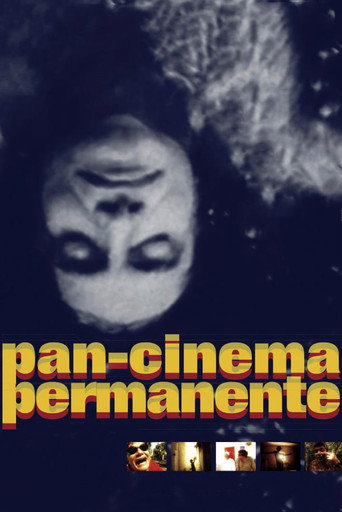
A collage of newsreels, trailers, clips and other visionary and unseen fragments of sight and sound regarding the late plastic artist Helio Oititica.
A documentary chronicling the life and works of Brazilian poet, songwriter, journalist and avant-garde filmmaker Torquato Neto, from his beginnings to his suicide at the age of 28.
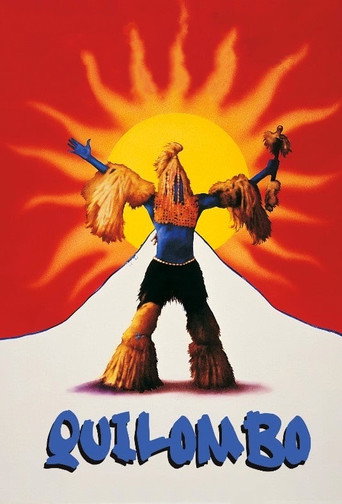
Quilombo dos Palmares was a real-life democratic society, created in Brazil in the 17th century. This incredibly elaborate (and surprisingly little-known) film traces the origins of Quilombo, which began as a community of freed slaves. The colony becomes a safe harbor for other outcasts of the world, including Indians and Jews. Ganga Zumba (Toni Tornado) becomes president of Quilombo, the first freely elected leader in the Western Hemisphere. Naturally, the ruling Portuguese want to subjugate Zumba and his followers, but the Quilombians are ready for their would-be oppressors. The end of this Brave New World is not pleasant, but the followers of Zumba and his ideals take to the hills, where they honor his memory to this day. Writer/director Carlos Diegues takes every available opportunity to compare the rise and fall of Quilombo with the state of affairs in modern-day Brazil.
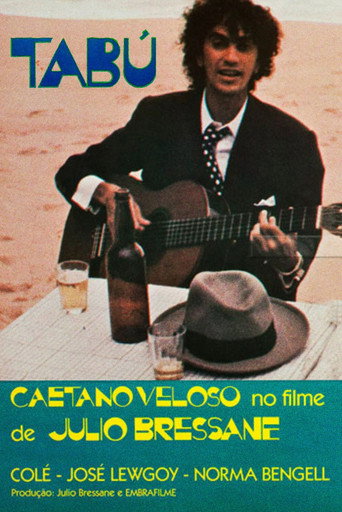
The fictional encounter in Rio de Janeiro, Brazil (in the 30s) between popular songwriter Lamartine Babo and inconoclast poet and playwright Oswald de Andrade.