Directing
Walter Lima Jr. is a Brazilian film director and screenwriter. He has directed 17 films since 1965. His 1969 film Brazil Year 2000 was entered into the 19th Berlin International Film Festival, where it won a Silver Bear.
Nineteen people with differing degrees of visual impairment – from mild nearsightedness to total blindness – discuss how they see themselves, how they see others and how they perceive the world. Unusual images, of burning trees or empty deserts, link the interviews, which vary from deep to funny to poetic.
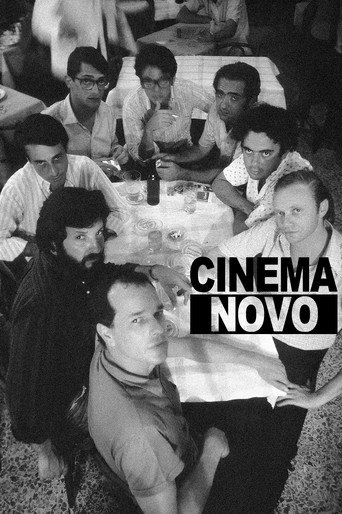
Originally produced for German TV, Improvised and Purposeful is a firsthand look at the "Cinema Novo" movement (otherwise known as the 'Brazilian New Wave'). Director Joaquim Pedro de Andrade focuses on six Cinema Novo filmmakers working in Rio in 1967.
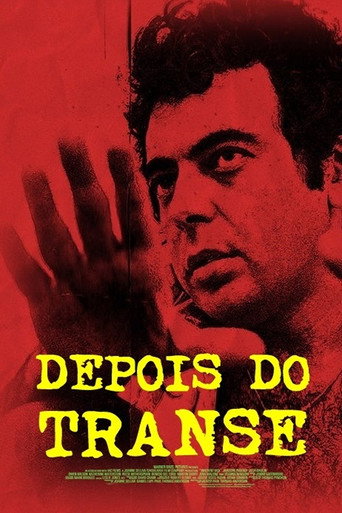
The documentary "Depois do Transe" covers the entire process of creating the masterpiece "Entranced Earth", which was released and awarded at the Cannes Film Festival in 1967. "Entranced Earth" charmed the world and won great admirers such as filmmaker Martin Scorsese and the writer Marguerite Duras, who at the time considered a "fabulous filmic opera."
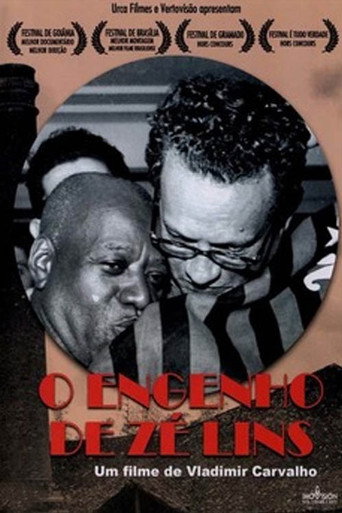
Documentary on the life and work of José Lins do Rego (1901-1957), one of Brazil's greatest 20th century literary authors, writer of celebrated novels "Menino de Engenho", "Fogo Morto", "Moleque Ricardo", "Riacho Doce" and many more.
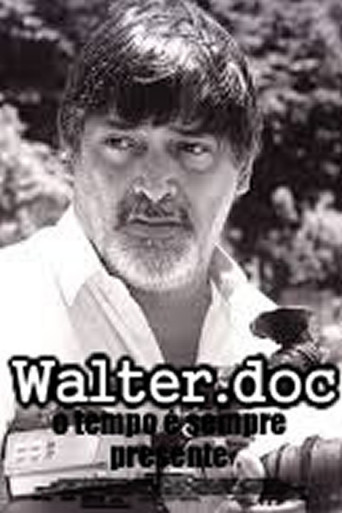
About the Hungarian photographer, an exponent of the history of the Brazilian documentary, directed by filmmaker Walter Lima Junior and sponsored by Petrobras.
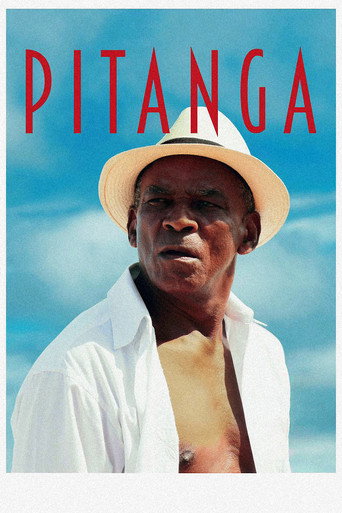
This documentary investigates the aesthetic, political and existential trajectory of emblematic Black Brazilian actor Antônio Pitanga. His career spans over five decades, and he has worked with iconic Brazilian filmmakers Glauber Rocha, Cacá Diegues and Walter Lima Jr. He was a prominent figurehead and outspoken activist during the Brazilian dictatorship, a period of unrest in Brazilian cinema. "Pitanga" deep dives into the world of Antônio and the history of Brazil. The documentary was directed by his daughter Camila Pitanga, one of widely recognised faces in Brazilian television and cinema right now. The film is also a poem, and a tender ode to fatherhood.
A deep investigation, in the way of a poetic essay, on one of the main Latin American movements in cinema, analyzed via the thoughts of its main authors, who invented, in the early 1960s, a new way of making movies in Brazil, with a political attitude, always near to people's problems, that combined art and revolution.
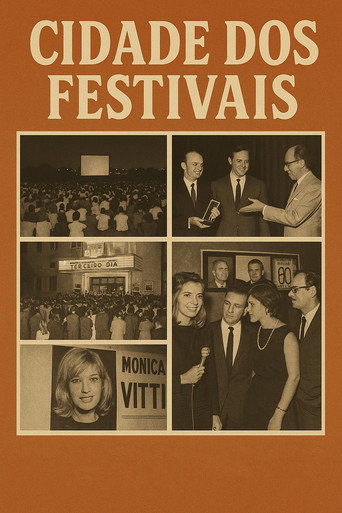
Historical film that rescues the memory of the early Brazilian film festivals through photos, films, testimonials, and posters.
Wanted for killing his boss, Manuel flees with his wife Rosa to the sertão, the barren landscape of Northern Brazil. Thrust into a primordial violent region, Manuel and Rosa come under the influence and control of a series of frightening figures.
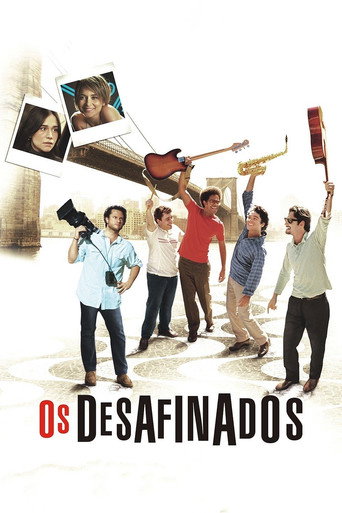
A group of friends come of age during the political turmoil that plagued Brazil in the 1960's and 70's. Together, these musicians form a band called "Os Desafinados" and become a part of the groundbreaking Brazilian musical movement called Bossa Nova
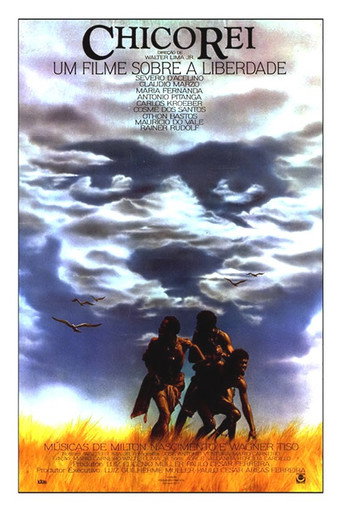
Galanga, king of Congo brought to Brazil as a slave, finds gold in Vila Rica, in the State of Minas Gerais, and buys his enfranchisement, the properties of his former owner, and his companions' freedom, becoming Chico Rei, the first black man to own lands in Brazil.
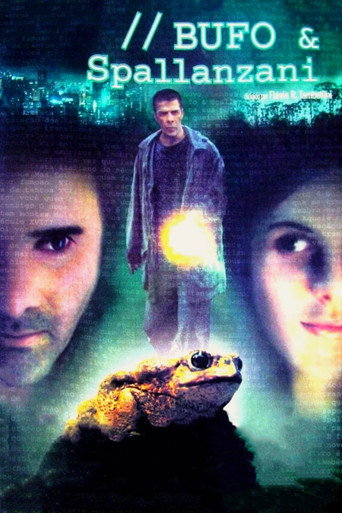
Ivan Canabrava is a writer, turned insurance ivestigator who investigates mysterious deaths involving Bufo Marinus. Bufo Marinus is a frog poison causing catalepsy in humans, simulating death, enabling grand insurance fraud and other crimes. Ten years later, now as a successful writer, similar characters possibly using Bufo Marinus reappear and create an intricate plot full of surprises.
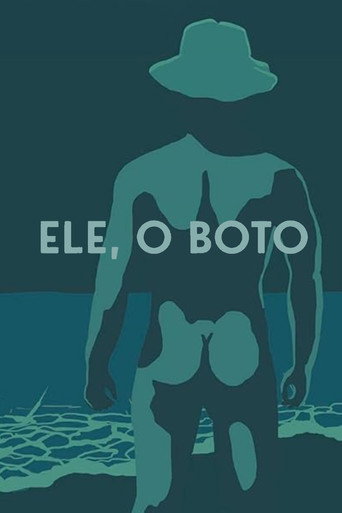
According to an amazonian legend, every month, during the full moon, a brazilian fishing village receives a mysterious guest: the Dolphin, who transforms into a human to seduce and be loved by women and hated by men. One of her conquests is the daughter of a fisherman, who has a son with the Dolphin. He constantly reappears to seduce her, and even when she marries, he continues to look for her. This provokes the ire of the husband, who wants to kill him anyway.
The story of one of Brazilian cinema's pioneers, Eduardo Abelim, from the start of his career, in Rio de Janeiro, until his filming of the 1930 Revolution. To promote his films, Abelim would even perform car stunts, give classes on the occult and offer guidance on mystical matters.
After being orphaned, a boy is raised by his grandfather and uncles, rich rural landowners, on a sugarcane plantation where he grows up, studies, learns about politics, love and disillusionment.