Production
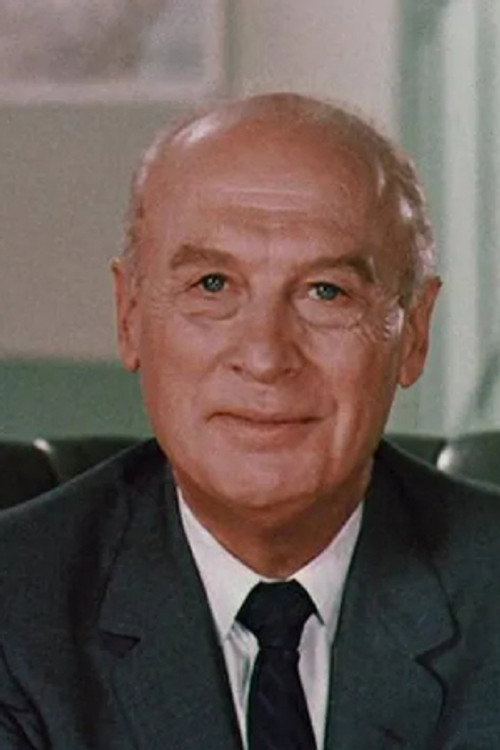
Walter Lantz (April 27, 1899 – March 22, 1994) was an American cartoonist, animator, producer and director best known for founding Walter Lantz Productions and creating Woody Woodpecker. [biography (excerpted) from Wikipedia]
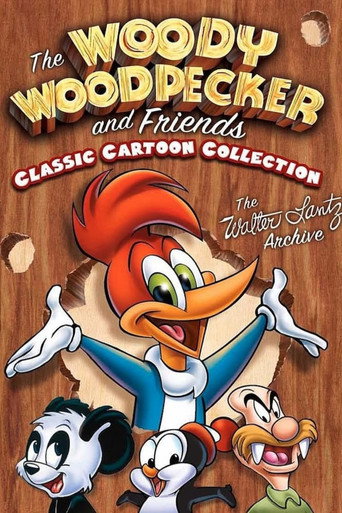
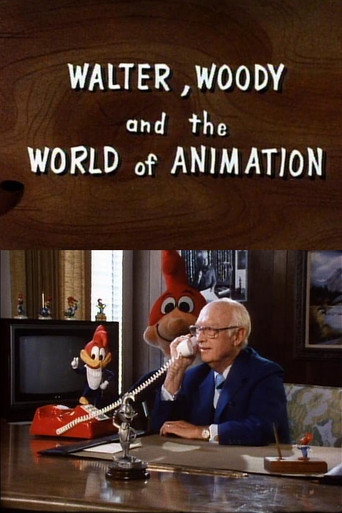
A compilation of ten classic Walter Lantz cartoons: Knock Knock (1940), The Bandmaster (1947), Ski for Two (1944), Hot Noon or 12 O'Clock for Surf (1953), The Legend of Rockabye Point (1955), Wet Blanket Policy (1948), To Catch a Woodpecker (1957), Musical Moments from Chopin (1946), Bats in the Belfry (1960), and Crazy Mixed Up Pup (1955). Also includes the interesting documentary short on Walter Lantz's career "Walter, Woody and the World of Animation". Note: This is NOT the 2007 and 2008 DVD collections titled "The Woody Woodpecker and Friends Classic Cartoon Collection" shown as the cover image.
A documentary short about the life of Walter Lantz and the creation of Woody Woodpecker
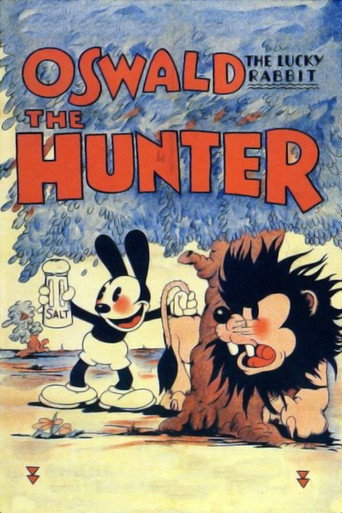
In this cartoon, Oswald wears a shirt for the first time, therefore completing his outfit. Some plot elements in the cartoon would be used again in Carnival Capers.
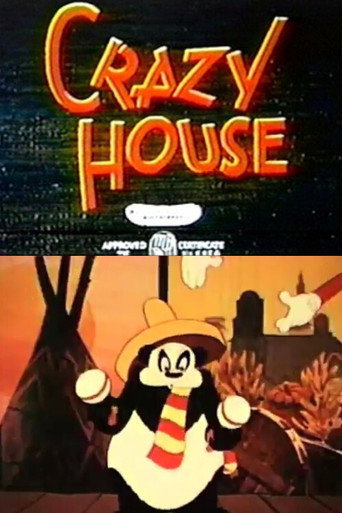
When Andy Panda and his father are stranded miles away from home by a thunderstorm, they take shelter in a nearby house. Little do they realize that the house where they're spending the night is actually a fun house, with hidden practical jokes everywhere. The house also has a noisy merry go-round, a trick drinking fountain,and a dance floor with an ever-changing background.
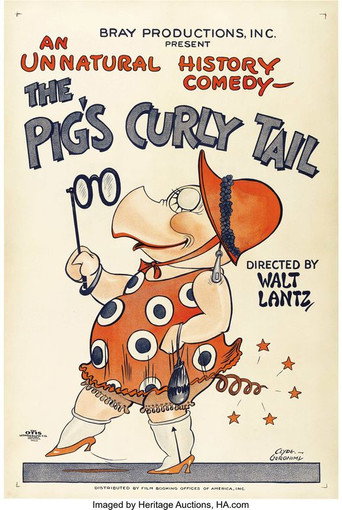
Two pigs steal the snobby Mrs. Hippo's new Ford and, while being pursued by the police, they hit a stone wall, fly into the air and land in a laundry. They get involved with a clothes-wringer, their tails are caught in the rollers, and they come out with corkscrew tails. In the live action, animator Walter Lantz, as he finishes the story, is being led away by the keeper of the local insane asylum.
An animator leaves his work room, and a storm comes up and blows his drawing paper around and overturns the inkwell. Large blotches of ink fall on the sheets of paper, and become wild African warriors and Harlem jitterbugs as the wind howls outside. Comes the dawn, the storm ends, and the inky figures return to the inkwell. The maid comes in to clean the workroom, and finds nothing by ink smudges on scattered sheets of paper.
This cartoon is a series of blackout gags, as we set sail in New York harbor, visit a series of ports of call in totally random order, and return to New York. It's narrated by Knox Manning, or a very good imitator.
When an artist's creativity is constantly interrupted by mice, he orders two cartoon characters to get ride of them or else they'll be the ones evicted. When all else fails, they use music to lead the mouse horde away.
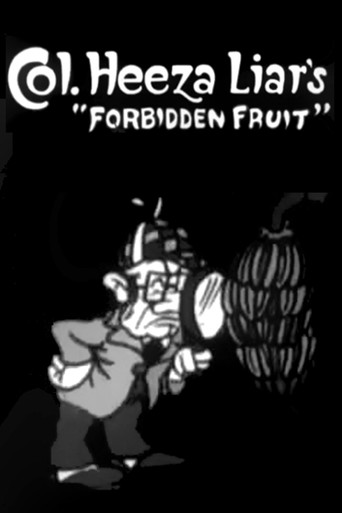
Forbidden Fruit begins with New York in the grip of a banana shortage. Residents sing (or scream) “Yes! We Have No Bananas,” the hit novelty song of 1923 (inspired by real-life banana shortages—the film also references current events by mentioning mobster Louis Cohen, arrested for murder the same year). The scene shifts to animator Walter Lantz strumming the song on his guitar, before a co-worker presents him with a banana that transmogrifies into Colonel Heeza Liar, who tells the tale of how he ended “the great banana famine in 1923.”
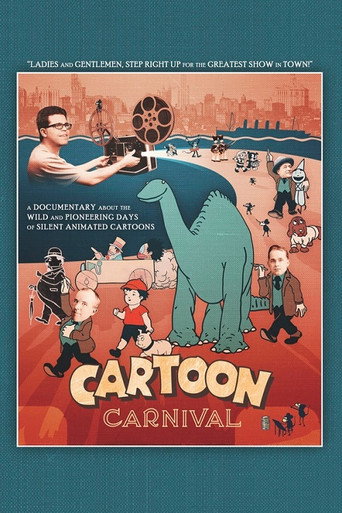
Cartoon Carnival tells the story of the pioneering early days of the animated art-form and chronicles one film preservationist's quest to rescue pre-sound cartoons from obscurity and screen them to new, appreciative audiences.
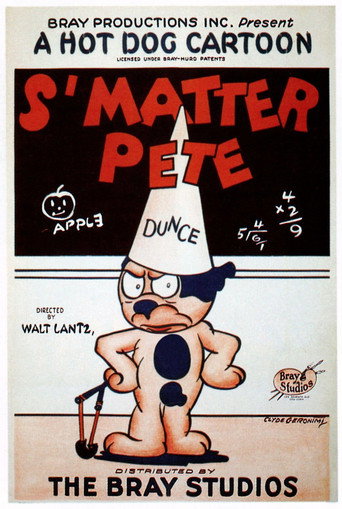
Pete finds trouble at school.
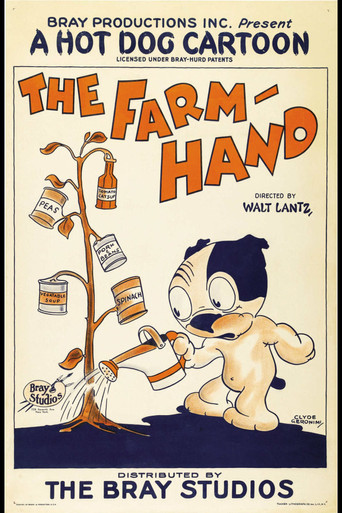
Pete on the farm.
Bobby is a young child who meets a lost dog and decides to take with him in the house to take care of him. However, his mean dad refuses Bobby to take any pets inside the house. Bobby disappears in his room and when gnomes come to life...
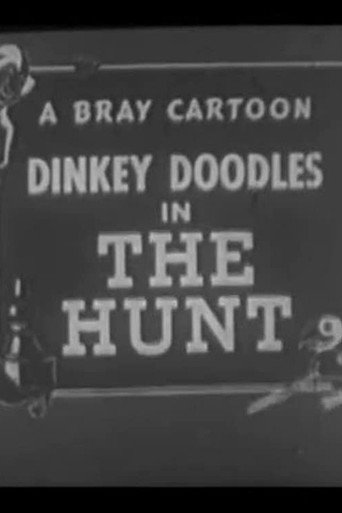
This short series was created by Walter Lantz while at his Bray Studio, before starting his own studio in 1929.