Walter Cornelis Movies, TV Shows, and Filmography
Walter Cornelis
Acting
Biography
No biography available.
Filmography Movies
Acting
Baas Gansendonck
Around 1860 in the Kempen region. Baas Gansendonck, the landlord of a village inn, feels far superior to the farmers and imagines himself to be of noble birth. His daughter Liza has always remained simple, but suddenly he finds her fiancé Karel, the brewer's son, beneath her. Gansendonck tries to marry his daughter to the baron, but after a fight to save Liza's honor, Karel ends up in prison. Meanwhile, Liza wastes away with grief.
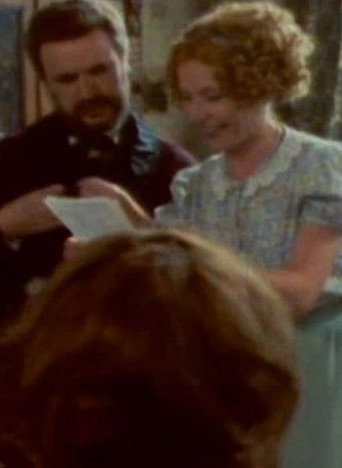
Tantes
A Flemish bourgeois family in 1920 is dominated by three wealthy aunts who constantly threaten to disinherit them. When their daughter Eggers falls in love with the gentleman farmer Flack, a bon vivant, the aunts want to quell this passion by any means necessary.
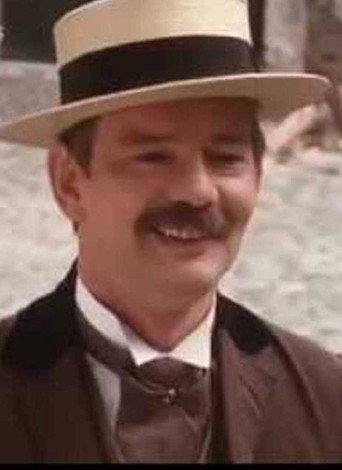
Lente
Leontientje, the Parisian niece of an East Flemish farming family, comes to stay. Aunt Zeunia is dying and has asked for her. Her visit completely disrupts life on the farm. The men fight for her attention, and the city girl is delighted by every bit of nature: 'Comme c'est beau!'. Her Parisian manners—two kisses for everyone—drive the farmer's wife up the wall: "All that fuss!" But the youngest farmer starts dreaming...
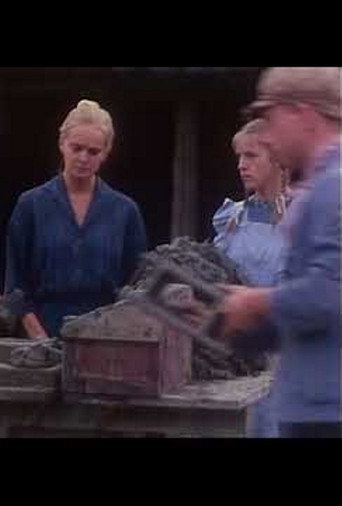
Klinkaart
The film describes the first working day of a twelve-year-old girl, shortly after the turn of the century. After a miserable childhood in a proletarian family, where she was mother to five toddlers, the sensitive girl follows in the footsteps of her parents and seventeen-year-old sister and sets off for the brickworks. The girl bravely defends herself at work, enduring the boys' bullying without tears, but when the day comes to an end, the foreman tells her that she must go to Krevelt, the boss, to be registered.
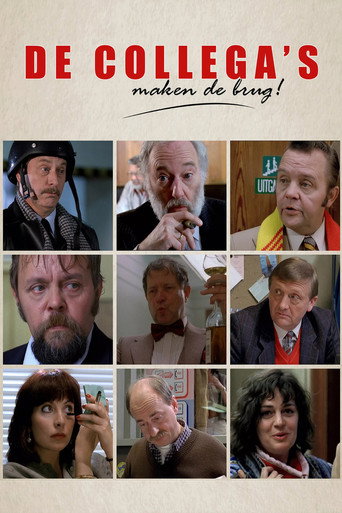
A Three-Day Weekend
The movie made after the hit series "De Kollega's" starring the same characters, but rather tragicomic. When November 11, an official holiday (Armistice), falls on a Tuesday, the public service often gets an extra day off on the preceding Monday, but only after a formal ministerial decision, and this time it gets all the way trough the hierarchy to the right office- and then isn't read, so all the colleagues turn up, only to be told they should have stayed at home. It gets worse: works in progress and clumsiness end up blocking the way out both by lift and staircase, so they are stuck on their floor, apparently without a phone, while there's nobody outside who can hear and rescue them. Forced to keep their conversation going, some secrets get unearthed, and it's not a very pretty picture they got of each-other.
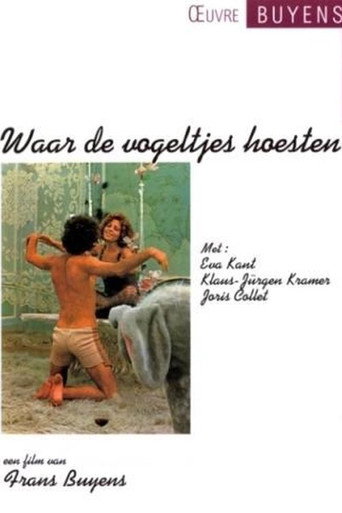
Waar de vogeltjes hoesten
'Waar de vogelstjes hoesten' is a rare, satirical fable presented as a fantasy musical. The film tells the surreal love story of a flower girl and a scarecrow who leave their rural home for the big city. Upon arrival, they quickly become corrupted by industrial capitalism and victims of their own growing greed. Featuring unique choreography by Lydia Chagoll, this experimental production serves as a powerful artistic critique. It explicitly warns against the degradation of the environment and the spiritual pollution of modern human society.